
Light Requirements
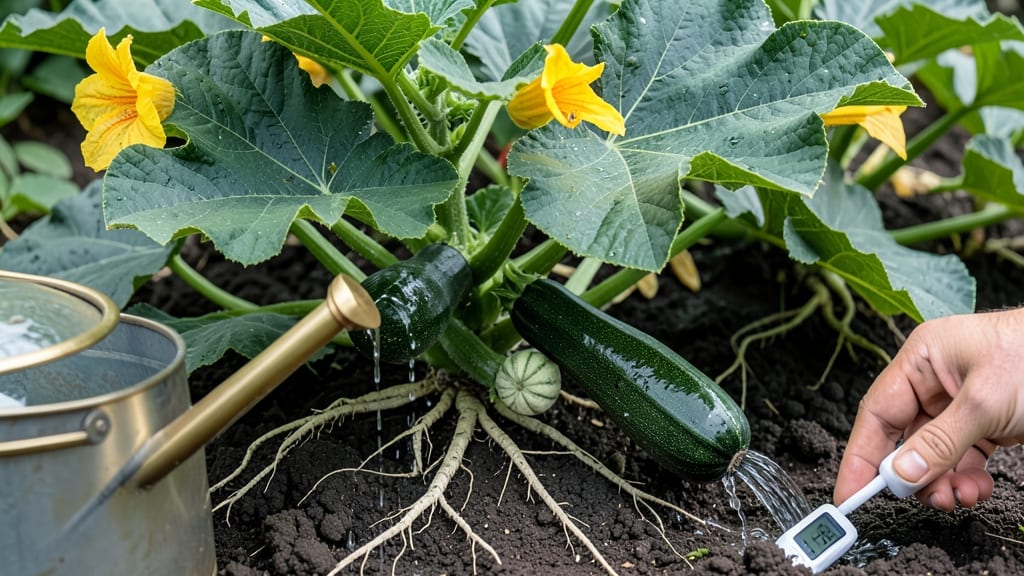
Squash plants need a lot of water to thrive, but the right amount keeps them healthy without drowning their roots.
Picture this: your squash vines sprawl across the garden 🌱, but instead of robust growth, you notice yellowing leaves or blossoms that never set fruit. That’s often a sign the watering routine is off—too much or too little. The key is consistency, not just quantity.
Most gardeners assume squash are heavy drinkers, but it’s not just about volume—it’s about keeping the soil evenly moist. Deep watering in the morning gives roots what they need without inviting fungal diseases, while shallow puddles lead to wasted water and stressed plants.
In this guide, I’ll break down exactly how much to water, when to adjust for heatwaves or rain, and the best methods to keep your squash happy—from seedlings to harvest. No guesswork, just results.


How much water do squash plants actually need?
Squash plants are notorious for their rapid growth and sprawling vines, but their water needs often confuse even experienced gardeners. While they do require consistent moisture, the key is avoiding extremes—neither soggy soil nor bone-dry conditions.
Understanding their stage-specific needs prevents common pitfalls like blossom-end rot or stunted fruit development.
Young squash seedlings, for example, need gentle hydration to prevent damping-off, while mature plants with heavy fruit loads demand deep, frequent watering. Environmental factors like temperature, humidity, and soil type further complicate the equation.
Let’s break down the science behind squash watering so you can tailor your approach to your garden’s unique conditions.
🌱 Summary Table: Squash Water Requirements by Growth Stage
| Growth Stage | Water Frequency | Depth per Watering | Key Notes |
|---|---|---|---|
| Seedlings (0-4 weeks) | Every 2-3 days | ½ inch (1.25 cm) | Keep soil moist but not soggy; avoid overhead watering |
| Vegetative Growth (4-6 weeks) | Every 3-4 days | 1-1.5 inches (2.5-3.8 cm) | Increase depth as vines spread; mulch heavily to retain moisture |
| Flowering (6-8 weeks) | Daily (hot weather) | 1.5-2 inches (3.8-5 cm) | Critical stage—consistent water prevents blossom drop |
| Fruiting (8+ weeks) | Every 2-3 days | 2 inches (5 cm) | Focus on root zone; reduce water if squash ripen quickly |
During the seedling stage, squash plants have shallow roots and need frequent light watering to prevent wilting. Aim for about ½ inch of water every 2-3 days, ensuring the top inch of soil stays evenly moist.
Overhead watering can spread disease, so use a watering can with a fine rose or drip irrigation to target the base.
As plants transition to vegetative growth (4-6 weeks), their roots deepen, allowing them to access moisture more efficiently. Here, 1-1.5 inches of water every 3-4 days becomes ideal.
The goal is to encourage vine expansion without overburdening the plant. Mulching with straw or shredded leaves helps retain soil moisture and suppresses weeds, reducing evaporation.
The flowering stage (6-8 weeks) is the most critical for watering—this is when squash plants demand daily attention in hot weather. Inconsistent moisture here leads to blossom-end rot or dropped flowers.
Water deeply to 1.5-2 inches per session, always in the morning to allow foliage to dry before nightfall, minimizing fungal risks like powdery mildew.
Once squash begin fruiting, their water needs stabilize slightly but remain high. Provide 2 inches of water every 2-3 days, focusing on the root zone rather than the leaves.
If your garden experiences high temperatures or low humidity, increase frequency to every 1-2 days. Conversely, during cool, rainy periods, reduce watering to prevent root rot.
Soil type plays a huge role in determining water needs. Sandy soils drain quickly and may require daily watering, while clay soils hold moisture longer and can go 3-4 days between waterings.
To test soil moisture, stick your finger 2 inches deep—if it feels dry, it’s time to water. For a more precise gauge, use a moisture meter or the "squeeze test" on a handful of soil.
Environmental factors like wind and sun exposure also influence watering needs. Plants in full sun with minimal shade will dry out faster than those in partial shade. Similarly, container-grown squ
Signs of overwatering vs. underwatering in squash plants
Squash plants may love consistent moisture, but too much or too little water creates distinct stress signals. As someone who’s nursed struggling squash vines back to health, I’ve learned to read between the leaves.
Yellowing foliage or drooping vines aren’t always what they seem—your squash’s water needs might be the culprit.
Overwatering and underwatering both trigger leaf discoloration, but the patterns differ dramatically. While underwatered squash show crispy edges, overwatered plants develop soggy yellowing that starts at the leaf base. The key is checking the soil moisture at the root level, not just the surface.
Do Squash Need a Lot of Water?
Pros of Adequate Watering
- ✅ Healthy vines with faster growth
- ✅ Larger fruits with better flavor
- ✅ Prevents blossom-end rot in squash
Cons of Overwatering
- ❌ Root rot from waterlogged soil
- ❌ Fungal diseases like powdery mildew
- ❌ Wasted water and nutrient loss
For underwatered squash, leaves first show crispy brown edges and eventually wilt completely. The plant may also drop flowers or produce small, misshapen fruits. Stick your finger 2 inches into the soil—if it’s dry, it’s time to water. A drip irrigation system helps maintain steady moisture without overdoing it.
When roots sit in waterlogged soil, they suffocate, turning black and mushy. The leaves develop yellow patches that spread upward, and the plant may fall over due to weak stems.
To fix this, stop watering immediately and let the soil dry out. Amending with compost improves drainage for future growth.
Always check the soil moisture before watering—consistent dampness (not sogginess) is ideal. Mulching with straw keeps moisture levels stable while preventing soil-borne diseases. I’ve found that morning watering gives plants time to dry slightly during the day, reducing fungal risks.
Remember, squash plants need about 1-2 inches of water weekly, but adjust based on heat and rainfall. The goal is consistent moisture, not drowning or dehydrating your vines. With these signs in mind, you’ll keep your squash thriving all season.