
Light Requirements
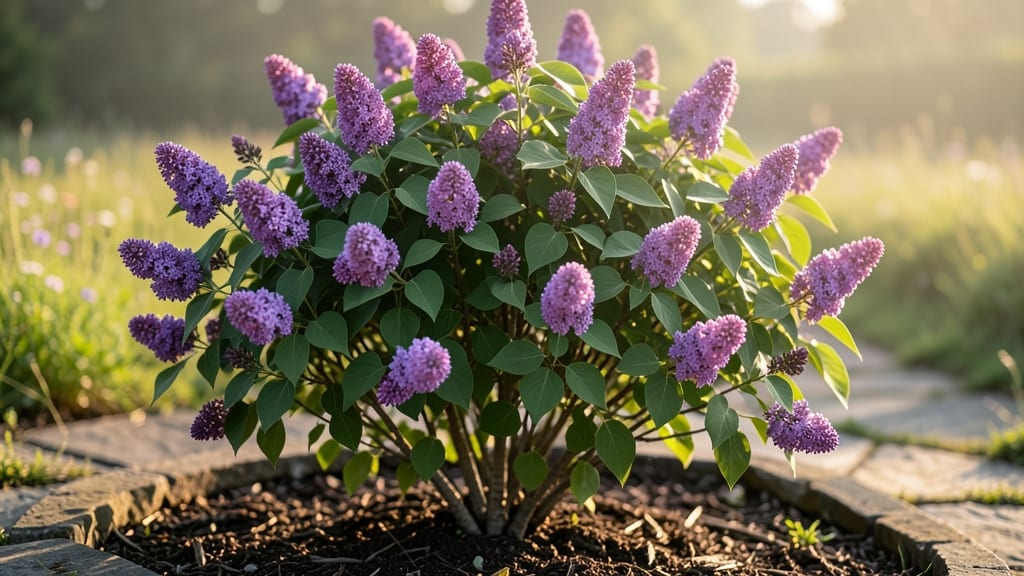
How much water do lilacs really need? (Soil test method)
Lilacs are famously low-maintenance, but their watering needs often confuse gardeners. The truth? They don’t need a lot of water once established—but they hate soggy soil. Overwatering is the #1 killer of lilacs, while underwatering stresses them into sparse blooms.
The key lies in deep, infrequent watering and checking soil moisture the right way.
Most gardeners guess their lilacs’ needs, but the finger test (inserting your finger 2-3 inches deep) gives precise answers. This method reveals whether your lilac’s roots are thirsty or drowning, saving you from both over- and underwatering.
Let’s break down the science behind it and how to adjust for your climate.
Your lilac’s root depth is the secret to perfect watering. Most roots spread 12-18 inches deep, but young lilacs need shallower checks (2-3 inches). Push your finger into the soil—if it feels dry at that depth, water deeply until moisture reaches 6-8 inches down.
Use a hose with gentle flow or a soaker hose to avoid compacting the soil.
Climate plays a huge role. In drought-prone areas, lilacs thrive on deep, infrequent watering—think of it like a desert cactus storing moisture. But in humid regions, they need more frequent light watering to prevent fungal issues.
Always water in the early morning to reduce evaporation and fungal risks.
Mulching is your lilac’s best friend. A 3-inch layer of organic mulch (like wood chips or straw) locks in moisture, regulates soil temperature, and discourages weeds. Just keep mulch 2-3 inches away from the trunk to prevent rot. Replenish mulch annually—it breaks down and loses effectiveness over time.
Signs you’re overwatering include yellowing leaves, mold on the soil, or a foul smell. If you see these, cut back immediately and let the soil dry out. Underwatering shows as wilting, crispy leaf edges, or no new growth. In this case, water deeply and consistently until the problem resolves.
Seasonal shifts matter too. During spring and fall, lilacs need moderate watering (every 7-10 days) to support blooming and root growth. In summer heat, increase frequency to every 5-7 days unless you’re in a drought zone.
Winter watering should be minimal—just enough to prevent the soil from freezing solid.
Pro tip: Use a moisture meter for accuracy, especially if you’re new to lilac care. These $10 tools take the guesswork out of soil moisture and help you water like a pro. Pair it with the finger test for a foolproof system.
Remember, lilacs are drought-tolerant once established, but they reward consistent care with vibrant blooms and lush foliage. Master the finger test, adjust for your climate, and your lilacs will thrive for decades—with minimal effort on your part. 🌸💧
Signs of overwatering vs. underwatering lilacs (with fixes)
Lilacs are surprisingly resilient, but their leaves tell all when watering goes wrong. Yellowing leaves and mushy stems scream overwatering, while crispy edges and drooping foliage signal thirst.
The key is balance—lilacs prefer moderate moisture but hate soggy roots. Let’s decode their silent SOS signals so you can fix the issue before it’s too late.
First, check the soil. Stick your finger 2-3 inches deep—if it’s damp, hold off on watering. Overwatered lilacs often develop gray mold on leaves or stems, while underwatered ones show brown, brittle leaves that crumble at the touch.
Both extremes stress the plant, but the fixes couldn’t be more different.
For overwatered lilacs, act fast. Amend the soil with perlite or sand to improve drainage, and prune any mushy or moldy stems with sterilized shears.
If the soil stays waterlogged, consider repotting into a larger container with fresh, well-draining mix. Never let them sit in saucers of water—this is a common killer.
Underwatered lilacs need a deep drink, not frequent sips.
Water until it flows from the drainage holes, then wait until the top 2 inches of soil dry out before repeating. Mulch with wood chips to lock in moisture, and ensure they get 6+ hours of sun—shady spots dry out slower but still need consistent water.
Potted lilacs are trickier—they dry out 3x faster than in-ground plants. Move them to partial shade in peak summer to slow evaporation, and use a moisture meter to avoid guesswork. If the roots circle the pot, it’s time to repot into a 1-gallon larger container with fresh soil.
Remember: Lilacs hate soggy feet but love a consistent drink. Adjust your routine based on the season—weekly in spring, biweekly in summer, and monthly in winter. With these fixes, your lilacs will reward you with fragrant blooms for decades! 🌸