
Watering
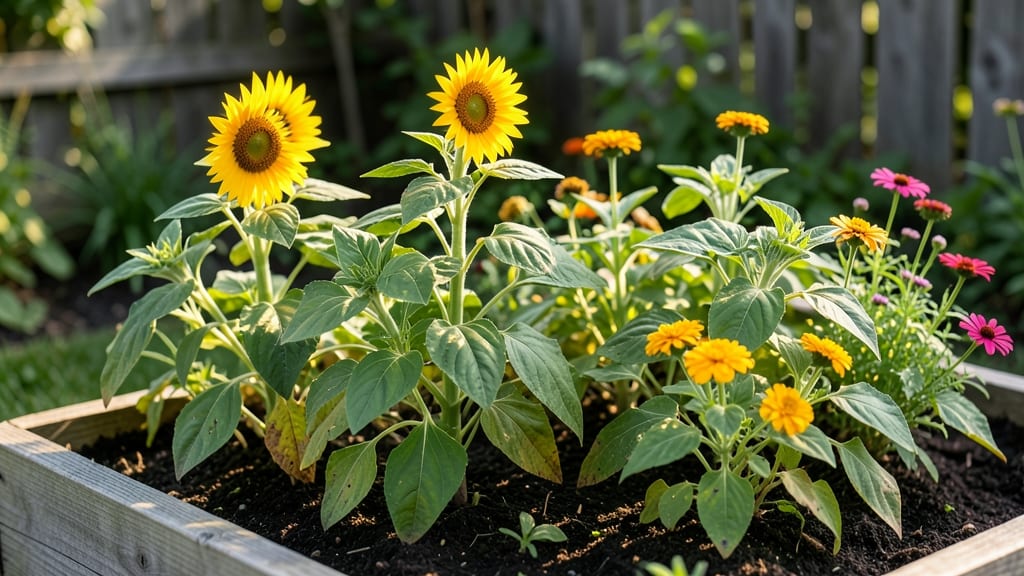
To water your garden the right way, you need to know how often it needs moisture—because overwatering and underwatering both kill plants, and the fix depends on your soil type.
Picture this: You’re out at dusk, checking your 🌱 General Garden after a scorching day, only to find your tomatoes wilting despite yesterday’s soak. Or worse, your soil is soggy, and the roots are gasping for air.
The truth? One-size-fits-all watering doesn’t exist—your garden’s thirst changes with the season, the soil, and even the plant.
This guide cuts through the guesswork by breaking down watering schedules for sandy, clay, loamy, and silt soils, so you can match your routine to what your plants truly need.
We’ll also show you how to spot the subtle signs of thirst—or drowning—and adjust on the fly, whether you’re in Zone 6a or battling a heatwave.
By the end, you’ll have a custom watering plan that keeps your garden lush without wasting a drop. Ready to master the perfect balance?
Watering frequency by soil type: a complete breakdown
If you’ve ever stared at your garden wondering, "How often do I need to water my garden?", the answer starts with your soil type. Different soils hold moisture differently—some dry out in hours, while others stay soggy for days.
Understanding your soil’s water retention is the first step to keeping your plants thriving without wasting water. Let’s dive into the specifics of sandy, clay, loamy, and silt soils and how they dictate your watering schedule.
Your soil type isn’t just about texture; it’s about plant health. For example, sandy soil drains like a sieve, while clay soil holds water like a sponge. Loamy soil, the gold standard, balances both perfectly.
Even silt soil, often overlooked, has unique traits. Misjudging your soil can lead to root rot or stunted growth. Let’s fix that with a science-backed watering plan tailored to your garden’s foundation.
Now that you’ve got the baseline watering schedule, let’s talk about how to test your soil for accuracy. Stick your finger 1-2 inches deep—if it feels dry, it’s time to water.
For sandy soil, this might mean daily checks, while clay soil can go 5-7 days between waterings. Pro tip: Use a moisture meter for precision, especially in extreme heat or drought conditions.
Seasonal shifts matter too. In summer, sandy soil may need watering twice daily, while winter could stretch clay soil waterings to every 10-14 days. Always adjust for rainfall—a good soaking can replace 2-3 days of watering.
Pay attention to your local climate; desert gardens and rainy regions have vastly different needs.
For container gardens, the rules change. Potted plants dry out faster because roots have less access to moisture. Sandy soil mixes in pots may need watering daily in summer, while clay-based mixes can last 3-4 days.
Always check the weight of the pot—a dry pot feels light, while a moist one feels heavier. This trick saves you from overwatering or underwatering.
Let’s address a common mistake: watering based on plant type alone. While tomatoes and marigolds have specific needs, your soil’s drainage is the real game-changer.
A succulent in sandy soil might thrive with weekly watering, but the same plant in clay could drown. Always prioritize soil health over plant labels.
To improve your soil’s water retention, amend it with compost or organic matter. For sandy soil, add peat moss or coconut coir to hold moisture.
For clay, mix in sand or perlite to improve drainage. Mulching with straw or wood chips helps too—it slows evaporation and keeps roots cool. These tweaks can turn problem soil into a plant paradise.
Here’s a quick soil-specific watering calculator to simplify your routine:
- Test your soil (finger or meter).
- Check the weather (adjust for rain).
- Water deeply at the root zone.
- Repeat based on your soil type’s schedule. For example, loamy soil with tomatoes in summer? Water every 3 days for 2 inches deep. Simple, right?
Remember, overwatering is just as harmful as underwatering. Yellow leaves or moldy soil? You’re likely watering too much. Crispy edges or wilting? Time to hydrate.
The goal is consistent moisture, not a swamp or a desert. With this guide, you’ll master the art of watering and watch your garden flourish—no guesswork required.
Signs your garden is overwatered or underwatered (and how to fix it)
Even with the best watering schedule, your garden can still show signs of stress from overwatering or underwatering. The key is learning to read your plants and soil—both will give you clear clues about their moisture needs.
Yellowing leaves, moldy soil, or crispy edges aren’t just random bad luck; they’re your garden’s way of communicating. Let’s decode these signals so you can adjust your watering habits before it’s too late.
First, check the soil texture—clay holds moisture longer than sandy soil, while loam strikes a perfect balance. If your soil feels soggy or smells foul, you’re likely overwatering. On the flip side, if it’s bone-dry and pulling away from the pot, your plants are thirsty.
These visual and tactile cues are your first warning signs, but don’t stop there—examine the leaves and stems for more clues.
⚠️ callout warning ⚠️
💧 Watering Warning Signs
Overwatering often goes unnoticed because soggy soil hides beneath the surface. Check for these red flags:
- Mushy stems or roots
- White mold on soil surface
- Yellow leaves with brown edges
- Pests like fungus gnats swarming soil
Underwatering is easier to spot: crispy leaf edges, wilting that doesn’t recover after watering, and dry soil cracks deeper than 1 inch.
For overwatered plants, the fix starts with holding back on water. Let the top 2-3 inches of soil dry out completely before watering again. If your soil is clay-heavy, mix in organic matter like compost to improve drainage.
For container gardens, ensure pots have drainage holes and avoid saucers that trap excess water. If mold or fungus has set in, trim affected leaves and consider a fungicide spray to prevent spread.
When your garden is underwatered, the solution is simpler: water deeply and consistently. Aim for 1-2 inches of water per week, delivered slowly at the base of plants. For sandy soil, which drains quickly, water more frequently but in shorter bursts.
Mulch around plants to lock in moisture and reduce evaporation. If your garden is newly planted, water gently but often to encourage root growth without shocking the plants.
Don’t forget to adjust for seasonal changes. In summer, you’ll need to water daily or every other day, while winter slows water needs down to once every 10-14 days. Pay attention to rainfall—a good soaking can replace several days of watering.
And if your garden is newly planted, focus on keeping the soil consistently moist (not soggy) for the first few weeks to help roots establish.
With these fixes, your garden will bounce back faster than you think. The trick is observation and adjustment—once you learn to read your plants’ signals, you’ll never guess again whether they need a drink or a break from the watering can. 🌱