
Tools
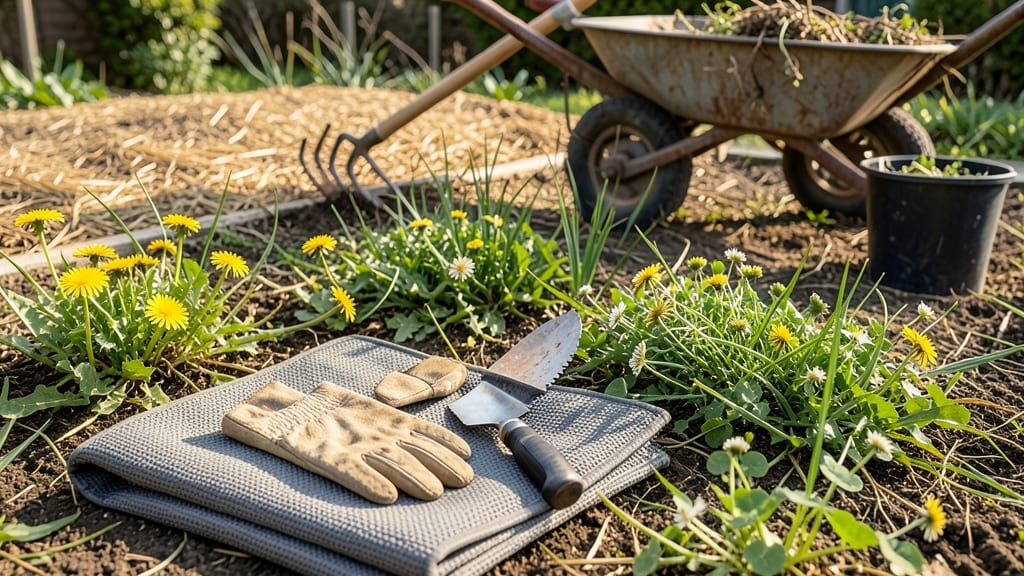
How to deweed a garden has saved my garden beds from stubborn weeds—until I discovered the right tools and techniques make this task surprisingly satisfying. 🌱 The key isn't brute force but precision: targeting roots while protecting your plants. I've pulled weeds by hand for years, but nothing beats a sharp hoe or the right weeder for efficiency—especially when dealing with deep-rooted invaders like dandelions or creeping Charlie.
Start with the basics: a sturdy garden fork for deep roots, a Japanese-style hoe for surface weeds, and a dandelion weeder for those persistent taproots. Gloves are non-negotiable—trust me, blisters make this job miserable.
The best time to attack is after rain when soil is soft, or right after watering. You'll be amazed how easily weeds slip out when the ground cooperates.
What you're really after is a clean sweep that leaves your soil healthy, not scarred. Pull weeds before they seed (that's when they spread like wildfire), and always remove the entire root—even a tiny piece regrows into a new plant.
Mulch afterward to block sunlight from sprouting seeds, and you'll spend far less time battling regrowth later.
This method works for vegetable gardens, flower beds, and even between patio stones. The secret? Consistency—10 minutes a week keeps weeds at bay better than a single marathon session. Your back will thank you, and so will your plants.
📚 In This Guide
- What you need
- Instructions
- Tips and common mistakes
- Wrapping up and next steps
What you need
- ● Hand Weeders: 2–3 stainless steel or ergonomic models (e.g., Fiskars or Corona) for precision digging.
- ● Garden Gloves: 1 pair heavy-duty, breathable gloves (e.g., Gloveworks or Workrite) to protect hands.
- ● Hoe: 1 stiff, narrow-bladed hoe (e.g., Warba or Ryobi) for slicing roots.
- ● Kneeling Pad: 1 gel-infused or foam pad for comfort during long sessions.
- ● Wheelbarrow or Bucket: 1 5-gallon container for hauling weeds and debris.
- ● Weed Torch: Propane-powered for large, overgrown areas (safety goggles required!).
- ● Vinegar Solution: 1 gallon 5–20% acetic acid (mix with water) for organic weed kill.
- ● Mulch: Straw, wood chips, or cardboard to suppress future weeds.
- ● Pruners: For trimming deep-rooted perennials like dandelions.
Step-by-Step guide to deweeding a garden with precision
Here’s how I tackle weeds—no guesswork, just clean removal that keeps your garden looking sharp.
🌱 Step 1: Choose the Right Tools for the Job
Skip the dull trowel—it’s torture. Grab a hori-hori knife for deep roots or a weeding fork for stubborn clumps. I swear by a stainless steel hand weeder for precision work; it slides between roots like butter. Pair it with a small pruning shears for any tough stems thicker than a pencil.
Wear garden gloves (the kind with reinforced palms) to avoid blisters. You’ll be pulling weeds for hours, and your hands will thank you. A bucket with soapy water keeps weeds contained—no more dropping them back into the soil.
✂️ Step 2: Work When Soil is Moist (But Not Soggy)
Timing matters. Water the garden 24 hours before weeding—this loosens roots so they pull out cleanly. Test the soil: press your finger in 1 inch deep. If it feels damp but not dripping, you’re golden. Too dry? Roots break off. Too wet? You’ll just push them deeper.
Start early in the morning or late afternoon. The sun is kinder, and weeds are easier to spot. I always work in 10-minute bursts—any longer and my back starts protesting. A kneeling pad saves your knees, especially if you’re on hard ground.
🌿 Step 3: Pull Weeds at the Root (No Half-Measures)
Grasp the weed as close to the base as possible—this is where the root system lives. For small weeds, a quick tug usually does the trick. For bigger ones, wiggle the tool side-to-side to loosen the soil around the roots. You’ll feel resistance; that’s your cue to keep going until the weed pops free.
Watch for weed runners (like creeping Charlie or crabgrass). These spread underground—cut them off at the soil line with your shears. If you leave even a 1-inch stub, it’ll regrow. I like to twist stubborn weeds while pulling to break the root cleanly.
💧 Step 4: Prevent Regrowth with Mulch or Vinegar
After clearing a section, cover bare soil immediately with 2-3 inches of mulch (straw, wood chips, or shredded leaves). This blocks sunlight, which weeds need to sprout. For stubborn patches, mix 1 part white vinegar with 1 part water in a spray bottle and target the roots directly—it kills weeds on contact without harming your plants.
Don’t skip this step. I’ve learned the hard way that a single missed weed can turn into a jungle in two weeks. For flower beds, a layer of cardboard under mulch smothers weeds even faster. Just wet it down first so it doesn’t blow away.
⏰ Step 5: Maintain a Weed-Free Routine
Weeding isn’t a one-time job. Set a weekly reminder for quick checks—10 minutes every Sunday keeps weeds from taking over. I mark my calendar with a little weed emoji so I don’t forget. Pay extra attention to high-traffic areas (walkways, garden edges) where weeds love to grow.
If a weed keeps coming back, it’s probably perennial (like dandelions). Dig deeper next time—sometimes the root goes 6 inches down. For these, a dandelion digger (a long, narrow tool) is a game-changer. Patience pays off; a few extra minutes now means fewer weeds later.
Tips & tricks for perfect garden weeding
A few little tricks can turn a tedious chore into a satisfying garden routine—here's how I make weeding efficient without the backache.
Tool Technique: When using your hori-hori knife in Step 1, angle the blade slightly away from your plants to avoid nicking them. I like to keep my wrist loose and let the knife's sharp edge do the work—push down with steady pressure rather than forcing it. For stubborn roots, a quick twist while pulling helps break them free. This precision keeps your garden plants unharmed while removing weeds completely.
Soil Prep Secret: The 24-hour watering window in Step 2 is your best friend—don't rush it! I've learned the hard way that skipping this step means roots break off, leaving fragments that regrow. Pro tip: If you're in a hurry, water just the problem areas the night before rather than your whole garden. Test soil moisture by squeezing a handful—it should hold together but not be soggy.
Root Rescue Strategy: For those pesky weed runners in Step 3, I've found that cutting them at the soil line with pruning shears works better than pulling. The key is to make the cut clean and deep—aim for at least 1 inch below the surface. For dandelions, I use a dandelion digger to reach those deep roots (sometimes 6 inches down!), but if you don't have one, a butter knife works in a pinch. Just be patient!
Mulch Application: When applying the 2-3 inches of mulch in Step 4, create a slight mound around your plants to direct water toward their roots. I like to use shredded leaves for flower beds—they break down slowly and add nutrients. For vegetable gardens, straw works best as it stays in place better. Remember to pull all weeds first—mulch won't stop what's already there!
Pro Tips for Deweed A Garden
- A few little tricks can turn a tedious chore into a satisfying garden routine—here's how I make weeding efficient without the backache.
- Tool Technique: When using your hori-hori knife in Step 1, angle the blade slightly away from your plants to avoid nicking them.
- Soil Prep Secret: The 24-hour watering window in Step 2 is your best friend—don't rush it!
Frequently asked questions
Got questions about deweeding? You’re not alone—here are answers to the most common ones to help you tackle weeds like a pro!
When is the best time of day to deweed my garden?
Early morning or late afternoon is ideal! Weeds are softer and easier to pull when the soil is moist (but not muddy) and the sun isn’t scorching. Avoid midday heat—it stresses plants and makes you sweat more. Pro tip: Water the garden lightly the night before for easier removal.
What’s the fastest way to remove weeds with deep roots?
Use a weed torch or dandelion digger for stubborn roots like dandelions or quackgrass. For smaller areas, a hula hoe or weeding knife works well. Always pull from the base—never cut above ground, or the roots will regrow. A glove saves your hands from thorns!
Can I reuse pulled weeds as compost or mulch?
Only if the weeds are seed-free (like grass clippings or young dandelions). Seedy weeds (e.g., crabgrass, pigweed) will sprout again. For mulch, chop weeds finely first to prevent regrowth. Avoid composting weeds with mature seed heads—it’s like giving them a free pass to return!
What’s the difference between a hoe and a weeding knife?
A hoe (like a stirrup or oscillating hoe) slices weeds above ground, ideal for large areas or shallow roots. A weeding knife (or dandelion tool) digs deep to extract roots—perfect for precision work in flower beds or veggie patches. Choose based on weed size and garden layout!
How often should I deweed to stay ahead of the problem?
Check your garden weekly during growing season (spring–fall). Weeds grow fast—just 10 minutes of weeding can prevent a full-blown takeover. Mulch (straw, wood chips) between plants to block sunlight and slow regrowth. Consistency is key: 1% effort now = 10% less work later!
What if weeds keep coming back no matter what I do?
Persistent weeds often mean soil compaction or poor drainage. Aerate the soil, add compost, and consider a pre-emergent herbicide (organic options like corn gluten work too). For invasive species (e.g., bindweed), repeat treatments may be needed. If all else fails, smother them with cardboard + mulch for 3–6 months.
Wrapping up and next steps
Deweeding your garden doesn’t have to be a battle—with the right tools and techniques, you can tackle stubborn roots like a pro! 🌱 Whether you’re using a weeding knife, dandelion digger, or manual weeder, precision makes all the difference.
Remember: consistency is key, and protecting your soil health ensures your garden thrives for seasons to come.
Ready to reclaim your garden? Start small—pick one section today, and soon, you’ll see the difference. Happy weeding! 🌿✨