
Pests and Diseases
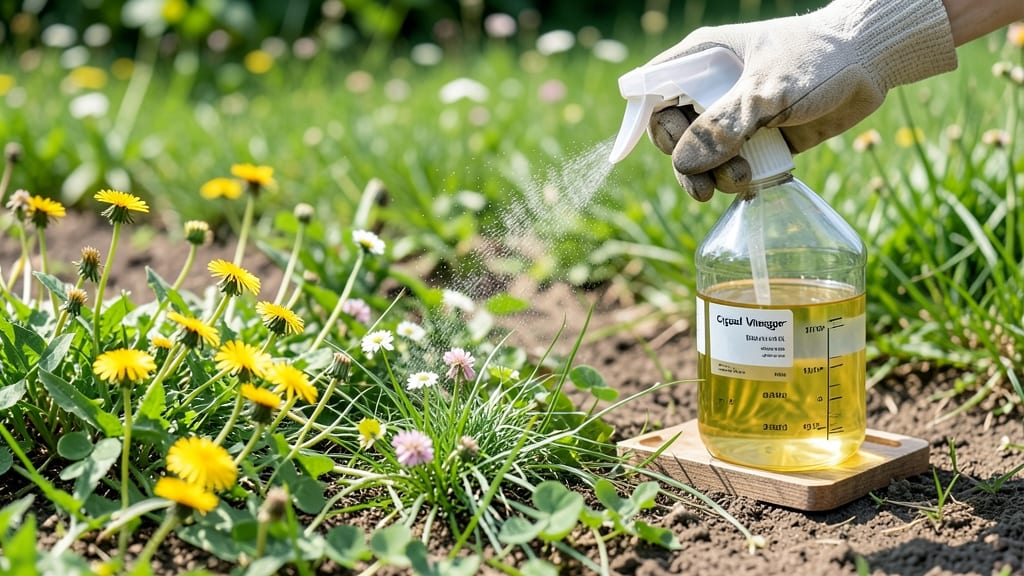
Stubborn weeds are no match for this acid-based solution. 🌱 Cider vinegar weed killer works by disrupting weed cell walls, but the key is getting the concentration right—too weak and it’s ineffective; too strong and you risk damaging nearby plants.
My first attempt with store-bought vinegar left weeds stubbornly alive, but after tweaking the ratio, I finally saw results within 24 hours on my driveway cracks and sidewalk edges.
The magic happens with a 1:1 ratio of cider vinegar to water, plus a splash of dish soap to help the solution cling to leaves. This mix targets broadleaf weeds like dandelions and chickweed while being gentle enough for sidewalks and patios.
Just spray on a sunny day when weeds are dry—avoid desirable plants entirely, as vinegar doesn’t discriminate. For tougher weeds, a 2:1 ratio works, but test it first on a small area.
You’ll notice wilting within hours, with full death in 3-7 days, depending on weed size and weather. The best part? No harsh chemicals lingering in your soil. This method is especially effective in cracked concrete, gravel beds, and between pavement slabs, where traditional herbicides can’t reach.
Just be patient—repeat applications may be needed for deep-rooted weeds like clover.
For gardens with edibles, stick to spot-treating weeds between plants, and always rinse spray equipment thoroughly. Pair this with a layer of mulch afterward to prevent regrowth.
It’s not a one-time fix, but with consistent use, your walkways and borders will stay weed-free without toxic residues. Ready to reclaim your space?
📚 In This Guide
- What you need
- Instructions
- Tips and common mistakes
- Wrapping up and next steps
What you need
- ● White vinegar (5% acidity): 1 gallon (3.8 liters) – Cider vinegar works, but white vinegar is more potent for weed killing.
- ● Cider vinegar: ½ cup (120 ml) – Adds natural acidity and enhances effectiveness.
- ● Dish soap (unscented): 1 tablespoon (15 ml) – Acts as a surfactant to help the solution stick to weeds.
- ● Water: ½ gallon (1.9 liters) – Dilutes the mixture for safer application.
- ● Spray bottle or garden sprayer: 16 oz (473 ml) or larger – For even distribution of the solution.
- ○ Plastic or metal sprayer (optional but recommended): 1 gallon capacity – For larger areas, prevents vinegar from degrading plastic over time.
- ● Protective gloves: 1 pair – Vinegar can irritate skin.
- ● Eye protection (safety goggles): 1 pair – Splashes can sting eyes.
- ● Newspaper or cardboard: As needed – To protect nearby plants or surfaces.
- ● Salt: 1 cup (240 ml) – Enhances weed-killing power but may harm soil long-term.
- ● Spray nozzle attachment: For precision targeting.
- ● Wheelbarrow or bucket: For mixing larger batches.
- ○ Marking spray (optional): To outline areas for treatment.
Step-by-step instructions for making cider vinegar weed killer
Here's how to whip up a potent, organic weed killer using pantry staples—no harsh chemicals required.
🌱 Step 1: Mix the Vinegar Solution
Combine 1 gallon of white vinegar with 1 cup of dish soap in a clean spray bottle or pump container. The vinegar's acetic acid (5-8%) breaks down weed cell walls, while the soap acts as a surfactant to help the solution cling to leaves. Shake well before each use—vinegar separates when standing.
For tough weeds like dandelions or creeping Charlie, add 2 tablespoons of salt to boost effectiveness. The salt dehydrates roots over time, but use sparingly in garden beds—it can harm surrounding plants. I like to label my spray bottle with the date and mix ratio to avoid confusion later.
💧 Step 2: Apply on a Sunny, Dry Day
Choose a bright, dry afternoon for spraying—humidity dilutes the vinegar's potency, and direct sunlight ensures the acid works faster. Focus on young weeds (they're easier to kill) and avoid spraying desirable plants, as vinegar can damage foliage within hours.
Hold the spray bottle 6-8 inches away from weeds and apply until leaves are glistening wet, not dripping. Reapply every 3-5 days for stubborn weeds, as repeated exposure breaks down their defenses. I test spray a small area first—some plants wilt faster than others.
✂️ Step 3: Monitor and Remove Dead Weeds
Weeds typically wilt within 24-48 hours and turn crispy brown in 3-7 days, depending on species and weather. Pull dead weeds by the roots to prevent reseeding—vinegar kills above-ground growth but may leave roots intact. For perennial weeds, dig up roots after foliage dies.
If weeds regrow, repeat the spray or try a vinegar-salt mix (1 gallon vinegar, 1 cup salt, 1 tbsp soap) for deeper root penetration. Avoid applying to cracked soil—vinegar can leach into groundwater and harm beneficial microbes. I water the area lightly after treatment to rinse excess acid.
☀️ Step 4: Prevent Regrowth and Protect Plants
After clearing weeds, mulch the area with 2-3 inches of straw or wood chips to block sunlight and suppress new growth. Mulch also retains moisture, reducing future weed competition. For pathways, apply boiling water to kill weeds before they sprout—it’s a quick, vinegar-free alternative.
To protect nearby plants, spray vinegar weed killer only on weeds and use a paintbrush or small brush for precise application along edges. For container gardens, place a cardboard barrier around plants before spraying to catch stray droplets. I keep a spray bottle of water handy to rinse off any accidental splashes immediately.
Tips & tricks for perfect cider vinegar weed killer
Real talk: This weed killer works best when you nail the timing and application details. Here's what nobody tells you—
Timing Secret: The 24-48 hour wilt window is critical—this is when the acetic acid in vinegar starts breaking down weed cell walls. For maximum effectiveness, apply in the early morning when weeds are dry and dew-free. Morning sunlight also helps the vinegar work faster, so aim for 8-10 AM when possible. The key is consistent moisture on the leaves without letting the vinegar dry completely between applications.
Application Technique: When you're holding that spray bottle 6-8 inches away, think "glistening wet" not "soaking." Too much liquid creates runoff that wastes product and dilutes the acid. For stubborn weeds like creeping Charlie, I like to apply the vinegar solution twice in one session—first on the leaves, then again on the stems. This ensures the acid penetrates deeper into the plant structure. A paintbrush works wonders for hard-to-reach spots along sidewalks or garden edges.
Salt Strategy: That 2 tablespoons of salt isn't just for tough weeds—it's a game-changer for perennial weeds. The salt dehydrates roots over time, but here's the catch: only use it on weeds you're ready to eradicate completely. Salt can linger in soil and harm future plantings, so I recommend using it only in areas you plan to replant within 3-4 months. For garden beds, stick to the basic vinegar-soap mix to protect your plants.
Safety First: I can't stress this enough—always test spray a small area first. Some plants wilt faster than others, and you don't want to accidentally kill your prized tomatoes or herbs. Keep that spray bottle of water nearby for immediate rinsing if you get any accidental splashes on desirable plants. And remember, this solution is acidic—wear gloves when handling and avoid spraying on windy days to prevent drift to nearby plants.
Pro Tips for Cider Vinegar Weed Killer
- Real talk: This weed killer works best when you nail the timing and application details. Here's what nobody tells you—
- Timing Secret: The 24-48 hour wilt window is critical—this is when the acetic acid in vinegar starts breaking down weed cell walls.
- Application Technique: When you're holding that spray bottle 6-8 inches away, think "glistening wet" not "soaking."
Frequently asked questions
Got questions about using cider vinegar as a weed killer? You’re not alone! Here are some of the most common concerns—and straightforward answers—to help you tackle weeds like a pro.
How long does it take for cider vinegar to kill weeds?
Patience is key! Most weeds wilt within 24–48 hours after treatment, but it may take 3–7 days for them to fully die and decompose. For deep-rooted weeds, you might need 2–3 applications spaced a week apart. Hot, sunny days speed up the process, while rain can dilute the vinegar, so apply on a dry, calm day.
Will cider vinegar kill grass too? Can I use it around plants?
Yes, cider vinegar is non-selective, meaning it’ll kill anything green it touches—including grass, flowers, and vegetables. To protect desired plants, spray only on weeds and avoid overspray. For borders, use a cardboard barrier or a spray shield. If you accidentally hit plants, rinse them with water immediately to minimize damage.
What’s the best ratio of cider vinegar to water for killing weeds?
The golden ratio is 1 part cider vinegar to 1 part water (e.g., 1 cup vinegar + 1 cup water). For tough weeds, you can use a 1:1 ratio with dish soap (1 tsp per gallon) to help the solution stick. Avoid pure vinegar—it’s too harsh and can damage soil pH over time. Always shake well before spraying for even coverage.
Can I reuse leftover cider vinegar weed killer?
Store leftover mix in a sealed spray bottle (preferably dark glass) in a cool, dry place. However, shake it well before each use—vinegar separates over time. For best results, use it within 1–2 weeks or add a splash of water to refresh it. Pro tip: Label your bottle to avoid mix-ups!
What should I do if cider vinegar doesn’t kill the weeds?
If weeds persist, try these troubleshooting steps:
- Reapply the solution every 5–7 days for stubborn weeds.
- Check for hidden roots—dig up any remaining fragments to prevent regrowth.
- For deep-rooted weeds (like dandelions), use a vinegar-soaked rag on the leaves for extra potency.
- Consider adding salt (1 tbsp per gallon) for tough cases, but use sparingly to avoid soil damage.
If all else fails, switch to a manual tool (like a weeder) or a targeted herbicide for problem areas.
Are there any safer alternatives to cider vinegar for killing weeds?
If you’re concerned about vinegar’s acidity or effectiveness, try these natural alternatives:
- Boiling water: Pour directly on weeds (best for driveways and cracks).
- Corn gluten meal: A pre-emergent that prevents weed seeds from sprouting (great for lawns).
- Salt + water spray (1 cup salt + 1 gallon water)—use cautiously to avoid harming soil.
- Dish soap + water (1 tbsp soap per gallon)—mild but effective for young weeds.
For organic gardening, manual removal (with a hoe or trowel) is the safest long-term solution.
Wrapping up and next steps
Cider vinegar weed killer is a budget-friendly, eco-conscious way to tackle stubborn weeds without harsh chemicals. By harnessing its natural acidity, you can transform your garden into a weed-free paradise—just remember consistency and safety first! 🌱
Ready to reclaim your outdoor space? Grab your supplies, follow the steps, and enjoy a greener, cleaner yard in no time! For extra tips, check out organic gardening guides to keep your garden thriving.