
Pests and Diseases
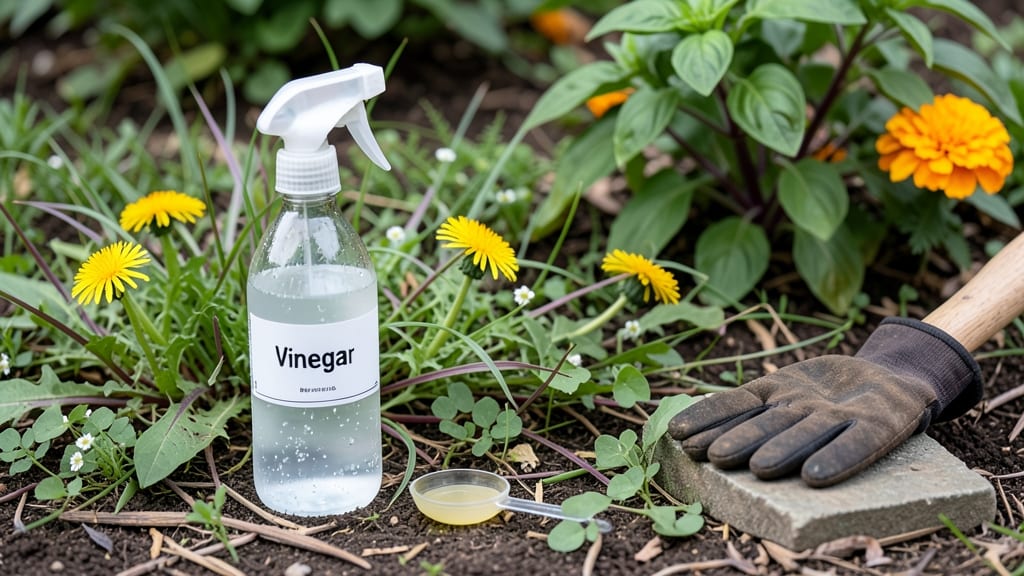
My 20% vinegar solution for weeds became my secret weapon after one summer of wrestling with creeping Charlie and crabgrass. 🌱 The stuff works fast—visible wilting within hours—and spares my knees from endless pulling sessions.
I’ve used it for three seasons now, and my lawn edges stay crisp without harsh chemicals. The magic is in the concentration and timing. Too weak, and weeds shrug it off; too strong, and you risk scorching nearby plants.
I mix 1 gallon of white vinegar with 3 cups water and 1 tablespoon dish soap (as a surfactant) for best results. Apply on a sunny day when weeds are actively growing—no rain forecast for 24 hours.
You’ll see results in 24-48 hours, but repeat applications every 3-5 days for stubborn patches. The vinegar breaks down quickly, so it won’t linger in the soil like synthetic herbicides. Just avoid desirable plants—vinegar kills everything it touches, not just weeds.
For tougher weeds like dandelions or clover, I combine it with a little salt or boiling water. It’s not a one-and-done solution, but it’s cheap, effective, and chemical-free—exactly what I need for my small urban yard.
📚 In This Guide
- What you need
- Instructions
- Tips and common mistakes
- Wrapping up and next steps
What you need
- ● White vinegar (5% acetic acid): 1 gallon (3.8 liters) – Choose plain, undiluted white vinegar for best results.
- ○ Dish soap (optional but recommended): 1 tablespoon – Helps the vinegar stick to weeds for better absorption.
- ● Water: 1 gallon (3.8 liters) – Use warm water for faster action.
- ● Spray bottle or garden sprayer: 1 (1-gallon capacity) – Look for a pump or trigger sprayer for even coverage.
- ● Protective gear: Gloves (nitrile or rubber) – Vinegar can irritate skin!
- ● Long sleeves and pants – Prevents accidental splashes.
- ● Safety goggles – Especially if spraying near eyes.
- ○ Marking tools (optional): Chalk or flags – To mark treated areas if reapplying later.
- ● Spray bottle with water – For rinsing off nearby plants.
- ● Salt: 1 cup – Adds a drying effect (use sparingly—can harm soil over time).
- ● Spray nozzle attachment: For precision targeting.
- ● Wheelbarrow or bucket: For mixing larger batches.
- ● Sunny day: Best time to apply (weeds absorb vinegar faster in heat).
Step-by-Step instructions for using vinegar to kill weeds naturally
Here's the effective method I've used to eliminate weeds without harsh chemicals.
💧 Step 1: Choose the Right Vinegar and Mix Your Solution
Use pure, full-strength white vinegar (5% acetic acid) for best results—anything less won't kill weeds effectively. I like to mix 1 gallon of vinegar with 1 cup of dish soap (like Dawn) and 1 cup of salt in a pump sprayer. The soap helps the solution cling to weed leaves, while the salt enhances the burn effect.
Shake the mixture well before each use—vinegar separates easily. This blend works best on broadleaf weeds like dandelions and chickweed, but may require multiple applications for tougher weeds like clover. Avoid using this on lawns or near desirable plants, as vinegar kills all vegetation it touches.
☀️ Step 2: Apply on a Sunny, Dry Day
Wait for a bright, sunny day when temperatures are between 70-85°F—this ensures the vinegar solution works fastest. Weeds absorb more moisture in the heat, making them more susceptible to the burn. Water the weeds 24 hours before treatment to plump them up, which helps the vinegar penetrate their cells more effectively.
Spray the solution directly onto the leaves until fully saturated, avoiding the soil. I like to spray in the late afternoon so the vinegar has time to work overnight. For stubborn weeds, you may need to reapply every 3-5 days until they turn crispy and brown.
⏰ Step 3: Monitor and Retreat as Needed
Check the treated weeds after 24-48 hours—you should see them wilting and turning brown. If some weeds survive, they may need another round of treatment. Vinegar works by dehydrating the plant, so repeated applications ensure the roots absorb enough to die completely.
This method is most effective on young, actively growing weeds. Older weeds with deep roots may take longer to kill. Once the weeds are fully brown and crispy, pull them out by the roots to prevent regrowth. Avoid treating areas where you plan to plant new vegetation for at least 2 weeks, as vinegar can linger in the soil.
🌱 Step 4: Prevent Regrowth and Maintain Your Area
After eliminating weeds, cover the area with cardboard or newspaper followed by 2-3 inches of mulch to smother any remaining weed seeds. This blocks sunlight and prevents new weeds from sprouting. I use wood chips or straw mulch because they break down slowly and keep the area weed-free for months.
For long-term weed control, water deeply and regularly to encourage grass or ground cover to outcompete weeds. If weeds return, repeat the vinegar treatment—but always spot-treat to avoid damaging nearby plants. Vinegar is a natural solution, but it’s not selective, so precision is key.
Tips & tricks for effective vinegar weed control
Here's what I've learned from years of battling weeds with vinegar—these tricks make all the difference between temporary setbacks and permanent results.
Solution Consistency: Always shake your vinegar mixture thoroughly before each use, even if you used it just yesterday. The salt and dish soap tend to separate, and you want that even burn effect on every application. I like to give it a good 30-second shake right before spraying—this ensures the salt stays suspended and the soap maintains its clinging properties.
Targeting Technique: In Step 2, focus on the leaves—not the stems or soil. Vinegar works by dehydrating the plant, so you want maximum surface area contact. Use a spray nozzle with a fine mist setting to get between leaf layers, especially on broadleaf weeds like dandelions. For tougher weeds, add a drop of dish soap to your sprayer to help the solution adhere better.
Timing is Everything: The 24-48 hour monitoring window in Step 3 is critical—this is when you'll see the most dramatic results. Check your weeds in the morning after treatment; if they're just wilting but not yet brown, give them another 24 hours before deciding whether to retreat. I've found that weeds treated in the late afternoon often show more immediate wilting by morning.
Mulch Matters: When implementing Step 4's mulching strategy, use only organic mulches like wood chips or straw. Inorganic mulches (like rocks) won't break down and actually trap weed seeds. I like to apply a 3-inch layer of wood chips after removing weeds—this creates a natural barrier that suppresses new growth for months while improving soil health over time.
Pro Tips for 20 Vinegar For Weeds
- Here's what I've learned from years of battling weeds with vinegar—these tricks make all the difference between temporary setbacks and permanent results.
- Solution Consistency: Always shake your vinegar mixture thoroughly before each use, even if you used it just yesterday.
- Targeting Technique: In Step 2, focus on the leaves—not the stems or soil.
Frequently asked questions
Got questions about using vinegar to kill weeds? You’re not alone!
Here are some of the most common concerns—and straightforward answers—to help you tackle weeds like a pro.
How quickly does vinegar kill weeds?
Vinegar works fast, but results depend on the weed type and weather. Most weeds start wilting within 24–48 hours and die within a week. Hot, sunny days speed up the process, while rain or shade may dilute its effectiveness. For stubborn weeds, reapply every 3–5 days until they’re gone.
When is the best time of day to spray vinegar?
Spray vinegar on weeds early in the morning or late afternoon to avoid evaporation from midday heat. This ensures the acetic acid penetrates the leaves effectively. Avoid windy days—vinegar can drift and harm nearby plants or surfaces. A calm, sunny day is ideal!
Will vinegar kill grass too? How do I protect my lawn?
Yes, vinegar is non-selective, so it’ll kill grass if it touches. To protect your lawn, spray only on weeds (use a spray bottle or pump for precision) and avoid overspray. For lawn edges, apply vinegar with a targeted spray nozzle or use a barrier like cardboard or newspaper to shield grass.
Can I use vinegar on vegetable gardens or around edible plants?
Use vinegar cautiously near edible plants—it can harm crops if it touches leaves or roots. Stick to areas with non-edible weeds or use it as a last resort. For veggie gardens, try organic alternatives like boiling water, corn gluten meal, or manual removal first.
What if vinegar doesn’t work the first time?
If weeds survive, they might be too mature, thick, or resistant. Try these fixes:
- Reapply vinegar every 3–5 days for 2–3 weeks.
- Increase strength (up to 20% vinegar + dish soap).
- Cut weeds first to expose fresh growth.
- Combine with salt (1 gallon vinegar + 1 cup salt + 1 tbsp dish soap) for tough weeds.
If all else fails, switch to a vinegar-free method like hand-pulling or mulching.
Pro Tip:
For best results, mix vinegar with dish soap (1 tsp per gallon)—it helps the solution stick to leaves! Also, avoid using vinegar on desirable plants (like herbs or flowers) unless you’re okay with potential damage.
Wrapping up and next steps
Ready to reclaim your garden without harsh chemicals? White vinegar is a powerful, budget-friendly ally—just mix, spray, and watch weeds wither in hours! 🌱✨ While it’s not a magic bullet (reapply as needed), this natural solution is safer for pets, kids, and the planet.
Your next step? Test a small patch of your yard first to see how your weeds react. Then, grab that vinegar and turn those pesky invaders into history! Happy gardening! 🌿