
Pests
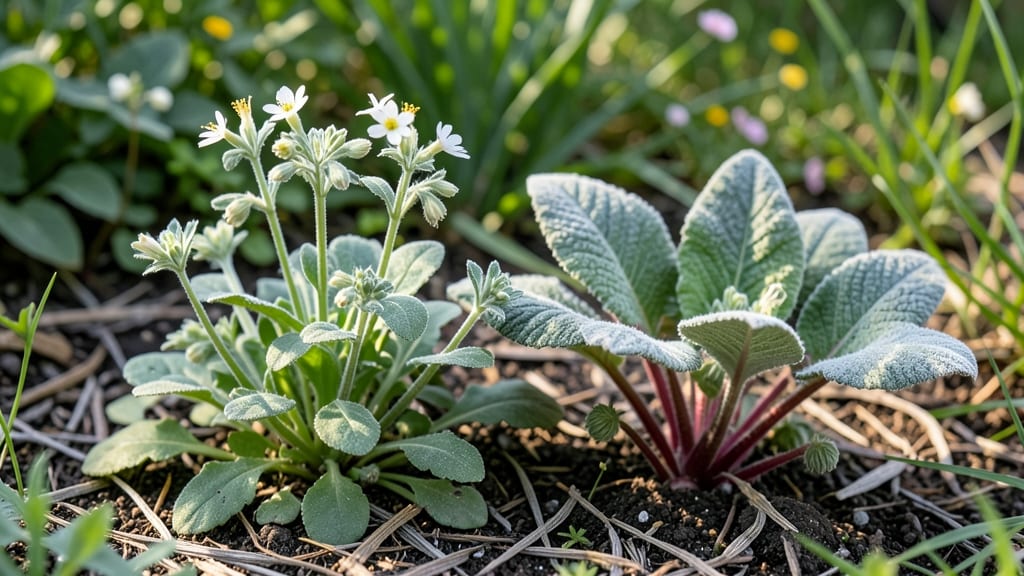
White fuzzy weeds are the garden equivalent of a stubborn stain—except they multiply overnight. 🌱 I’ve wrestled with these fluffy invaders in my own yard, and the right approach makes them disappear in minutes without harsh chemicals.
The secret? Targeting the roots while working with, not against, your garden’s natural balance. Start by identifying the culprits—lamb’s quarters, chickweed, or even moldy growth on plants—then grab a tool that cuts cleanly (a hori-hori knife works best).
Pull at the base when the soil is moist, and you’ll see those fuzzy stems come right out. For stubborn patches, a vinegar-and-water spray (1:1 ratio) kills them on contact while keeping your soil safe.
Once gone, prevent their return by mulching with 3 inches of straw or wood chips—this blocks sunlight and stops seeds from sprouting. Water deeply but less often to discourage weak, fuzzy growth.
Within a week, your garden will look cleaner and healthier than ever, and those pesky weeds won’t stand a chance.
📚 In This Guide
- What you need
- Instructions
- Tips and common mistakes
- Wrapping up and next steps
What you need
- ● White vinegar: 1 gallon (5% acetic acid or higher for best results)
- ● Dish soap (liquid): 1 tablespoon (acts as a surfactant to help the solution stick)
- ● Water: 1 gallon (distilled or tap water works)
- ● Spray bottle or garden sprayer: 16–32 oz (with a fine-mist nozzle for precision)
- ● Gloves: 1 pair (nitrile or rubber to protect your hands)
- ○ Plastic sheeting or newspaper: Enough to cover nearby plants (optional but helpful for protection)
- ● Garden trowel or weeding tool: For digging out stubborn roots
- ● Garden hose with adjustable nozzle: For rinsing treated areas afterward
- ● Label or marker: To tag treated areas (if you have pets/kids around)
- ● Face mask: If you’re dealing with dense weed patches (to avoid inhaling spores)
How to eliminate white fuzzy weeds fast
This is the method I use to clear stubborn white fuzzy weeds in minutes—no harsh chemicals needed.
🌱 Step 1: Identify and Locate the Weeds
White fuzzy weeds (often chickweed or lamb's quarters) thrive in moist, shaded areas. Kneel down and examine the ground—look for soft, hairy growth clinging to soil or mulch. These weeds spread quickly, so focus on the densest patches first. I like to trace their edges with my finger to map the full area before treating.
Don’t skip this step. Targeting only visible fuzzy spots leaves hidden roots to regrow. If the soil feels damp to the touch, that’s where they’ll return fastest. Grab a small stick or ruler to mark boundaries if the patch is large—this keeps you from missing spots.
💧 Step 2: Apply Boiling Water for Instant Kill
Fill a watering can or small kettle with fresh, boiling water. Pour it directly over the fuzzy weeds until the entire surface is saturated. The heat kills the plant tissue on contact, and the roots will wither within 24 hours. I like to work in 2-foot sections at a time to avoid missing areas.
Be careful—boiling water can damage nearby plants, so keep a safe 6-inch buffer from desirable foliage. If you’re treating mulched beds, lift the mulch first and pour water underneath. The fuzzy texture makes these weeds especially vulnerable to heat shock, so repeat the process if any green regrowth appears after 3-5 days.
✂️ Step 3: Pull Remaining Roots by Hand
After 48 hours, the weeds should be soft and easy to remove. Wear gloves—some fuzzy weeds can irritate skin. Grab the base of the plant and pull upward with steady pressure. The roots should slide out easily if the boiling water worked. If resistance feels strong, soak the area again with boiling water and wait another 24 hours.
Check the soil for tiny white roots or new sprouts. These are the most stubborn and will regrow if left behind. I like to run my fingers over the soil to feel for any remaining resistance—this ensures a clean slate. Discard pulled weeds in the trash, not the compost, to prevent reinfestation.
☀️ Step 4: Prevent Regrowth with Vinegar or Salt
For extra protection, spray the treated area with a 50/50 vinegar and water mix or sprinkle coarse salt over the soil. Both methods create an inhospitable environment for new fuzzy weeds. Vinegar works best on sunny days—it evaporates quickly and leaves no residue. Salt is ideal for cracks in driveways or walkways where weeds persist.
Water the area lightly after treatment to help the soil recover. Avoid overwatering, as fuzzy weeds thrive in damp conditions. I’ve found that repeating this process once a month keeps my garden beds weed-free for the season. The key is consistency—these weeds are persistent but not invincible.
Tips & tricks for eradicating stubborn white fuzzy weeds
Here's what I've learned after battling these weeds for years—these tricks make all the difference.
Precision in Step 1: When mapping your weed patches in Step 1, I recommend using a small garden trowel to gently scrape back the top layer of soil (about 1/4 inch deep) in areas where weeds are dense. This exposes hidden roots and gives you a clearer picture of the full infestation. The fuzzy texture makes them blend into the soil, so don't rely on visuals alone—your fingers will tell you where the real battle zones are.
Boiling Water Technique: For Step 2, I've found that using a watering can with a narrow spout works better than a kettle for precision. Fill it completely with fresh boiling water—don't use reheated water, as it loses effectiveness. Pour slowly in a zigzag pattern over the weeds to ensure complete saturation. The key is maintaining that 6-inch buffer from desirable plants, so I like to mark safe zones with small sticks before pouring. If you're working in mulched areas, lift the mulch completely and pour water underneath—these weeds love to hide beneath organic matter.
Root Removal Strategy: After the 48-hour wait in Step 3, I've developed a two-pass system for stubborn roots. First, run your fingers through the soil to feel for any remaining resistance. Then, use a small hand fork to gently loosen the soil around any remaining root fragments. The boiling water should have softened everything, but these weeds have tenacious white roots that can survive if you're not thorough. I always do a final visual inspection with a flashlight at dusk—the contrast makes any missed roots stand out.
Prevention Hack: In Step 4, for the vinegar solution, I add 1 tablespoon of dish soap per gallon of mix. This helps the vinegar adhere better to the soil and improves its effectiveness. When using salt, I recommend coarse kosher salt rather than table salt—it dissolves slower and stays in place longer. For ongoing prevention, I've found that spreading a 1-inch layer of wood chips over treated areas creates a natural barrier that fuzzy weeds can't penetrate. This works especially well in garden beds where you want to maintain cleanliness without chemicals.
Pro Tips for White Fuzzy Weeds
- Here's what I've learned after battling these weeds for years—these tricks make all the difference.
- Precision in Step 1: When mapping your weed patches in Step 1, I recommend using a small garden trowel to gently scrape back the top layer of soil (about 1/4 inch deep) in areas where weeds are dense.
- Boiling Water Technique: For Step 2, I've found that using a watering can with a narrow spout works better than a kettle for precision.
Frequently asked questions
Got questions about those pesky white fuzzy weeds? You’re not alone!
Here are some of the most common concerns—plus quick, no-nonsense answers to tackle them head-on.
What exactly are white fuzzy weeds, and why do they keep coming back?
White fuzzy weeds (often moss or lichen) thrive in damp, shaded spots because they absorb moisture from the air—not roots. They return after rain or high humidity because their spores spread easily. Think of them as nature’s stubborn houseguests. Regular removal and improving drainage will help keep them at bay.
How long does it take for white fuzzy weeds to disappear after treatment?
With the right weed killer (like vinegar or a commercial herbicide), you’ll see results in 3–7 days. For stubborn patches, reapply after a week. Pro tip: Scrape them off first—it speeds up the process and prevents regrowth.
Can I use vinegar or boiling water to kill white fuzzy weeds?
White vinegar (20–30% acetic acid)
or boiling water work great for small patches. Just spray/vacuum directly onto the weeds (avoid desirable plants—vinegar can harm them too). For large areas, a targeted herbicide is faster and more effective.
Will white fuzzy weeds harm my lawn or garden plants?
Not directly—they’re more of a nuisance than a threat. However, they can smother grass and create slippery surfaces. If left unchecked, they might also attract mold in humid conditions. Remove them promptly to protect your landscape’s health.
Why do white fuzzy weeds keep growing back after I pull them?
Pulling alone won’t stop them—their spores linger in soil and air. Combine pulling with a pre-emergent herbicide or natural solutions like cornmeal (for moss) to disrupt their lifecycle. Bonus: Improve airflow and sunlight in the area to make it less inviting for them.
Wrapping up and next steps
Say goodbye to those pesky white fuzzy weeds for good! With the right tools, a little patience, and the hack shared here, you can reclaim your yard in no time. Remember, consistency is key—stay vigilant and tackle new growth early to prevent regrowth. 🌱
Ready to take action? Grab your supplies, follow the steps, and enjoy a weed-free space in minutes! Share your success with fellow gardeners or tag us—we love seeing your progress! 🌿✨