
Plants
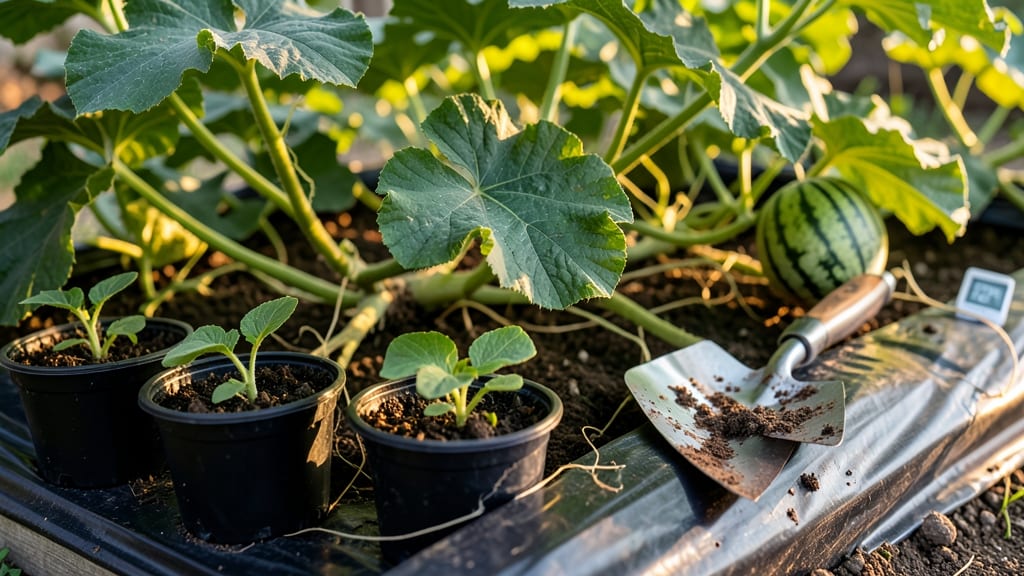
Plant watermelons in Missouri when soil temperatures hit 70°F and all frost risk has passed—typically mid-April to early June for most of the state.
Missouri’s warm summers are perfect for juicy, homegrown 🍉 watermelons—but planting at the wrong time can mean bitter disappointment instead of sweet rewards. Timing is everything when it comes to maximizing your harvest in the Show-Me State.
If you’ve ever waited months for a watermelon to ripen, only to find it underripe or stunted, you know how critical the right start is. The key is balancing frost dates with soil warmth, and Missouri’s 5b-6b zones add a layer of complexity.
In this guide, I’ll walk you through the exact frost-free timeline, soil temperature tricks to speed up growth, and how to choose varieties that thrive in Missouri’s climate—so you can go from seed to slice in just 75 days.
Missouri watermelon planting timeline: frost dates & soil temperature guide
Missouri’s USDA zones 5b-6b offer a 165-day frost-free window, making it ideal for growing heat-loving watermelons. However, timing your spring planting after the last frost and ensuring soil temperatures reach at least 70°F is critical for success.
In most regions, this means waiting until mid-April to early June, depending on your microclimate.
Missouri’s last frost date typically falls around mid-April, but first frost arrives in mid-October. This gives you a 4-5 month growing season for watermelons, but soil warmth is just as important as air temperature. Use a soil thermometer to confirm readiness before planting—cold soil will stunt seed germination.
For spring planting, aim to start seeds indoors 2-3 weeks before your last frost date (around late March) or direct-sow outdoors once soil hits 70°F (usually late April to early May).
Popular varieties like Crimson Sweet and Sugar Baby thrive in Missouri’s heat, but they need a long, warm season to mature.
🌱
Pro Tip: Use black plastic mulch to warm soil faster and speed up germination. This technique can shave 1-2 weeks off your planting timeline, giving your vines a head start.
| Planting Window | Soil Temp Requirement | Missouri Regions | Varieties to Plant |
|---|---|---|---|
| Spring (Direct Sow) | 70°F+ | Southern MO (late April) Central MO (early May) Northern MO (mid-May) |
Crimson Sweet, Sugar Baby, Charleston Gray |
| Spring (Indoor Start) | 60°F+ (for seedling) | All regions (transplant after last frost) | Black Diamond, Yellow Doll |
| Fall (Late Planting) | 70°F+ (June-July) | Southern MO only (limited success) | Early varieties (e.g., Sugar Baby) |
| Extended Season | 70°F+ with row covers | Central/Northern MO (May-June) | Semi-bush varieties (e.g., Bush Champion) |
If you’re in Southern Missouri (zones 6b-7), you can push your spring planting as early as late March if you use row covers or greenhouses to protect seedlings.
In Central Missouri (zone 6a), wait until early May to avoid late frost damage. Northern Missouri (zone 5b) gardeners should delay until mid-May to ensure safety.
For fall watermelons, Missouri’s short season limits success, but Southern regions can attempt a June-July planting for a late-summer harvest. Choose fast-maturing varieties like Sugar Baby (70 days) and be prepared to harvest before frost, which typically arrives in mid-October.
Most gardeners in Central/Northern Missouri skip fall planting due to the short growing window.
💧
After planting, consistent moisture is key—watermelons need 1-2 inches of water weekly, especially during flowering and fruiting. Use drip irrigation to keep foliage dry and prevent powdery mildew, a common issue in Missouri’s humid summers. Mulch around plants to retain soil moisture and regulate temperature.
Missouri’s microclimates can vary dramatically, even within a 50-mile radius. Urban areas like St. Louis often experience earlier last frosts than rural Southeast Missouri. Check your local Cooperative Extension Service for hyper-local frost data—this can shift your planting window by 1-2 weeks.
For example, Springfield may be safe to plant by late April, while Columbia might need to wait until early May.
🌡️
Always monitor soil temperature with a thermometer—even if air temps feel warm, cold soil will delay germination. If your soil isn’t ready, consider starter pots or warm-season mulches like black plastic to create a microclimate that mimics summer conditions.
This trick can help you plant 2-3 weeks earlier in cooler years.
By following Missouri’s frost-free timeline and soil temperature guidelines, you’ll set your watermelon crop up for maximum yield and sweetness. Whether you’re growing Crimson Sweet in the Bootheel or Sugar Baby in the Ozarks, timing is your secret weapon for a bountiful harvest. Start planning now—your <
How to extend Missouri’s watermelon growing season for bigger harvests
Missouri’s short growing season can feel like a race against time for watermelon lovers—but with the right strategies, you can stretch your harvest from July into September. The key lies in warming the soil faster, protecting young plants, and staggering plantings to keep fruit production going strong.
I’ve learned that even a 2-week extension can mean the difference between a handful of melons and a bountiful spread.
One of my favorite tricks is starting seeds indoors 4-6 weeks before the last frost date. This gives seedlings a head start in warmth and light, so they’re ready to hit the garden as soon as the soil hits 70°F or warmer.
For Missouri’s USDA zones 5b-6b, that means seed-starting in early March for a mid-April transplant. Don’t skip this step—it’s how I’ve doubled my harvest in years with cool springs.
Step-by-Step Guide to Extending Your Watermelon Season
- 1 Start seeds indoors 4-6 weeks before last frost (early March in Missouri). Use biodegradable pots to avoid transplant shock.
- 2 Use black plastic mulch to warm soil by 10-15°F. Lay it down 2-3 weeks before planting to maximize heat absorption.
- 3 Protect seedlings with floating row covers or cloches if late frosts threaten. Remove covers when plants are 4-6 inches tall.
- 4 Stagger plantings every 2 weeks from mid-April to early June. This ensures a continuous harvest instead of one big rush.
- 5 Choose heat-tolerant varieties like Crimson Sweet or Sugar Baby. These thrive in Missouri’s summer heat and mature faster than standard types.
Black plastic mulch is a game-changer for Missouri gardeners. It doesn’t just warm the soil—it also suppresses weeds and keeps moisture locked in. I’ve seen soil temperatures rise from 55°F to 85°F in just a few days with this method.
Plus, it’s reusable for years, making it a cost-effective investment. For extra insurance, add a layer of straw mulch after planting to retain moisture and regulate soil temperature.
Don’t overlook the power of staggered plantings. By sowing seeds every 2 weeks from April through June, you create a rolling harvest that lasts well into September. This works especially well for varieties like Charleston Gray, which matures in 80-85 days.
The first batch gives you early melons, while later plantings keep the season going as summer fades into fall.
For late-season protection, I swear by row covers or even a simple cold frame over young plants. A sudden 32°F frost in May can wipe out unprotected seedlings, but a lightweight cover can raise temperatures by 5-10°F.
Just remember to remove covers during the day to prevent overheating—watermelons need plenty of sunlight to thrive.
Finally, pay attention to your soil temperature. Use a soil thermometer to confirm it’s above 70°F before planting. If it’s cooler, wait a few more days or use heat mats for containers.
The right timing ensures strong root development and sets your plants up for a sweeter, more abundant harvest. With these strategies, you’ll be enjoying homegrown watermelons long after your neighbors have given up for the year.