
Plants
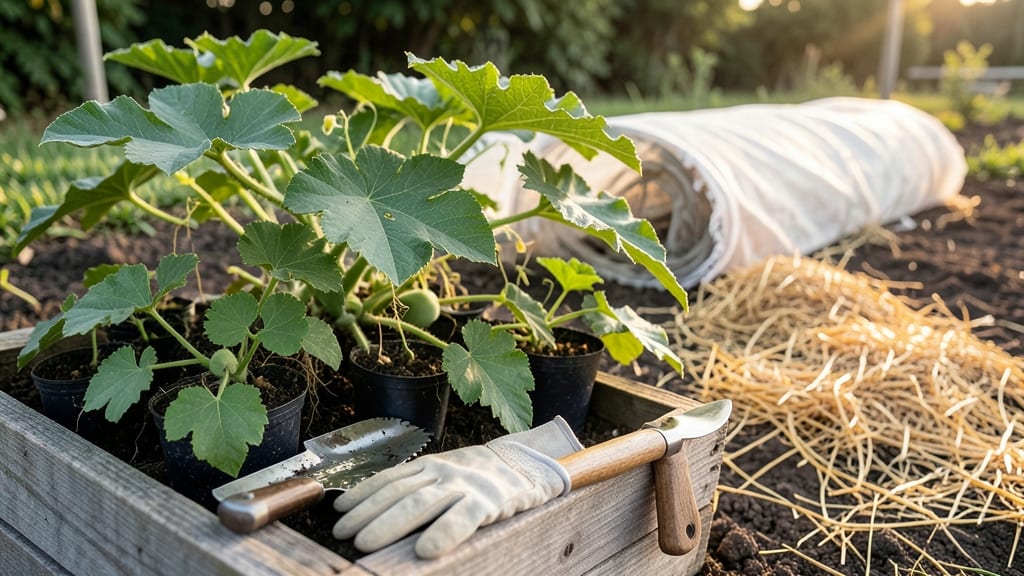
Plant watermelon in North Carolina after the last frost, when soil temperatures hit 70°F or higher—usually mid-April to early June for most of the state.
North Carolina’s warm summers are perfect for juicy, homegrown watermelons—but planting them at the wrong time means bitter disappointment. Timing is everything, and getting it right can mean the difference between a bountiful harvest and wasted effort.
If you’ve ever waited all summer for your 🍉 to ripen, only to find them still hard or cracked, you’re not alone. The key is knowing when to start seeds indoors (or when to direct sow) and how to prep your soil for NC’s humid climate.
Below, I’ll break down the exact frost-free dates by region, soil temperature thresholds, and pro tips for extending your growing season—so you can enjoy sweet, vine-ripened watermelons from July through September.
North Carolina watermelon planting timeline: frost-free dates & heat requirements
North Carolina’s diverse climate zones—from the Coastal Plain to the Mountains—create unique planting challenges for watermelons. Timing is critical because these heat-loving plants need consistent warmth to thrive, and getting it wrong can mean stunted growth or no fruit at all.
The key is planting after your last frost date and when soil temperatures hit at least 70°F.
In Coastal NC, where winters are milder, you can start as early as mid-March for early varieties, while Mountain regions typically wait until late May. The Piedmont falls somewhere in between, with ideal planting windows from mid-April to early May.
Understanding your specific zone ensures your watermelons get the 120-140 frost-free days they need to mature.
For direct sowing, which is often best for watermelons, wait until soil temperatures consistently reach 70°F at a depth of 4 inches. Use a soil thermometer to check—this is especially critical in Mountain regions, where cooler soils delay germination.
If you’re transplanting seedlings, start them indoors 4-6 weeks before your last frost date using biodegradable pots to minimize root disturbance.
In Coastal NC, where the growing season is longer, you can even squeeze in a second planting in early July for late varieties like 'Moon and Stars', which matures in 85-90 days.
However, avoid planting after July 15 in most zones, as watermelons need at least 75 days of warm weather to bear fruit. Use black plastic mulch to warm the soil faster and extend your planting window by 1-2 weeks.
Watch for false springs, where warm weather tricks you into planting early, only to be followed by a late frost. In the Piedmont, this happens around April 15, while Mountain gardeners face risks until May 20.
Always have row covers ready to protect young plants if nighttime temperatures dip below 50°F. I’ve learned this the hard way—last year, my early 'Sugar Baby' seedlings in the Asheville area were fried by a late-May frost!
If you’re in a microclimate with earlier warming—like a south-facing slope or near a heat-retaining wall—you can plant 2-3 weeks early. Test your microclimate by checking when nearby peas or lettuce (cool-season crops) bolt or struggle—this signals your soil is warming enough for watermelons.
For container growing, use black pots to absorb heat and plant 1-2 weeks later than in-ground plants, as they cool faster.
Pro tip: Mark your planting dates on a garden calendar and track cumulative heat units (growing degree days) using a free tool like the NC State Extension’s Crop Calendar. Watermelons need 1,200-1,500 GDDs to mature, and this varies by variety. For example, <
Soil preparation & pre-planting tips for maximum watermelon yield in NC
North Carolina’s humid summers and rich soil can produce watermelons that burst with sweetness—but only if you prep the ground right. Poor drainage or unbalanced pH can turn your garden into a fungal hotspot, while low organic matter stunts growth.
Let’s fix that with a foolproof soil prep routine tailored to NC’s climate.
Start by testing your soil’s pH level—watermelons thrive in 6.0 to 6.8. If your soil is too acidic, mix in lime; for alkaline soil, add sulfur or peat moss.
My go-to method? A simple home pH test kit from the garden center—it’s cheaper than lab tests and just as accurate for this job.
🌱 Styled List: NC Watermelon Soil Prep Checklist
- 🌱 Step 1: Test soil pH (aim for 6.0–6.8)
- 🌱 Step 2: Amend with 2–3 inches of compost or aged manure
- 🌱 Step 3: Loosen soil 12–18 inches deep for root spread
- 🌱 Step 4: Add sand or perlite if drainage is slow
- 🌱 Step 5: Plant with companion plants (e.g., radishes, marigolds)
Don’t skip the organic matter—watermelons are heavy feeders, and NC’s clay-heavy soils often lack nutrients. Work in 2–3 inches of compost or well-rotted manure before planting. Pro tip: Mix in a balanced fertilizer (10-10-10) at planting time to give vines a growth boost without burning tender roots.
NC’s summer humidity loves to invite fungal diseases like powdery mildew. Beat it by improving airflow with mulch—straw or black plastic works. Mulch also keeps soil consistently moist, which watermelons crave, especially during flowering and fruiting. Just avoid wetting the leaves to prevent mildew.
For extra yield, pair watermelons with companion plants like radishes (they deter pests) or marigolds (natural fungicide). Avoid planting near potatoes or squash, though—they compete for nutrients and attract similar pests.
My favorite combo? Watermelon + basil—the basil repels insects, and the watermelon shades the soil to retain moisture.
Finally, give your vines room to sprawl. Watermelons need 6–10 feet of space per plant, so don’t crowd them. If space is tight, use trellising for bush varieties like 'Sugar Baby'—it saves space and makes harvesting easier. Just be ready for heavy fruit; trellises need sturdy support!