
Planting
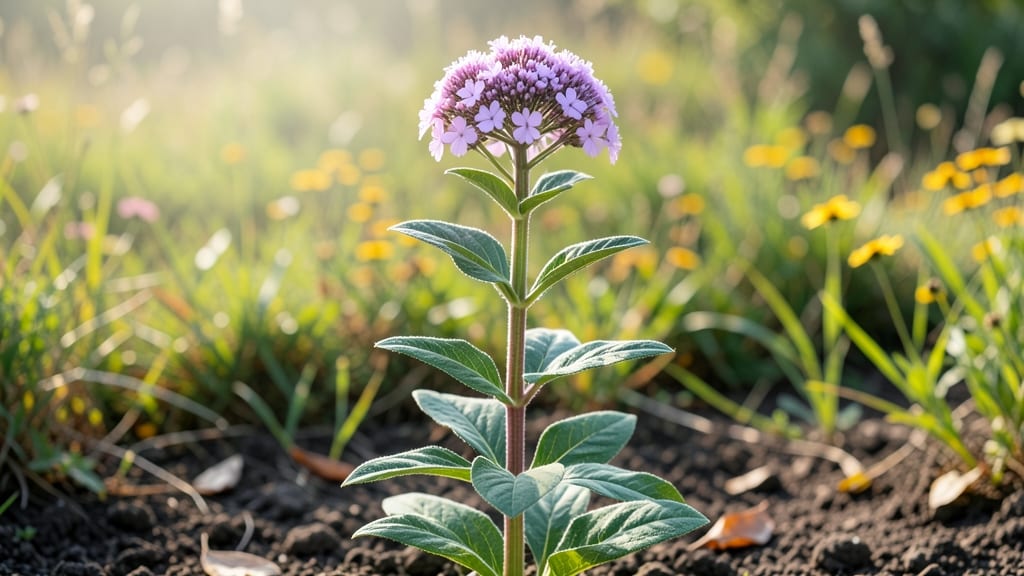
A milkweed plant looks like a sturdy perennial with glossy, oval leaves that have a distinctive waxy sheen and visible parallel veins. It produces striking flower clusters in shades of pink, purple, or white that puff like dandelions, and its stems secrete a milky sap while bearing seed pods filled with fluffy white down.
A milkweed plant's most recognizable features are its broad, lance-shaped leaves that grow in opposite pairs along the stem. 🌿 The flowers—often mistaken for cotton candy—are actually clusters of tiny blooms that attract monarch butterflies, while the seed pods are the plant's signature, splitting open to release their iconic fluff.
What sets milkweed apart from similar plants like thistles is its smooth stems and lack of spines, along with that telltale milky sap that oozes when you break the stems. These plants thrive in sunny fields and roadsides, often reaching heights between 1 and 5 feet depending on the species.
If you're trying to identify one in the wild, focus on three key traits: the waxy leaves, the puffball flowers, and those distinctive seed pods. 🌸 Common milkweed has broader leaves and grows taller, while butterfly weed features bright orange flowers and narrower foliage.
Each variety plays a crucial role in supporting pollinators, making them both beautiful and ecologically valuable.
💡 In This Article
- Identifying Milkweed Leaves, Flowers, and Seed Pods
- Milkweed Varieties and Their Unique Traits
Identifying milkweed leaves, flowers, and seed pods
The broad, oval leaves of a milkweed plant are its first distinguishing feature, measuring 3–8 inches long and 1–3 inches wide with smooth, waxy edges that repel water. 🌿 This waxy coating, called a cuticle, helps the plant conserve moisture in dry conditions while giving the leaves a slightly bluish-green hue when viewed from certain angles.
The leaves grow in opposite pairs along the stem, creating a symmetrical pattern that's easy to spot in fields or gardens. Unlike thistle leaves, which are spiky and jagged, milkweed leaves are smooth to the touch and have prominent parallel veins that run lengthwise.
When the plant flowers, it produces striking clusters of pink, purple, or white blooms that resemble puffballs or cotton candy. 🌸 Each cluster contains 50–100 tiny individual flowers, each with five petals that curl back slightly, giving the whole cluster a fuzzy appearance.
These flowers bloom in late spring to early summer and attract monarch butterflies, which rely on milkweed as their sole host plant for laying eggs. The flowers' unique shape and color make them stand out against similar plants like dandelions, which have yellow, single-stemmed blooms that don't form clusters.
The seed pods are where milkweed becomes truly iconic. 🌱 These elongated, football-shaped pods grow 4–6 inches long and 1–2 inches wide, starting green and turning brown as they mature.
When fully ripe, they split open with a dramatic "pop," releasing thousands of fluffy white seeds attached to silky parachutes. This fluff is what gives milkweed its nickname—it can travel on the wind for miles, allowing the plant to spread widely.
Unlike thistle seed heads, which are spiky and remain closed, milkweed pods open eagerly, making them unmistakable in late summer.
One of the most reliable ways to identify milkweed is by its milky sap, which oozes from broken stems or leaves. 💧 This latex-like substance contains cardiac glycosides, toxic compounds that deter herbivores but don't harm monarch caterpillars, which have evolved resistance.
The sap's presence is a dead giveaway—no other common plant in its range produces this thick, white liquid. Even the stems are distinctive, growing 1–5 feet tall with a thick, slightly ribbed texture that feels sturdy when touched, unlike the hollow stems of many wildflowers.
To avoid confusion with look-alikes, remember this trio: waxy leaves, puffball flowers, and exploding seed pods. 🌿🌸🌱 Common milkweed and butterfly weed are the two most frequently encountered species, but even within these, the leaf shape varies—common milkweed has broader, more rounded leaves, while butterfly weed features narrower, lance-shaped foliage.
The flowers also differ: common milkweed blooms in shades of pink or purple, while butterfly weed sports bright orange clusters that resemble tiny pom-poms.