
Shrubs
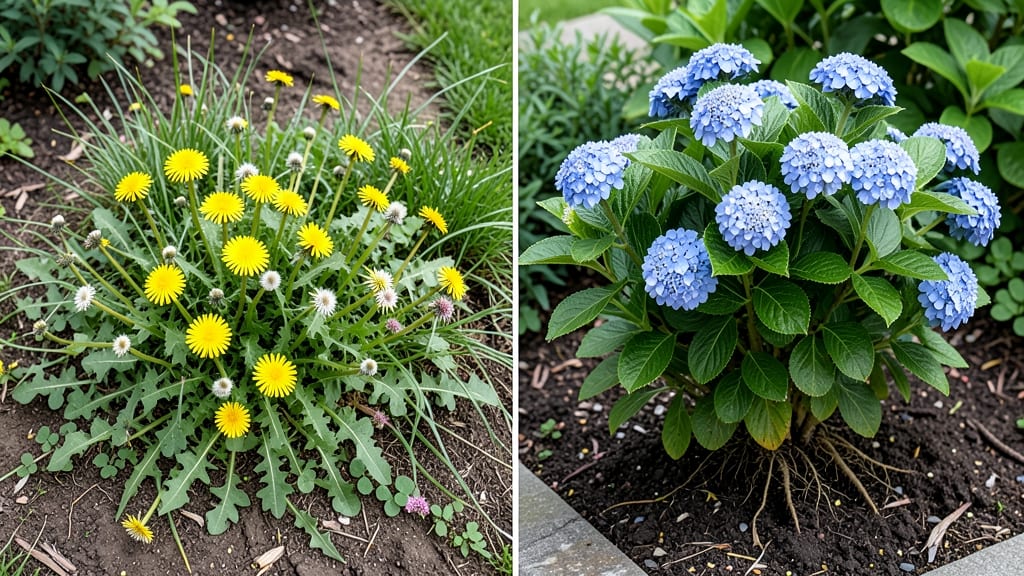
To distinguish weeds from shrubs, focus on their growth patterns and physical traits: weeds are annual or perennial non-woody plants with rapid growth and shallow roots, while shrubs feature woody stems, organized branching, and persistent bark. Check stem hardness, leaf arrangement, and plant height for clear identification.
Weeds and shrubs serve completely different roles in your landscape, and understanding their key differences helps with proper care and removal. 🌱 Shrubs like boxwood or lilac have thick, woody stems that persist year-round, while weeds like crabgrass or clover grow quickly but die back annually or have soft, flexible stems.
The way they spread—whether by seed or underground runners—also plays a huge role in how they behave in your garden.
For example, dandelions (a weed) produce fluffy seed heads that scatter everywhere, while a hydrangea shrub grows from a single woody base with layered branches. This distinction matters when planning your garden layout or choosing plants that won’t take over your lawn.
💡 In This Article
- Botanical Differences Between Weeds and Shrubs
- Practical Field Guide for Identifying Garden Plants
Botanical differences between weeds and shrubs
The most fundamental difference lies in their stem structure: shrubs develop woody stems that persist year-round, while weeds have herbaceous (non-woody) stems that are soft and often die back annually. This woody nature in shrubs isn't just about appearance—it's an evolutionary adaptation for longevity.
Shrubs like boxwood or lilac produce lignin, a complex polymer that strengthens cell walls, allowing them to grow taller (typically 3-10 feet) and survive harsh winters. Weeds, in contrast, rely on rapid reproduction and shallow root systems (6-12 inches deep) to dominate open spaces quickly.
Root systems reveal another critical distinction. Shrubs develop taproots or deep lateral roots that anchor them firmly, while weeds often have fibrous or adventitious roots that spread horizontally. This explains why shrubs like rose bushes remain stable in windy conditions, whereas weeds like crabgrass can uproot easily when pulled.
The reproductive strategies also differ dramatically: shrubs produce berries, nuts, or seeds that require animal dispersal, while weeds release thousands of lightweight seeds (e.g., dandelion fluff) designed for wind distribution. 🌿 This seed-based strategy lets weeds colonize disturbed soil rapidly—a survival tactic shrubs don't need due to their established woody structure.
Leaf arrangement provides another telling clue. Shrubs typically feature alternate or opposite leaf patterns along their branches, creating a structured appearance. For example, holly leaves alternate along stems, while boxwood leaves grow opposite each other.
Weeds, however, often display random or whorled arrangements (like plantain's rosette pattern) that maximize sunlight capture in competitive environments. The leaf texture also varies: shrub leaves are usually thicker and leathery (e.g., rhododendron), while weed leaves tend to be thin and delicate (e.g., chickweed), reflecting their different resource needs.
Ecological roles highlight these differences further. Shrubs serve as habitat providers for birds and insects, with their persistent structure offering year-round shelter. Weeds, meanwhile, act as pioneer species—quickly covering bare soil to prevent erosion.
This functional divide explains why gardeners might tolerate certain "weeds" (like clover) for their soil benefits, while shrubs are cultivated for their ornamental or functional value. The key takeaway: shrubs are built for permanence, while weeds thrive on impermanence and speed. 🌱
Consider the growth rate as another critical factor. Shrubs grow slowly but steadily (about 6-12 inches per year for most species), while weeds can sprout from seed to maturity in weeks. This rapid life cycle lets weeds exploit gaps in landscapes, whereas shrubs require years to establish.
The trade-off? Shrubs offer long-term benefits like privacy or wildlife support, while weeds demand constant vigilance. Understanding these biological trade-offs helps gardeners make informed choices about which plants belong where in their outdoor spaces.
One often-overlooked detail is the bark texture. Mature shrubs develop rough or ridged bark (like birch's papery layers), while weeds have smooth, green stems that lack the protective lignin layer. This bark isn't just cosmetic—it's a survival mechanism that protects shrubs from temperature extremes and pests.
Weeds skip this investment entirely, focusing instead on rapid reproduction and seed dispersal. The next time you're identifying plants, run your fingers along the stem: if it feels woody and persistent, you're dealing with a shrub; if it's soft and flexible, it's likely a weed. 🌿