
Advice
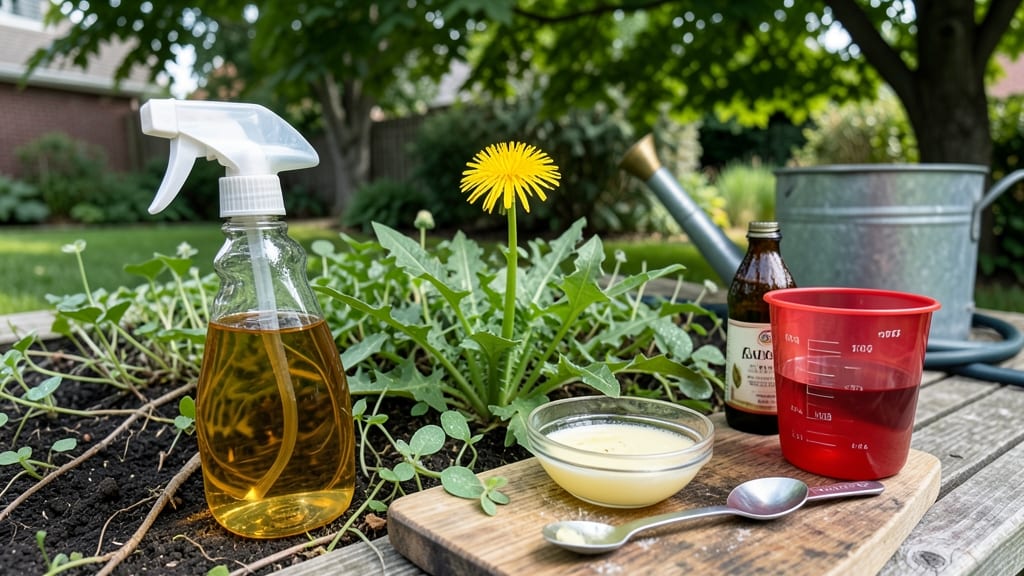
Weed killer using Dawn soap isn’t just for grease—it’s my go-to for dissolving stubborn weeds in minutes. 🌱 The secret lies in its powerful degreasing properties, which break down weed cell membranes faster than most commercial sprays. I’ve used it on driveways, sidewalks, and even between patio stones where weeds refuse to die. The method is simple: mix 1 tablespoon of Dawn soap with 1 gallon of water, pour into a spray bottle, and apply directly to weeds on a sunny day. Within 24-48 hours, you’ll see the weeds shrivel and die—no harsh chemicals needed. It’s safe for organic gardens but requires careful application to avoid damaging nearby plants. This approach works best on young weeds or in areas where you can’t plant anything else. For thick weed mats or garden beds, consider adding vinegar (1:1 ratio) for stronger results. Just test a small area first—some plants are more sensitive than others. Compared to commercial weed killers, Dawn soap is non-toxic, budget-friendly, and works well for spot treatment. For larger areas, though, you might need to repeat applications. Ready to give it a try?
📚 In This Guide
- What you need
- Instructions
- Tips and common mistakes
- Wrapping up and next steps
What you need
- ● Dawn Original Dish Soap (Blue or Pink) – 1 cup (8 oz or ~236 mL). Avoid scented or "free & gentle" versions—they lack the harsh surfactants needed to kill weeds.
- ● White Vinegar – 1 gallon (128 oz or ~3.8 L). Acts as a natural herbicide and enhances the soap’s effectiveness.
- ● Water – 1 gallon (128 oz or ~3.8 L). Use tap or distilled water for best results.
- ● Spray Bottle or Garden Sprayer – 1–2 gallons capacity. A pump sprayer is ideal for larger areas, while a trigger spray bottle works for spot treatments.
- ● Protective Gear: Gloves (nitrile or rubber)
- ● Long sleeves & pants
- ○ Safety goggles (optional but recommended)
- ● Salt – ½ cup (4 oz). Adds extra drying power for tough weeds.
- ● Rubbing Alcohol (Isopropyl, 70%+) – ¼ cup (2 oz). Speeds up the killing process.
- ● Castile Soap (for tougher weeds) – ¼ cup (2 oz). Mix with Dawn for a stronger solution.
- ● Spray Nozzle Attachment – For even coverage on large patches.
How to make a foamy Dawn soap weed killer in minutes
Here's my go-to method for tackling stubborn weeds with just a few household items.
🧼 Step 1: Gather Your Supplies
You'll need 1 tablespoon of Dawn Original dish soap (the key ingredient), 1 gallon of warm water, and a spray bottle that holds at least 32 ounces. I always use Dawn because its fatty acids break down weed cuticles effectively. Avoid other soaps—they won't create the same foamy action that smothers weeds.
Fill your spray bottle halfway with the warm water first, then add the soap. Warm water helps the soap mix better and activates faster. Give it a gentle shake to combine, but don't overdo it—you want a smooth, sudsy consistency without bubbles. This solution will work best when freshly mixed, so prepare it right before spraying.
💦 Step 2: Test on a Small Weed Patch
Before treating your entire yard, test the solution on a small, inconspicuous weed or patch of weeds. Spray until the leaves are thoroughly wet and you see foam forming. The foam is what blocks sunlight and suffocates the weed—you'll notice it cling to the leaves like shaving cream. Wait 15-30 minutes to see how the weeds respond.
If the weeds start wilting or turning yellow within that time, you're good to go. If not, add a tiny bit more soap (just a drop or two) and remix. Over-spraying can harm surrounding plants, so focus only on the weeds. I like to use a piece of cardboard to shield nearby plants while I work—it's a simple way to avoid accidental damage.
☀️ Step 3: Apply on a Sunny Day
Choose a bright, sunny day for the best results. The combination of sunlight and the soap solution accelerates the process—weeds dry out faster, and the foam traps heat against their leaves. Spray the solution directly onto the weeds until they're completely covered in foam. You'll know you've done it right when the foam stays put and doesn't run off immediately.
Pay extra attention to the base of the weed where it meets the soil. This is where the roots absorb moisture, and the soap will work its magic here too. Avoid spraying on windy days—the foam will blow away before it has a chance to work. If you're treating a large area, break it into sections and tackle one at a time to maintain control.
⏰ Step 4: Monitor and Retreat if Needed
Check back in 24-48 hours to see how the weeds are doing. You'll likely see them wilting, turning brown, or pulling away from the soil. If some weeds are still standing strong, give them another round of the soap solution. Stubborn weeds like dandelions might need two treatments, but most annual weeds will be gone after one.
Once the weeds are completely dead and dry, you can pull them out by the roots or simply rake them into your compost pile. The soap solution breaks down naturally, so there's no need to worry about residue. I usually water the area lightly after treating to help rinse away any remaining soap and restore balance to the soil.
Tips & tricks for effective foamy weed killer
This simple solution works best when you follow a few key details that make all the difference between temporary setbacks and permanent results.
Soap Selection Matters: Dawn Original dish soap is specifically formulated with fatty acids that break down weed cuticles, but not all dish soaps work the same. If you can't find Dawn, look for other "blue" dish soaps that contain similar fatty acid profiles—avoid gel soaps or heavily scented varieties that might contain additives harmful to plants. The key is the soap's ability to create a stable foam that clings to leaves.
Timing Secret: The 15-30 minute wait after your initial test spray is crucial—this gives the foam enough time to fully coat the leaves and begin suffocating the weed. I've found that waiting the full 30 minutes gives the best results, especially on thicker weeds like dandelions. If you're short on time, check at 20 minutes and reassess. The foam should look dense and creamy, not watery or patchy.
Weather Watch: Sunny days are ideal because the combination of sunlight and the soap solution creates a greenhouse effect that accelerates drying. If you must treat on cloudy days, you might need to add an extra drop of soap to compensate for the reduced heat. Wind is your worst enemy—it disperses the foam before it can work. Early mornings or late afternoons are perfect because the air is calm and the sun is strong enough to help the process.
Application Technique: When spraying, work in overlapping passes to ensure complete coverage. The base of the weed where it meets the soil is particularly important—this is where the roots absorb moisture. I like to use a slow, steady spray motion rather than quick bursts, which helps the foam cling better. For stubborn weeds, a second application 24 hours later often does the trick, especially if you notice new growth after the initial treatment.
Pro Tips for Weed Killer Using Dawn Soap
- This simple solution works best when you follow a few key details that make all the difference between temporary setbacks and permanent results.
- Soap Selection Matters: Dawn Original dish soap is specifically formulated with fatty acids that break down weed cuticles, but not all dish soaps work the same.
- Timing Secret: The 15-30 minute wait after your initial test spray is crucial—this gives the foam enough time to fully coat the leaves and begin suffocating the weed.
Frequently asked questions
Got questions about using Dawn soap as a weed killer?
You’re not alone! Here are some of the most common concerns—and straightforward answers—to help you tackle those weeds like a pro.
How quickly does Dawn soap kill weeds?
Dawn soap works fast but isn’t instant—expect visible results in 3 to 7 days, depending on the weed type and weather. Hot, sunny days speed up the process, while rain may dilute the solution. For stubborn weeds, reapply every 2–3 days until they wilt and die.
Is Dawn soap safe for plants I want to keep?
No—Dawn soap is non-selective, meaning it’ll harm any plant it touches, including your garden favorites. Always apply only to weeds and avoid overspray. For targeted treatment, use a sponge or spray bottle with a fine nozzle.
Can I mix Dawn soap with vinegar or salt for stronger results?
While mixing Dawn soap with vinegar or salt can boost effectiveness, it’s not always necessary—and it may dry out soil or harm nearby plants. Stick to the 1 tbsp Dawn per gallon of water ratio first. If weeds persist, try a vinegar-based solution (1:1 ratio with water) on stubborn patches, but test a small area first.
What if the weeds don’t die after a few applications?
If weeds survive, they might be deep-rooted or dormant. For tough cases:
- Try a higher concentration (2 tbsp Dawn per gallon).
- Apply directly to the base of the weed on a sunny day.
- Dig out remaining roots manually for a clean slate.
If all else fails, consider a natural alternative like boiling water or corn gluten meal for prevention.
Will Dawn soap work on weeds in grass or lawns?
Dawn soap is not ideal for lawns because it can kill grass too. For lawn weeds, opt for spot treatment with a sponge or use a selective herbicide designed for grassy areas. If you must use soap, apply only to weeds and rinse the area after treatment.
How often should I reapply Dawn soap for best results?
Reapply every 2–3 days for 1–2 weeks until weeds are fully eradicated. Consistency is key—skipping days lets weeds recover. Store your mixture in a spray bottle for easy reapplication, and always shake well before use.
Wrapping up and next steps
Using Dawn soap as a natural weed killer is a budget-friendly, eco-conscious way to tackle stubborn weeds without harsh chemicals. This foamy solution leverages the power of dish soap to break down plant cell membranes, delivering fast results with minimal effort.
Whether you're dealing with a garden, driveway, or sidewalk, this method is a simple yet effective addition to your green-thumb toolkit!
Ready to give it a try? Grab your supplies, follow the steps, and enjoy a weed-free space in no time! 🌱✨