
Planting
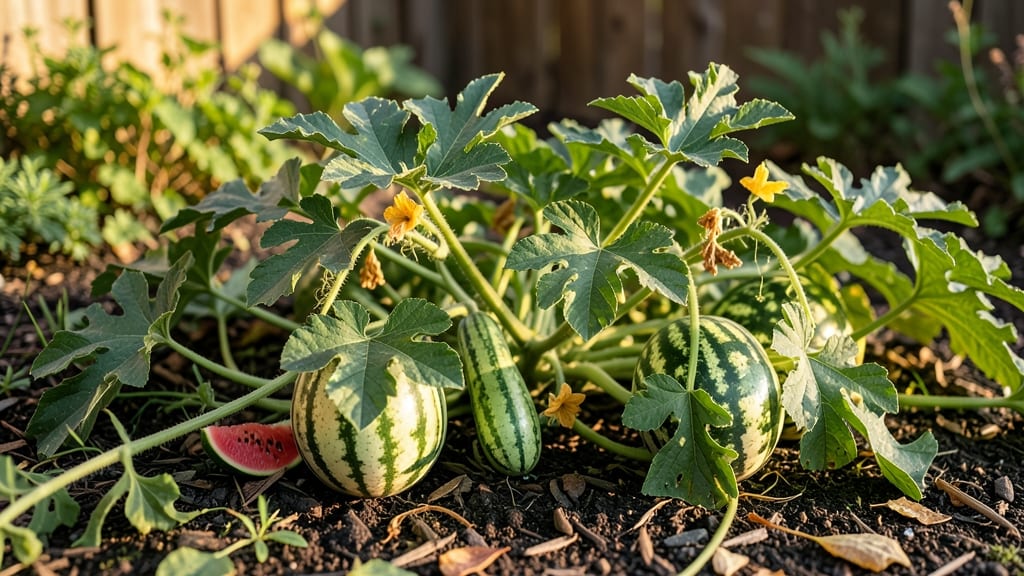
Growing watermelons in your garden means timing the watermelon growing season just right—because those sweet, juicy slices won’t ripen if you plant too early or too late.
Picture this: it’s July, and you’re about to slice into a vine-ripened watermelon 🍉 that’s sweeter than anything you’ve ever bought. But here’s the catch—if you miss the ideal planting window, you might end up with bitter fruit or no harvest at all.
The key? Knowing when to start seeds in your USDA zone and how long those vines need to reach maturity.
In warmer climates like Zone 9, you can plant as early as March, while gardeners in cooler areas like Zone 6a should wait until after the last frost—usually mid-April to mid-May.
The difference between a great harvest and a flop often comes down to soil temperature and frost risk, not just the calendar date.
Below, I’ll break down the exact planting windows for your zone, how to extend the season in short-growth areas, and the three key milestones every watermelon gardener should watch for—so you can go from seed to slice with confidence.
Watermelon growing season by US hardiness zones: when to plant for optimal harvests
Watermelons thrive in warm weather, but their growing season varies dramatically across USDA hardiness zones 3-11. In cooler northern zones, you’ll need to time your plantings carefully to avoid frost, while southern gardeners must manage heat stress.
The key to success is understanding your last frost date and soil temperature requirements—watermelon seeds won’t germinate below 70°F (21°C), and seedlings can’t handle temps below 55°F (13°C).
For gardeners in zones 3-5, the growing season is short, so fast-maturing varieties like ‘Sugar Baby’ (55-60 days) are your best bet. In zones 6-9, you can experiment with both early and late plantings, while zones 10-11 offer year-round growing potential with proper shade and water management.
Let’s break down the ideal planting windows for each zone to help you plan your harvest.
📅 Pro Tip: Always check your local frost-free dates—they can vary by 1-2 weeks even within the same zone. Use the National Weather Service or Old Farmer’s Almanac for precise timing.
| USDA Zone | Last Frost Date | Soil Temp for Planting | Direct-Sown Seeds | Transplant Window | Harvest Window |
|---|---|---|---|---|---|
| Zones 3-4 | Mid-May to early June | 70°F+ (21°C+) | Late May - June 15 | Use 4-6 week starts; transplant after June 1 | Late July - August |
| Zones 5-6 | Late April - May 15 | 70°F+ (21°C+) | May 1 - June 1 | Transplant after May 15 | June - September |
| Zones 7-8 | Mid-March - April 15 | 65°F+ (18°C+) | April 15 - May 15 | Transplant after April 1 | May - October |
| Zones 9-10 | January - February (varies) | 60°F+ (15°C+) | February - April | Transplant year-round | March - December |
| Zone 11 | None (tropical) | 55°F+ (13°C+) | Year-round (avoid peak summer) | Transplant anytime | Continuous harvests |
In zones 3-4, where summers are short, focus on early-maturing varieties like ‘Crimson Sweet’ (70-80 days) or ‘Early Red’ (68 days). Plant seeds directly into the soil after the last frost date, using black plastic mulch to warm the soil faster.
For transplants, start seeds indoors 4-6 weeks before your last frost and harden them off before moving outside.
Gardeners in zones 5-6 have more flexibility. You can make two plantings: one in early May for a summer harvest and another in late June for a fall crop. Use row covers to extend the season if frost threatens.
In these zones, ‘Black Diamond’ (70 days) or ‘Carolina Cross’ (75 days) are excellent choices for their balance of speed and size.
For zones 7-8, the growing season is long enough to experiment with successive plantings. Start seeds indoors in March for an early transplant, then direct-sow again in May for a late-summer harvest.
In these warmer climates, ‘Charleston Gray’ (85 days) or ‘Crimson Sweet’ shine. Just be mindful of heat stress—watermelons need consistent moisture during fruit development to avoid bitter fruit.
Southern gardeners in zones 9-11 can grow watermelons almost year-round, but avoid planting during peak summer heat (above 95°F/35°C). Instead, opt for
How to extend your watermelon growing season in cool or short-season climates
Living in USDA zones 3-7 doesn’t mean you have to skip growing watermelons! With the right strategies, you can extend your growing season and enjoy homegrown fruit even in cooler climates. The key lies in selecting fast-maturing varieties and using protective tools to shield plants from early frosts.
For example, ‘Sugar Baby’ matures in just 65-70 days, while ‘Black Diamond’ thrives in shorter seasons with its 70-day harvest time.
Another game-changer is soil warming techniques. Watermelons need soil temperatures of at least 70°F (21°C) to germinate. In cooler zones, black plastic mulch can raise soil temperatures by 5-10°F, creating a microclimate that mimics warmer conditions.
Pair this with row covers or cold frames to protect young plants from unexpected chills. These methods work especially well in zones 4-6, where nights can still dip below 50°F (10°C).
🌱 Extending Watermelon Season: Pros & Cons
✅ Pros
- 🌱 Faster maturity: Early varieties like ‘Sugar Baby’ ripen in 65-70 days, beating frost.
- ☀️ Warmer soil: Black plastic mulch raises temps by 5-10°F, speeding germination.
- 🛡️ Frost protection: Row covers shield plants from 32-40°F (0-4°C) temps.
- 🌿 Healthier vines: Cold frames create stable microclimates for stronger root growth.
❌ Cons
- 💰 Cost: Row covers and cold frames require upfront investment.
- ⏳ Setup time: Installing mulch and covers takes extra effort before planting.
- 🌡️ Overheating risk: Black plastic mulch can get too hot in sunny climates.
- 🐛 Pest attraction: Warm soil may draw more insects like cucumber beetles.
When choosing varieties, prioritize cold-hardy types like ‘Crimson Sweet’ or ‘Carolina Cross’—these tolerate cooler nights better than heat-loving hybrids. However, if you’re in zone 7 or warmer, opt for heat-tolerant varieties such as ‘Charleston Gray’ or ‘Crimson Sweet’, which thrive in 90°F+ (32°C+) temperatures.
Always check seed packets for days to maturity and temperature ranges to match your climate.
For an extra boost, try starter plants instead of direct sowing. Transplants give your watermelons a 4-6 week head start, allowing them to establish roots before the last frost. Pair this with compost-rich soil and consistent watering to ensure steady growth.
I’ve found that drip irrigation works best—it delivers water directly to roots while keeping foliage dry, reducing disease risk in humid conditions.
Finally, don’t forget to monitor weather forecasts and adjust protections as needed. If a late frost warning appears, cover your plants immediately with frost blankets or move potted watermelons to a sheltered spot.
With these strategies, you can extend your harvest window by 2-4 weeks, ensuring sweet, ripe watermelons even in cooler climates.
🍉 Ready to try? Start by selecting your fastest-maturing variety and prepping your soil with black plastic mulch—your future harvest will thank you!