
Flowers
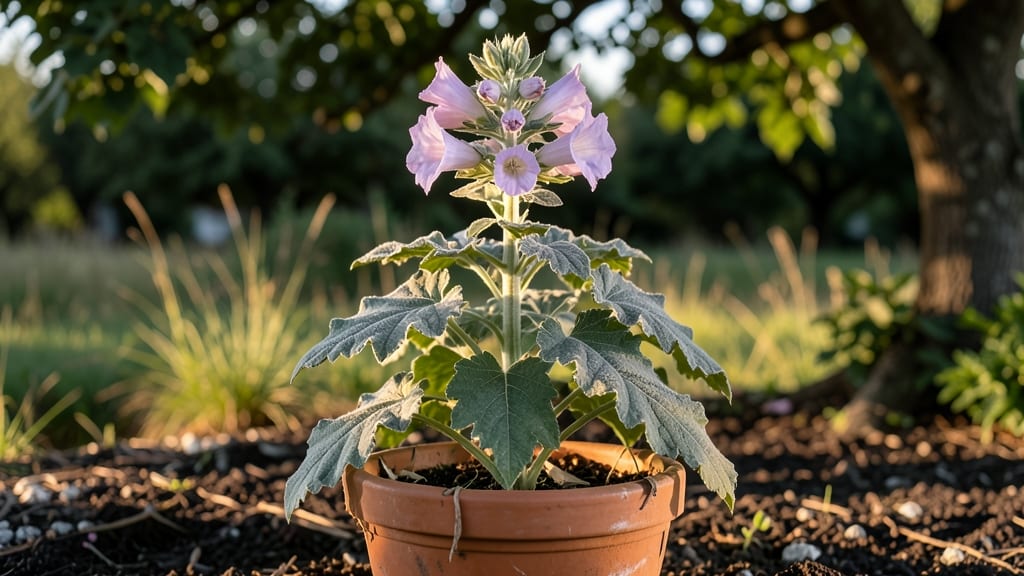
That dreamy, moonlit canopy of trumpet-shaped blooms is Jimson weed flower—Datura stramonium—and it grows faster than you’d expect with the right conditions. 🌙 I’ve grown it for years, and while it’s toxic (keep pets and kids away), the dramatic foliage and fragrant evening flowers make it worth the caution.
The key is patience—it thrives on neglect once established, but those first few months demand attention.
You’ll need a sunny spot with at least 6 hours of direct light daily, well-draining soil (sandy loam works best), and zero fuss—this plant tolerates drought and poor soil like a champ.
Start seeds indoors 8-10 weeks before your last frost, or sow directly in spring after all danger of frost has passed. The seedlings pop up fast, but they’re fussy about moisture—keep soil lightly damp until they’re 2 inches tall, then let them dry out between waterings.
By midsummer, you’ll have a thorn-free, 3-5 foot tall bush bursting with white, pink, or purple trumpet flowers that open at dusk. The scent is intoxicating (literally—it’s in the same family as datura, the "devil’s snare"), and the foliage adds a wild, tropical vibe to any garden.
Prune back in early spring, mid-summer, and fall to encourage bushier growth—just wear gloves, as the stems are prickly.
Here’s the catch: never plant it near edibles—the seeds and leaves are deadly if ingested, and even handling can cause skin irritation. But in a cut-flower garden or as a dramatic backdrop, it’s a showstopper.
Deadhead spent blooms to prolong flowering, and save seeds for next year’s crop—they’re easy to collect and store. Just keep that warning sign handy!
📚 In This Guide
- What you need
- Instructions
- Tips and common mistakes
- Wrapping up and next steps
What you need
- ● Jimson weed seeds – 5–10 seeds (or 1–2 seed packets for multiple plants). Pro tip: Opt for organic, non-GMO seeds for best results!
- ● Well-draining potting soil – 1–2 bags (mix with perlite or sand for aeration). 💡 Avoid heavy clay soil to prevent root rot.
- ● Containers or garden bed – 6-inch pots (for seedlings) or a sunny garden spot (6+ hours of light daily).
- ● Organic compost – 1 cup per plant (boosts nutrients).
- ● Watering can or hose – With a gentle spray nozzle for seedlings.
- ● Pruning shears – Sharp, sterilized shears (for trimming dead blooms or shaping plants).
- ● Gloves – Heavy-duty gardening gloves (jimson weed has mild toxins; protect your skin!).
- ● Sun hat & sunscreen – For outdoor work (full sun exposure is ideal for growth!).
- ○ Optional: Grow lights (for indoor seedlings in low-light areas).
- ● Mulch (to retain soil moisture).
- ● Fertilizer (balanced 10-10-10 or compost tea).
Step-by-step guide to growing and pruning jimson weed flowers
Here's how to cultivate a stunning, thorn-free jimson weed canopy with seasonal pruning for year-round beauty.
🌱 Step 1: Choose the Right Location and Prepare the Soil
Jimson weed thrives in full sun, needing at least 6-8 hours of direct sunlight daily. Find a spot with well-draining soil—these plants hate soggy roots. If your soil is heavy clay, mix in 2-3 inches of compost to improve aeration and fertility. I like to test the soil pH first; jimson weed prefers slightly acidic to neutral soil around 6.0-7.0.
Loosen the top 12 inches of soil with a garden fork to break up compaction. Remove any weeds or grass in a 3-foot radius—competition will stunt your jimson weed's growth. If planting in containers, use a large pot (at least 18 inches deep) with drainage holes and fill with a mix of 60% potting soil, 30% perlite, and 10% compost.
🌿 Step 2: Plant Seeds or Transplants at the Right Time
Start seeds indoors 8-10 weeks before your last frost date or sow directly outdoors after the soil warms to 70°F. Plant seeds ¼ inch deep and 12 inches apart—they germinate best in warm conditions. If using transplants, space them 2-3 feet apart to allow for their sprawling growth habit.
Water gently after planting to settle the soil but avoid soaking the seeds. Keep the soil consistently moist until germination, which takes 10-20 days depending on temperature. Once seedlings emerge, thin them to the strongest 2-3 plants per location—crowding leads to weak stems and fewer flowers.
✂️ Step 3: Prune for a Thorn-Free Canopy in Three Seasons
Spring Pruning (Early Growth): When new shoots reach 6-8 inches tall, pinch back the tips to encourage bushier growth. Remove any weak or leggy stems at the base—this redirects energy to stronger branches. I also snip off any thorns that form near the main stem to keep the plant more manageable.
Summer Pruning (Flowering Season): As flowers bloom, deadhead spent blooms to encourage more flowers and prevent seed pods from forming. Prune back any overly long branches to maintain a balanced shape. Use sharp pruners to make clean cuts just above a leaf node—this prevents disease and promotes faster regrowth.
Fall Pruning (Preparation for Winter): After the first frost, cut back the plant by ⅔ of its height to remove damaged foliage and encourage new growth in spring. Mulch around the base with 2-3 inches of organic mulch to protect roots from freezing temperatures. This also keeps weeds at bay and retains soil moisture.
☀️ Step 4: Maintain Watering and Fertilizing for Healthy Growth
Water deeply 1-2 times per week, depending on rainfall, to encourage deep root growth. Jimson weed is drought-tolerant once established but produces better flowers with consistent moisture. Water at the base of the plant in the morning to reduce evaporation and fungal risks.
Fertilize lightly in early spring with a balanced, slow-release fertilizer (10-10-10). Avoid over-fertilizing—too much nitrogen promotes leafy growth at the expense of flowers. I also add a handful of compost around the base every 4-6 weeks during the growing season to keep the soil rich without overloading the plant.
🌿 Step 5: Monitor for Pests and Diseases
Jimson weed is generally pest-resistant, but watch for aphids or spider mites on new growth. Spray infested areas with a mix of 1 part water and 1 part rubbing alcohol to deter pests naturally. If fungal issues like powdery mildew appear, prune affected leaves immediately and improve air circulation around the plant.
Keep an eye out for volunteer seedlings—jimson weed spreads easily from seeds. Remove unwanted seedlings promptly to prevent overcrowding. If you notice any yellowing leaves, check for overwatering or nutrient deficiencies. Adjust your care routine accordingly—usually, less water or a light fertilizer application does the trick.
Tips & tricks for cultivating jimson weed flowers
Here's what I've learned from years of growing these striking plants—secrets to keep your jimson weed thriving and manageable.
Sunlight Secret: Those 6-8 hours of direct sunlight are non-negotiable, but here's the thing—morning sun is more important than afternoon. If you're in a hot climate, provide afternoon shade during peak summer months to prevent leaf scorch. I've seen plants in full afternoon sun develop brown patches even when they had enough total sunlight hours.
Spring Pruning Precision: When your new shoots hit that 6-8 inch mark for spring pruning, don't just pinch back randomly. Look for the strongest two or three stems and focus your pruning there. The plant will naturally direct its energy to these main branches, creating a stronger framework for your thorn-free canopy. I always make my cuts just above a leaf node—this tiny detail makes all the difference in how quickly the plant recovers.
Soil Prep Pro Tip: Before mixing in that 2-3 inches of compost, I like to add a handful of perlite to the bottom of planting holes. This creates instant drainage channels that prevent water from pooling around the roots—jimson weed absolutely hates soggy conditions. For container growers, that 18-inch deep pot gives you room to add a 2-inch layer of gravel at the bottom for extra drainage protection.
Seasonal Transition Strategy: The fall pruning of cutting back by ⅔ might sound drastic, but trust me—it's better than letting the plant weaken over winter. I mark my calendar for the first frost date and then wait exactly 1 week before pruning. This gives the plant time to harden off naturally before the big cut. After pruning, I always add a thick layer of straw mulch (about 4 inches) around the base—it insulates the roots better than regular mulch and keeps rodents from nibbling on the cut stems.
Pro Tips for Jimson Weed Flower
- Here's what I've learned from years of growing these striking plants—secrets to keep your jimson weed thriving and manageable.
- Sunlight Secret: Those 6-8 hours of direct sunlight are non-negotiable, but here's the thing—morning sun is more important than afternoon.
- Spring Pruning Precision: When your new shoots hit that 6-8 inch mark for spring pruning, don't just pinch back randomly.
Frequently asked questions
Got questions about growing jimson weed flower (Datura stramonium)? Here are some of the most common ones—plus practical answers to help you cultivate this striking (but highly toxic) plant with confidence.
Is jimson weed flower legal to grow?
Legality varies by location! In the U.S., it’s federally legal but may be restricted in some states (e.g., California bans cultivation). Always check local laws—especially if growing near children or pets. Never ingest or misuse this plant; its seeds and flowers contain potent hallucinogens.
How long does it take for jimson weed flowers to bloom?
From seed to first bloom, expect 60–90 days in warm climates (Zone 5+). Start seeds indoors 8–10 weeks before your last frost, or sow directly after soil reaches 70°F+. Flowers appear in summer, often in clusters of trumpet-shaped blooms (white, pink, or purple).
Can I grow jimson weed indoors?
Yes, but with caveats! It thrives in full sun (6+ hours/day), so place it near a south-facing window or use grow lights. A sunny balcony or greenhouse works too. Keep soil well-draining (mix in perlite) to prevent root rot. Warning: Wear gloves—sap can irritate skin.
Are jimson weed flowers safe for pollinators?
While the plant attracts bees and moths, its toxicity poses risks. Avoid planting near edible gardens or beekeeping areas. If you’re concerned, opt for non-toxic alternatives like Datura wrightii (less harmful) or Nicotiana (ornamental tobacco) for similar night-blooming beauty.
What do I do if my jimson weed plant gets overgrown?
Prune aggressively in early spring to control height (plants can reach 5+ feet!). Cut back leggy stems by ⅓ to encourage bushier growth. Deadhead spent flowers to redirect energy to new blooms. Wear gloves—all parts are toxic—and dispose of clippings carefully (composting is unsafe).
Pro Tip:
Label your plants clearly!
Jimson weed resembles angel’s trumpet (Brugmansia) but is far more dangerous. Store seeds in a locked container away from children or pets. When in doubt, consult a local nursery or extension office for ID help.
Wrapping up and next steps
Growing Jimson weed flowers can be a rewarding yet delicate task, thanks to their striking beauty and unique care needs. Remember, patience and precision—especially during pruning—are key to cultivating a thriving, thorn-free plant.
Whether you’re drawn to their Datura charm for gardens or research, start small, stay consistent, and enjoy the journey of nurturing these captivating blooms!
Ready to dive deeper? Experiment with companion plants or explore creative ways to showcase your Jimson weed in your landscape—just ensure safety first! 🌸✨