
Shrubs
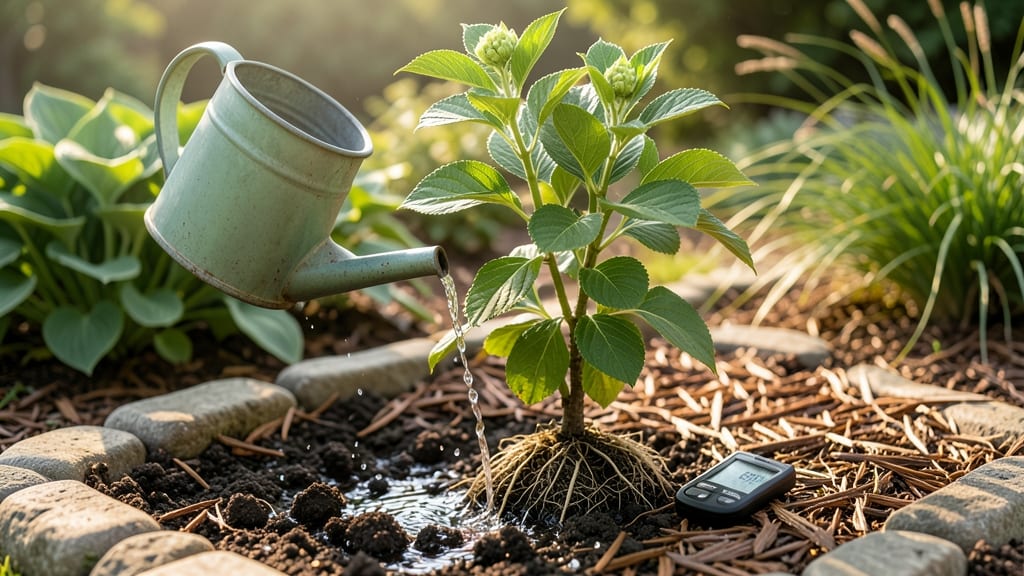
The perfect watering schedule for new shrubs (by soil type)
New shrubs are delicate during their first year, and proper watering is the key to helping them establish strong roots. Unlike mature plants, young shrubs can't handle overwatering or drought—both can stunt growth or even kill them. The biggest factor in your watering routine?
Your soil type. Sandy soil drains too fast, clay holds too much moisture, and loamy soil strikes the perfect balance. Let’s break down the ideal schedule for each type, so you can give your shrubs the care they need without wasting water.
First, always water in the early morning (before 10 AM) to reduce evaporation and fungal risks. Avoid watering at night, as damp foliage invites pests and diseases. Use a slow, deep watering method—like soaker hoses or drip irrigation—to encourage roots to grow downward, where they’ll find stability.
Most new shrubs need about 1-1.5 gallons of water per week, but this changes drastically based on your soil and climate. Let’s dive into the specifics.
If you’re in a hot, dry climate (like USDA zones 8-10), increase watering frequency by 20-30%. For cooler zones (4-7), reduce it by the same amount. Always check soil moisture 1 inch below the surface—if it’s dry, water again.
A simple trick: Stick your finger in the soil; if it feels dry, it’s time to water. For container-grown shrubs, they’ll need watering every 2-3 days in summer, as pots dry out faster than in-ground plantings.
Mulching is a game-changer for new shrubs. Apply 2-3 inches of organic mulch (like shredded bark or straw) around the base to retain moisture and regulate soil temperature. Keep mulch 2 inches away from the trunk to prevent rot.
In clay-heavy soils, mix in compost or sand to improve drainage before planting. For sandy soils, add peat moss or coconut coir to help retain moisture longer.
One common mistake is watering lightly every day. This encourages shallow roots and weakens the shrub. Instead, aim for deep, infrequent watering—think of it like giving your shrub a long drink rather than a quick sip.
For example, a hydrangea in loamy soil might need 3 gallons of water every 4 days in summer, while a boxwood in clay soil could survive on 2 gallons once a week. Always match the watering schedule to the plant’s needs.
Monitor your shrubs for stress signs. Drooping leaves that perk up after watering mean thirst, while yellowing leaves or mushy stems signal overwatering. Adjust your schedule based on what you observe.
If you’re unsure, err on the side of underwatering—most shrubs bounce back faster from drought than from root rot. Pro tip: Group shrubs with similar water needs together in your landscape to simplify care.
In spring and fall, when temperatures are mild, reduce watering to once a week for loamy soil or every 5 days for sandy soil. Winter watering depends on your climate—water monthly in dry winters and skip it entirely if rain is frequent.
Always water at the base of the shrub, not the foliage, to protect leaves from disease. Use a watering wand or hose with a gentle spray to avoid disturbing the soil around new roots.
For drought-tolerant shrubs like lavender or rosemary, cut watering in half once they’re established (after 12 months). But for moisture-loving varieties like azaleas or rhododendrons, keep the soil consistently moist during their first year.
The goal is to mimic the natural rainfall patterns of their native habitat. If you’re planting in full sun, expect to water 20-30% more than in partial shade, as sunlight accelerates moisture loss.
Remember, consistency is key. New shrubs thrive on routine, so set a reminder or mark your calendar. With the right watering schedule, your shrubs will grow into healthy, resilient plants that reward you with years of beauty
5 Signs your new shrubs are overwatered (and how to fix it)
Even with the best intentions, overwatering new shrubs is one of the fastest ways to stunt their growth—or worse, kill them. Unlike drought stress, which shows up as crispy brown edges, excess water creates a suffocating environment for roots, leading to yellowing leaves, mold, and even wilting despite damp soil.
The key is recognizing these 5 warning signs early so you can adjust your watering routine before permanent damage occurs.
Most gardeners assume wilting means thirsty plants, but overwatered shrubs often wilt because their roots can't breathe. This happens when soil stays soggy for days, cutting off oxygen and inviting fungal diseases like root rot.
The good news? Fixing overwatering is simpler than you think—it just requires cutting back on frequency and improving drainage. Let’s break down the symptoms and solutions step by step.
If your shrubs show 2+ signs below, stop watering immediately and let the soil dry out. Root rot can kill a shrub in as little as 3–5 days once it starts. Use a moisture meter to check soil conditions—1–4 on the scale means it’s too wet.
- Yellowing leaves (especially lower leaves)
- Mushy stems or blackened roots
- Foul-smelling soil (like rotten eggs)
- Mold or fungus on soil surface
- Wilting despite damp soil
First, check the color of your shrub’s leaves. Healthy foliage is vibrant, but yellowing leaves, especially on the bottom, are a classic overwatering red flag. This happens because roots suffocate and can’t absorb nutrients.
Start by reducing watering frequency—instead of daily light sprinkles, aim for deep watering every 7–10 days, depending on your soil type. For example, clay soil holds moisture longer, so you’ll need to water less often than sandy soil, which drains quickly.
Next, inspect the soil around your shrubs. If it smells like rot or feels soggy even 2 inches below the surface, you’re overdoing it. Stick your finger in the soil—if it’s damp past your first knuckle, hold off on watering.
To fix this, improve drainage by adding 1–2 inches of organic mulch (like wood chips or compost) around the base, but keep it 2–3 inches away from the stem to prevent rot. This helps soil dry out faster between waterings.
Another dead giveaway? Mold or fungus growing on the soil surface. This grayish or white fuzzy growth is a sign of excessive moisture and poor airflow. Scrape it away and let the area dry out in sunlight for a few hours.
For stubborn cases, sprinkle dried sand or perlite into the soil to improve aeration. Avoid watering at night, as cooler temps slow evaporation, trapping moisture near the roots.
If your shrubs are wilting despite water, the roots may already be damaged. Gently dig around the base (about 6 inches deep) to check for black, mushy roots—a sure sign of root rot.
Trim away any affected roots with sterilized pruners and repot the shrub in fresh, well-draining soil mixed with perlite or vermiculite. After repotting, water lightly only when the top 1–2 inches of soil feel dry to the touch.
Finally, adjust your watering technique. Instead of shallow sprinkles, use a soaker hose or drip irrigation to deliver water directly to the root zone. Water in the early morning (before 10 AM) to allow foliage to dry quickly, reducing fungal risks.
Monitor your shrubs for 3–5 days after adjusting—you should see new growth within a week if the roots are still healthy. If not, consider consulting a local nursery for soil amendments like sulfur or peat moss to restore balance.