
Shrubs
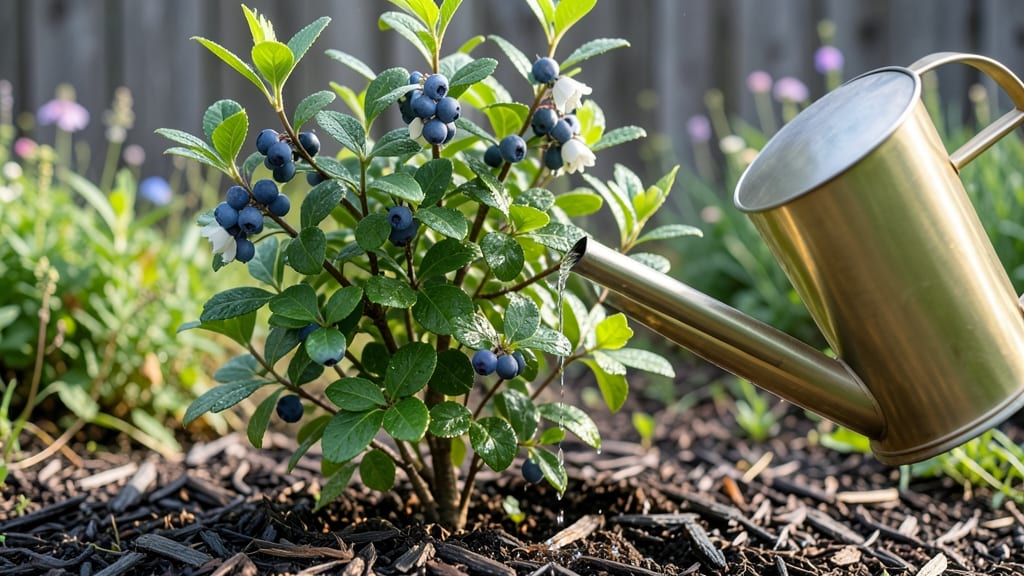
To water blueberry bushes properly, keep the soil consistently moist—not soggy, not dry—because these acid-loving shrubs 🫐 demand steady hydration for sweet berries.
Picture this: you’ve nurtured your blueberry bushes all spring, only to watch the buds shrivel under the summer sun because the soil dried out, or worse, the roots rotted from too much water.
The key to a bountiful harvest lies in understanding when, how much, and how to water without guessing.
Most gardeners overcomplicate it—drip irrigation, soaker hoses, or even hand-watering can work, but the real secret is checking soil moisture 1-2 inches deep before you water. Too often, we assume "watering daily" is enough, only to end up with stunted growth or fungal issues.
In this guide, I’ll break down the exact watering schedule by season, the best methods to avoid common mistakes, and how to adjust for container-grown blueberries. By the end, you’ll know exactly when to reach for the hose—and when to hold back.


How often to water blueberry bushes for optimal soil moisture
Blueberry bushes need consistent moisture to produce sweet, plump berries—but getting the balance right can feel tricky. Too little water stresses the plant, while too much invites root rot and fungal diseases.
The key lies in monitoring soil moisture 1-2 inches deep and adjusting your watering schedule by season. Let’s break down the exact frequency and techniques to keep your blueberries thriving year-round.
Your blueberry bushes thrive when their soil stays evenly moist like a well-wrung sponge—not soggy or bone-dry. In my garden, I’ve learned that seasonal changes dramatically alter watering needs. For example, summer heat demands daily checks, while winter’s chill slows water usage to just once every two weeks.
The goal? Maintain 1-2 inches of damp soil without waterlogging the roots.
🌱 Pro Tip: Use a soil moisture meter or stick your finger into the soil—if it feels dry up to 2 inches, it’s time to water. This simple trick saves me from overwatering mistakes that once led to moldy leaves. Now, let’s dive into the seasonal breakdown.
📊 Seasonal Watering Guide: Below is a comparison table showing how often to water blueberry bushes in each season, along with soil moisture targets and red flags to watch for.
In spring, your blueberry bushes are gearing up for growth, so I water every 3-5 days to encourage root development. Aim for 1-1.5 gallons per plant, focusing on the root zone.
If the soil feels dry beyond 2 inches, it’s time to water again. Yellowing leaves or stunted growth signals underwatering, while mushy stems mean you’re overdoing it.
During summer, heat and drought stress blueberries, so I increase watering to daily or every other day. Use a drip irrigation system or water deeply in the morning to avoid fungal issues.
Watch for yellowing leaves or mold on berries—these are classic signs of overwatering. My trick? Water at the base of the plant and avoid wetting foliage.
As fall arrives, reduce watering to weekly to prep your bushes for dormancy. The soil should only stay slightly moist at the top inch. Overwatering now can lead to root rot before winter sets in.
I also add a 2-inch layer of mulch to retain moisture and protect roots from temperature swings.
In winter, blueberries enter dormancy, so I cut back to bi-weekly watering with just 0.5 gallons per plant. The goal is to keep the soil barely moist—not soggy.
Shriveled buds or frost damage on stems are warning signs that you’re either overwatering or the plant needs better insulation.
For container-grown blueberries, adjust the schedule: small pots need watering every 1-2 days in summer, while larger containers can go 3 days between waterings. Always check soil moisture—containers dry out faster than in-ground plants. I’ve seen containers crack from drought stress when neglected, so never skip this check!
One of my biggest lessons? Morning watering is non-negotiable. It reduces evaporation, prevents fungal spores from spreading, and gives roots time to absorb moisture before the heat of the day. If you must water in the evening, do it at least 3 hours before sunset to avoid damp foliage overnight.
Finally, amend your soil with organic matter like peat moss or compost to improve drainage and moisture retention. Blueberries hate soggy roots, so ensure your planting site has well-draining soil. If your garden soil is heavy clay, consider raised beds or containers for better control over moisture levels.
With this seasonal guide, your blueberry bushes will stay consistently moist without the risks of overwatering or drought. Happy gardening—and enjoy those juicy berries! 🫐
Best watering methods to keep blueberry bushes healthy
Watering blueberry bushes isn't just about keeping the soil damp—it's about delivering moisture deep into the root zone while protecting the plant from fungal diseases like botrytis.
I've found that drip irrigation and hand-watering at the base work best, but the method you choose depends on your garden setup and time availability. The key is consistency without waterlogging the roots, which can suffocate your plants.
For container-grown blueberries, I recommend checking soil moisture daily during summer heat, as pots dry out 3x faster than in-ground plants. Meanwhile, established in-ground bushes need 1-2 inches of water per week, delivered either through slow, deep watering or a well-adjusted irrigation system.
The goal is to mimic natural rainfall patterns while avoiding leaf wetness, which invites fungal spores.
💧 Blueberry Watering Essentials
Pro Tip: Use mulch (pine needles or straw) to retain moisture and acidify soil naturally.
My go-to method for in-ground blueberries is drip irrigation with emitters placed 6-12 inches from the plant base. This delivers water slowly and directly to the roots while keeping foliage dry. If you're hand-watering, use a soaker hose or watering wand to direct the stream at the soil surface.
The critical rule is to water deeply enough that moisture reaches 12 inches down—this encourages deep root growth, which makes your bushes more drought-resistant over time.
For mulching strategies, I swear by pine straw or wood chips because they not only conserve moisture but also slowly acidify the soil as they break down—a natural boost for blueberries that love acidic conditions (pH 4.5-5.5).
Spread a 3-4 inch layer around the base (but keep it 2 inches away from the trunk to prevent rot). Replenish mulch annually in spring, and you'll see less watering needed and healthier soil over time.
Seasonal adjustments are everything. In summer heat, I water every other day (or daily during heatwaves), while in spring and fall, weekly deep watering suffices. Winter is the easiest—reduce to bi-weekly unless you're in a drought-prone area.
Always check soil moisture by sticking your finger 2 inches deep: if it's dry, water; if it's damp, wait. This simple test saves thousands of blueberries from splitting or rotting.
One common mistake I see is watering at night, which promotes fungal growth. Always water in the early morning so leaves have all day to dry. Also, avoid overhead sprinklers—they waste water by evaporating quickly and spread disease by wetting foliage.
If you must use a sprinkler, aim for short bursts and water only the base of the plant. With these methods, my blueberry bushes produce bountiful harvests year after year.