
Succulent
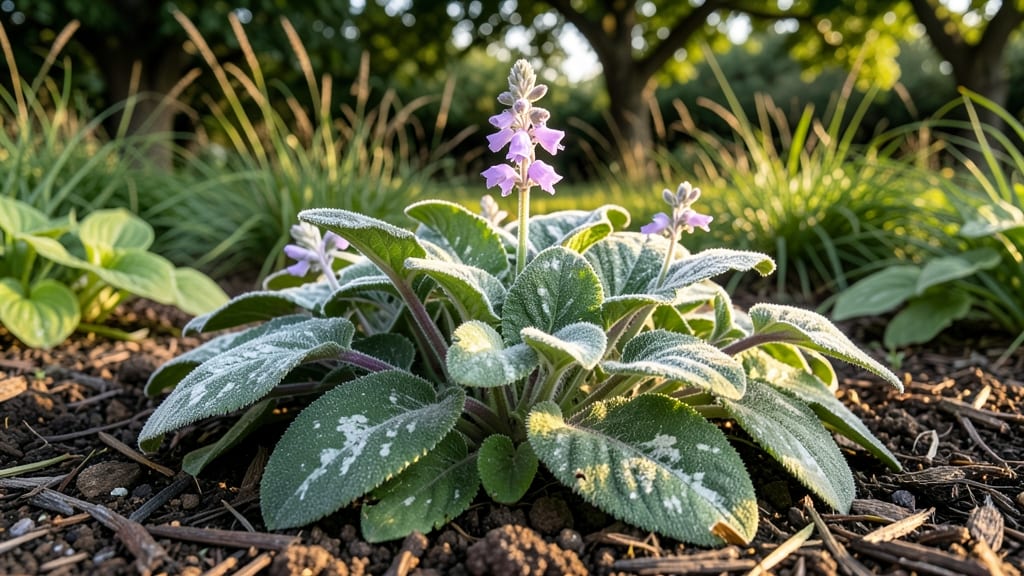
That fuzzy leaf weed creeping into your garden isn't just unsightly—it's stealing nutrients and space from your prized plants. 🌱 I've wrestled with it for years, and here's how I finally tamed it without harsh chemicals or endless pulling sessions.
The key is fast identification: most fuzzy-leafed "weeds" like lamb's quarters are edible greens, while true invaders (like milkweed) serve pollinators. Pull only the ones crowding your garden—look for rapid growth and seed pods. A sharp hoe or vinegar spray works best for stubborn patches.
What you'll end up with is a garden where beneficial plants thrive, not just weeds. The fuzzy-leafed survivors? Let them be—they're often more useful than you think. My garden now has fewer weeds and more pollinator-friendly plants than ever.
This method works for vegetable beds, flower borders, and even container gardens. The secret is acting before the weeds go to seed—once they do, you're fighting a losing battle.
📚 In This Guide
- What you need
- Instructions
- Tips and common mistakes
- Wrapping up and next steps
What you need
- ● Fuzzy leaf weed cuttings: 10–20 healthy, 4–6 inch long cuttings (preferably from a thriving plant).
- ● Well-draining potting mix: 5 gallons (for planting) or 2–3 gallons per cutting (for propagation). Opt for a blend of cactus/succulent soil mixed with perlite or coarse sand (ratio: 60/40).
- ○ Rooting hormone (optional but recommended): A small bottle (e.g., Clonex or Dip ‘N Grow).
- ● Containers: 4–6 inch pots (1 per cutting) or a shallow tray (for bulk propagation). Ensure they have drainage holes!
- ● Spray bottle: 8–16 oz with a fine mist nozzle (for hydration).
- ● Pruning shears or sharp scissors: Sterilized to avoid disease (e.g., Fiskars bypass pruners).
- ○ Gloves (optional): Lightweight gardening gloves to protect hands from minor prickles.
- ● Trowel or small shovel: For transplanting (if planting directly in the ground).
- ○ Misting fan (optional): Helps create humidity for faster rooting (e.g., 120mm USB fan).
- ○ Sunlight gauge: A light meter (optional) to track 4–6 hours of bright, indirect light daily.
- ● Climate: Warm, dry conditions (ideal temp: 70–85°F). Avoid frost or high humidity.
- ● Location: A spot with partial shade to full sun (after rooting, gradual sun exposure is key!).
- ● Water source: Room-temperature, chlorine-free water (let tap water sit for 24 hours if needed).
- ● Patience: Root growth takes 2–4 weeks—consistency is everything!
Step-by-Step guide to growing fuzzy leaf weed for fast privacy
Here's how to cultivate this rapid-growing, thornless plant for quick, lush coverage.
🌱 Step 1: Select the Right Location and Prepare the Soil
Fuzzy leaf weed thrives in partial shade to full sun, but morning sun with afternoon shade produces the densest, softest foliage. Avoid heavy clay soil—this plant struggles with poor drainage. Amend your soil with 2-3 inches of compost mixed into the top 12 inches of ground. Work it in until the soil feels light and crumbly, like a well-aerated cake batter.
Test your spot by digging a 6-inch deep hole—if water pools after 10 minutes, you need to improve drainage by adding sand or gravel to the bottom of the planting area. Fuzzy leaf weed hates soggy roots, so this prep step prevents future rot. I like to mark the edges with landscape fabric to contain the roots and keep weeds at bay.
🌿 Step 2: Plant Cuttings at the Right Time and Depth
Spring or early summer is ideal for planting 4-inch cuttings—they establish roots quickly in warm soil. Dig a hole twice as wide as the root ball but only as deep as the container it came in. Press the plant in gently until the top of the root ball sits just below soil level. This ensures the stem stays above ground to prevent rot.
Space plants 3-4 feet apart for fast coverage. If you're planting a hedge, stagger the rows like bricks to create a seamless wall. Water deeply right after planting—1 gallon per plant—to settle the soil and encourage root spread. You'll see new growth within 7-10 days if conditions are right.
☀️ Step 3: Water Deeply but Infrequently
Fuzzy leaf weed is drought-tolerant once established, but young plants need consistent moisture for the first 4-6 weeks. Water once a week with 2-3 gallons per plant, soaking the soil to a depth of 6 inches. Check moisture by sticking your finger 2 inches deep—if it feels dry, water again.
Here's the thing—this plant hates overhead watering. Use a soaker hose or drip irrigation to deliver water at the base. Wet leaves invite fungal diseases, and fuzzy leaf weed is particularly susceptible. You'll know you're doing it right when the soil stays evenly moist but never soggy.
✂️ Step 4: Prune for Density and Shape
Pruning is where you get fast, thick growth. Trim back one-third of the new growth in early summer to encourage bushier foliage. Use clean, sharp shears to cut just above a leaf node—this is where new branches will sprout. Regular pruning also keeps the plant thornless and soft, which is why gardeners love it for privacy screens.
Shape your hedge by trimming the top and sides evenly. I like to do this twice a year—once in late spring and again in early fall. Avoid heavy pruning in winter, as new growth may not harden off before cold snaps. After each trim, fertilize lightly with a balanced 10-10-10 to support recovery.
🌿 Step 5: Maintain for Long-Term Growth
Once established, fuzzy leaf weed needs minimal care. Mulch around the base with 2-3 inches of wood chips to retain moisture and suppress weeds. This also keeps the soil temperature stable, which is key for consistent growth. Reapply mulch annually in early spring.
Watch for yellowing leaves—this usually means overwatering or poor drainage. If you see it, cut back on water and check the soil. Brown tips, on the other hand, signal underwatering or dry air. Mist the leaves occasionally in hot, dry weather to keep them lush. With proper care, your hedge will fill in within a single growing season, giving you that fast privacy you're after.
Tips & tricks for perfect fuzzy leaf weed growth
Want that lush, thornless privacy screen in record time? These insider tips will help you grow fuzzy leaf weed like a pro.
Soil Prep Secret: The 10-minute drainage test in Step 1 is your best friend. If water pools after 10 minutes, you're not done yet—keep adding sand or gravel until water drains completely within that time. I've seen soggy soil turn this plant into a sad, yellow mess, but proper drainage keeps it thriving. Think of it as giving your plants a spa day for their roots!
Planting Depth Matters: When planting those 4-inch cuttings in Step 2, don't bury them too deep. The top of the root ball should sit just below soil level—any deeper and you risk stem rot. I learned this the hard way after losing three cuttings to over-planting. A good trick is to draw a line on the container before planting, then match that level in the hole.
Watering Wisdom: Those 2-3 gallons per plant in Step 3 should go deep, not wide. Use your finger to check soil moisture 2 inches down—if it's dry, water again. I've found that early morning watering (before 9 AM) gives plants time to dry slightly before evening, reducing fungal risks. And remember: soaker hoses are your new best friend for even moisture distribution.
Pruning Payoff: The one-third trim in Step 4 isn't just about shape—it's about forcing the plant to grow bushier. Cut just above a leaf node (that little bump where leaves grow), and you'll see new branches sprouting within weeks. I prune twice a year, but if you're in a hot climate, you might need a third trim in late summer to keep the plant from getting leggy.
Pro Tips for Fuzzy Leaf Weed
- Want that lush, thornless privacy screen in record time?
- Soil Prep Secret: The 10-minute drainage test in Step 1 is your best friend.
- Planting Depth Matters: When planting those 4-inch cuttings in Step 2, don't bury them too deep.
Frequently asked questions
Got questions about growing fuzzy leaf weed for a lush, thornless privacy screen?
You’re not alone! Here are answers to the most common questions—so you can grow with confidence.
Is fuzzy leaf weed really thornless?
Yes! Unlike many succulents or cacti, fuzzy leaf weed (Sedum morganianum) is naturally thornless and soft to the touch. Its fuzzy, trailing leaves make it perfect for hands-off privacy hedges or hanging planters. Just avoid pinching stems—it stays gentle while growing fast!
How long does it take to fill in a privacy screen?
Fuzzy leaf weed grows aggressively—expect 1–2 feet of coverage per year with ideal care. A 3-foot-tall screen can take 12–18 months from planting, but pruning tips (like trimming leggy stems) speeds up density. Patience pays off with a lush, cascading curtain!
Can I grow fuzzy leaf weed in full shade?
While it tolerates partial shade, fuzzy leaf weed thrives in bright, indirect light (4–6 hours daily). Full shade slows growth and may cause stretchy, sparse leaves. For shady spots, supplement with a grow light or place it near a north-facing window.
How do I keep pests away from fuzzy leaf weed?
Mealybugs and spider mites love fuzzy leaf weed! Prevent issues by:
- Spray leaves with neem oil monthly (diluted).
- Wipe stems with soapy water if pests appear.
- Avoid overwatering—dry soil deters pests.
What’s a good alternative if fuzzy leaf weed grows too slowly?
If you need faster coverage, try:
- String of Turtles (Peperomia prostrata) – Similar trailing habit, quicker spread.
- Creeping Fig (Ficus pumila) – Hardier but needs more water.
- Hoya Kerrii (Sweetheart Plant) – Fast-growing, thornless, and drought-tolerant.
Wrapping up and next steps
Growing fuzzy leaf weed for a lush, thornless privacy screen is totally within your reach—just follow the right techniques! With the right soil, sunlight, and a little patience, you’ll enjoy fast, dense growth that transforms any space.
Whether you’re a beginner or a seasoned gardener, this resilient plant rewards effort with stunning, low-maintenance beauty.
Ready to take the next step? Start small—plant a few cuttings or seeds today, and watch your privacy hedge thrive! 🌱 For even better results, experiment with pruning or companion plants to boost growth. Happy gardening!