
Orchid Care
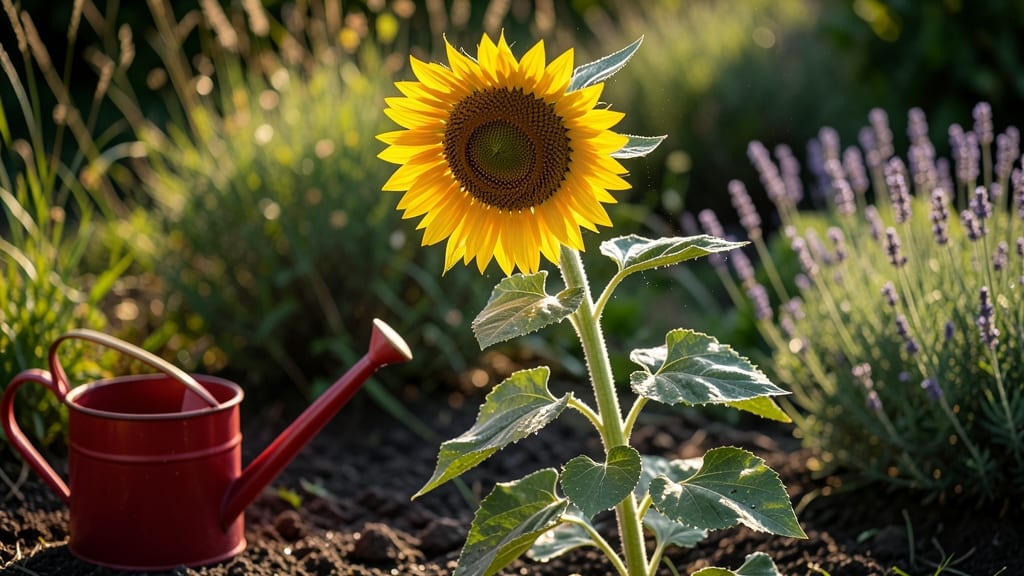
Giving sunflowers 🌻 the right amount of water is the secret to towering stalks and bold blooms—not just a random splash at the hose.
Sunflowers may seem low-maintenance, but watering them wrong can turn your towering dreams into droopy disappointments. Too little, and their roots struggle; too much, and you risk rot. The key? Deep, consistent hydration that matches their growth stage.
In this guide, I’ll break down the exact watering schedule for seedlings, budding plants, and flowering giants—plus how to adjust for drought, clay soil, or scorching summer heat.
You’ll learn when to water, how deep to go, and what to watch for so your sunflowers reach their full potential without a single wilt.
Whether you’re a beginner or a seasoned gardener, these science-backed tips will help you grow sunflowers that stand tall and proud all season long.


How often to water sunflowers for maximum growth and disease prevention
Sunflowers thrive on consistency, but their watering needs shift dramatically as they grow—from delicate seedlings to towering giants. Overwatering can drown roots, while underwatering stunts growth and invites pests. The key is matching your watering schedule to their growth stage, soil type, and climate.
Let’s break down the science-backed approach to keep your sunflowers hydrated without waterlogged.
Young sunflower seedlings need moist but not soggy soil to prevent damping-off disease. As they mature, their roots grow deeper, allowing them to access water more efficiently. Flowering sunflowers become surprisingly drought-tolerant, but neglecting them can reduce seed production. The secret? Deep, infrequent watering that encourages strong root systems.
| Growth Stage | Watering Frequency | Depth | Soil Moisture Goal | Warning Signs |
|---|---|---|---|---|
| Seedling (0-4 weeks) | Every 2-3 days | 1-2 inches | Consistently moist | Wilting, yellowing leaves |
| Vegetative (4-8 weeks) | Every 3-5 days | 4-6 inches | Top 2 inches dry | Stunted growth, drooping |
| Flowering (8+ weeks) | Every 5-7 days | 8-12 inches | Deeply moist | Premature wilting, small buds |
To test soil moisture, stick your finger 2 inches deep—if it feels dry, it’s time to water. For sandy soil, which drains quickly, water more frequently but shallowly. Clay soil holds moisture longer, so reduce frequency but increase depth.
Always water at the base of the plant to avoid fungal diseases like powdery mildew.
During hot summer months, sunflowers may need daily watering if temperatures exceed 90°F (32°C). Look for drought stress signs like curled leaves or a hollow-sounding stem when tapped.
If you see these, increase watering immediately and mulch to retain moisture. Morning watering is ideal—it reduces evaporation and gives leaves time to dry before nightfall.
Overwatering is just as harmful as underwatering. Yellowing leaves or a mushy stem signal root rot, a fatal condition. If your soil feels soggy or water pools around the base, cut back immediately.
Let the top 1-2 inches dry out between waterings for mature plants. Drip irrigation or soaker hoses are perfect for delivering water directly to roots without wetting foliage.
Mulching with straw or wood chips locks in moisture and regulates soil temperature. Apply a 3-inch layer around each plant, keeping it 2 inches away from the stem to prevent rot.
This simple step can reduce watering needs by 30-50% while keeping soil consistently moist. For container-grown sunflowers, check soil moisture daily—they dry out faster than in-ground plants.
Adjust your watering schedule based on rainfall and humidity. In humid climates, reduce frequency to prevent fungal growth. In arid regions, water deeply every 2-3 days and mulch heavily.
Always prioritize deep watering over frequent shallow sessions—this trains roots to grow downward, creating stronger, more resilient plants.
When sunflowers reach mature height (6+ feet), they’re more drought-tolerant but still benefit from weekly deep watering during dry spells. Stop watering entirely 2-3 weeks before harvest to allow seeds to dry properly.
Proper hydration throughout their lifecycle ensures taller stalks, bigger blooms, and higher seed yields—making your watering efforts truly rewarding.
Remember, sunflowers are forgiving but not forgetful. Consistency is key—whether you’re a beginner or a seasoned gardener. With this stage-by-stage approach, your sunflowers will reach their full potential, standing tall and proud in your garden. 🌻💧☀️
Deep watering techniques that prevent sunflower wilting and root rot
Sunflowers thrive when their roots dive deep for moisture, but shallow watering creates weak stems and invites root rot. The key? Deep watering—a technique that encourages strong root systems and prevents wilting during peak growth.
Unlike frequent light watering, deep watering mimics natural rainfall patterns, pushing roots downward where they can access nutrients and moisture.
When done correctly, deep watering helps sunflowers reach their 10-16 foot potential while staying resilient against drought. But timing and method matter—water too late in the day, and you risk fungal diseases; use the wrong tools, and you waste water.
Let’s break down the science-backed techniques that keep your sunflowers hydrated and healthy.
⚠️ Critical Mistake Alert: Watering for Sunflowers
Never water sunflowers at night—this traps moisture on leaves, creating the perfect conditions for powdery mildew and root rot. Evening watering also stresses plants by preventing transpiration, which cools them naturally. Morning watering (before 10 AM) is ideal because it gives foliage time to dry, reducing fungal risks while ensuring roots absorb moisture efficiently.
For deep watering, I recommend using a soaker hose or drip irrigation system, which delivers water slowly at the base of the plant. This method avoids wetting leaves and encourages roots to grow deeper.
Aim for 1-2 inches of water per week, delivered in one session rather than multiple shallow ones. For example, a mature sunflower needs about 1,500-2,000ml of water per week, depending on soil type and temperature.
If you’re using a watering can or hose, dig a small trench around the plant’s base and direct the water there. This ensures moisture reaches the root zone rather than running off. Avoid overhead sprinklers, as they waste water and promote leaf diseases.
Pro tip: Water deeply once a week during dry spells, but adjust based on your soil—sandy soil drains faster and may need more frequent deep watering.
Common mistakes to avoid include overwatering young seedlings, which can suffocate roots, and underwatering during flowering, which causes buds to drop. Watch for signs like yellowing leaves (overwatering) or wilting despite moist soil (underwatering).
Mulching with straw or wood chips helps retain moisture and regulate soil temperature, reducing the need for frequent watering.
For container-grown sunflowers, check soil moisture daily—pots dry out faster. Use a moisture meter or stick your finger 2 inches into the soil; if it’s dry, water until it runs out the drainage holes.
Deep watering in containers means saturating the entire root ball, not just the top layer. With these techniques, your sunflowers will grow tall, strong, and disease-free.
Remember, the goal is to stress-test your sunflowers just enough to encourage deep roots without causing wilting. Adjust your watering schedule based on weather—hotter days mean more frequent deep watering, while cooler weather allows you to space it out.
Your sunflowers will thank you with vibrant blooms and towering stalks! 🌻