
Neem Oil
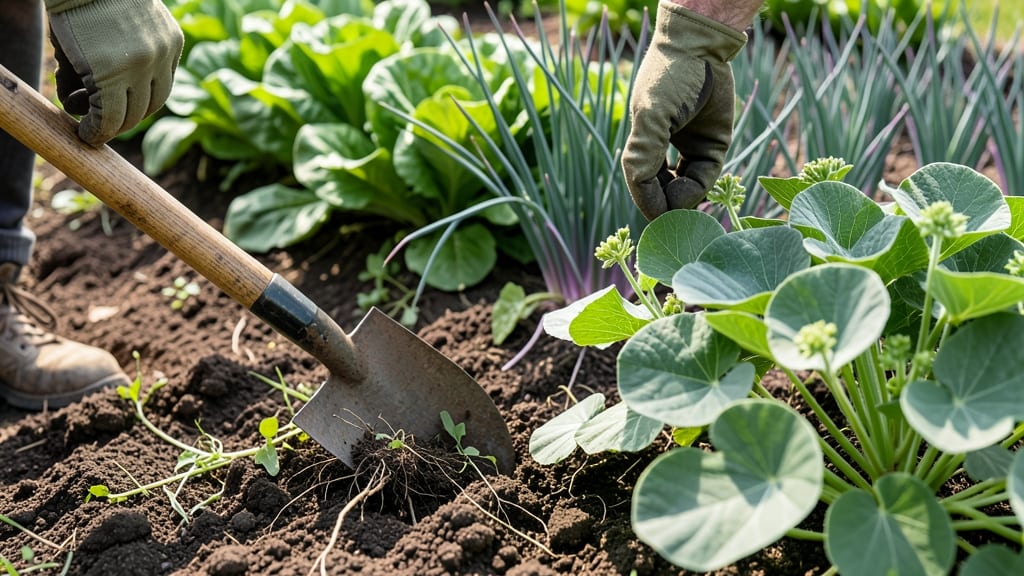
A weeder hoe turns weeding from a backbreaking chore into a 5-minute task—if you use it right. 🌱 I’ve spent years wrestling with weeds by hand until I discovered how to wield this simple tool like a pro. The secret? Timing, technique, and knowing exactly where to slice.
Start with damp soil (after rain or watering), when weeds pop up easily. Angle the hoe’s sharp edge at a 45-degree slant, then slice just beneath the weed’s base—no digging required. One smooth motion severs roots without disturbing nearby plants.
My garden beds now stay weed-free with half the effort and zero chemical residue. Common mistakes? Pressing too hard (it dulls the blade) or chopping too deep (you’ll nick roots of your crops). Master the shallow cut, and you’ll see weeds topple like dominoes. The best part?
Your back stays happy while the weeds stay gone—no more kneeling in the dirt for hours. This isn’t just a tool; it’s your new weed management system. Pair it with mulch and regular passes, and you’ll spend less time pulling weeds and more time enjoying your garden.
Ready to try it?
📚 In This Guide
- What you need
- Instructions
- Tips and common mistakes
- Wrapping up and next steps
What you need
- ● Weeder hoe: A sturdy, ergonomic design (e.g., stainless steel or hardened steel) with a sharp, 5–7-inch blade (e.g., Warrior or Radius Garden brands). Pro tip: A D-handle reduces strain!
- ● Work gloves: Heavy-duty, grip-enhanced gloves (e.g., Mechanix or Filson) to protect hands from thorns and blisters.
- ● Knee pads: Foam or gel-filled pads (e.g., Gorilla Grip) for comfort during long sessions.
- ● Water source: A hose or bucket (5+ gallons) to rinse off dirt/debris mid-task.
- ● Trash bag or compost bin: For disposing of weeds (avoid composting invasive species!).
- ● Sun protection: Wide-brimmed hat + UPF-rated long sleeves.
- ● Back support belt: For extended use (e.g., TheraBand lumbar belt).
- ● Portable stool: Folding stool (e.g., Husky) for breaks.
- ● Weed torch or vinegar spray: For post-hoeing stubborn weeds (use cautiously!).
Step-by-Step instructions for mastering the weeder hoe
Here's my go-to method for weeding like a pro—no more stooping or sore knees.
🪴 Step 1: Choose the Right Hoe for Your Garden
Select a stiff-bladed weeder hoe (like a stirrup hoe or warrior hoe) for tough weeds or a lightweight, narrow-blade version for delicate garden beds. The blade should be 4-6 inches wide—wide enough to cut cleanly but narrow enough for precision. I always check the handle length too; a 24-30 inch handle keeps your wrists straight and reduces strain.
Test the weight first. A hoe that feels too heavy will make you rush, while one that’s too light won’t cut weeds effectively. Stand over your garden and grip the handle—your arms should feel supported, not exhausted after a few swings. If you’re working in tight spaces, a short-handled hoe (around 18 inches) gives better control.
☀️ Step 2: Position Yourself and the Hoe Correctly
Stand with your feet shoulder-width apart and knees slightly bent—this keeps your center of gravity low and prevents back strain. Hold the hoe handle with both hands, gripping it 6-8 inches from the top for stability. The blade should angle slightly forward (about 10-15 degrees) as you push it into the soil.
Start with the hoe blade just below the soil surface—you want to slice through weed roots without digging too deep. Push forward with firm, even pressure, letting the blade’s edge do the work. Think of it like shaving: a sharp, controlled motion, not a hacking chop. You’ll feel resistance when the blade hits a weed’s root—that’s your cue to pause and lift slightly to sever it cleanly.
✂️ Step 3: Cut Weeds at the Root Level
Focus on young weeds first—they’re easier to remove and less likely to regrow. As you push the hoe forward, angle the blade downward slightly to slice just beneath the weed’s base. You’ll see the weed lift slightly as the root breaks free; that’s the moment to pull it out with your fingers if needed. For stubborn weeds, make two shallow passes on either side of the weed to sever the roots completely.
Watch for weed regrowth after cutting—if you leave even a tiny root fragment, the weed will sprout back. I always do a quick scan of the area after weeding to spot any missed roots. If the soil is dry, a light mist with water helps expose hidden weeds for easier removal next time.
💧 Step 4: Work in Sections for Efficiency
Divide your garden into small sections (about 2-3 feet wide) and tackle one at a time. This keeps you from getting overwhelmed and ensures you don’t miss spots. Start at the outer edges of the bed and work inward, so you’re not stepping on freshly weeded areas. I like to weave the hoe back and forth in parallel lines, about 1-2 inches apart, to cover the entire section without overlap.
Take breaks every 10-15 minutes to stretch your wrists and shoulders—weeding is a repetitive motion, and stiffness can slow you down. Keep a small hand trowel nearby for weeds too close to plants or in tight corners where the hoe won’t fit. The goal is to spend no more than 20-30 minutes per section, so you stay energized and consistent.
🌱 Step 5: Maintain Your Hoe for Longevity
After each session, clean the blade with a stiff brush to remove dirt and debris—this prevents rust and keeps the edge sharp. Store the hoe in a dry place (like a shed or garage) to avoid moisture damage. If the blade starts to dull, hone it with a file or take it to a sharpening service; a sharp hoe cuts weeds cleanly and requires less effort.
Check the handle periodically for cracks or splinters, especially if you’ve dropped it or used it on rocky soil. A secure handle is non-negotiable—it’s your connection to the tool, and wobble can throw off your aim. I also like to oil the blade occasionally (with mineral oil) to protect it from oxidation, especially if I’m using it in wet or sandy soil.
Tips & tricks for mastering your weeder hoe
Real talk: The difference between a quick weeding session and an exhausting chore often comes down to these small details.
Blade Angle is Everything: In Step 2, when positioning your hoe, that 10-15 degree forward angle isn't just a suggestion—it's what lets the blade slice cleanly through roots. I learned this the hard way after struggling with a flat blade that just pushed weeds deeper. For delicate plants, reduce the angle slightly to avoid accidental damage to their roots. The key is to keep the blade just below the soil surface where weed roots live, not digging down where your plants' roots are.
The Two-Pass Technique for Stubborn Weeds: When Step 3 mentions making two shallow passes for stubborn weeds, I'm serious about those passes being shallow. The first slice should be on one side of the weed, the second on the other—imagine making a tiny "V" cut just beneath the weed's base. This method works because it severs the root completely without disturbing nearby plants. I've found this especially helpful for dandelions where a single pass often leaves root fragments behind.
Section Size Matters: Those 2-3 foot wide sections in Step 4 aren't arbitrary—they're designed to keep you focused. When I first tried weeding larger areas at once, I'd miss spots or get distracted. Working in smaller sections also makes it easier to maintain consistent pressure and angle. Pro tip: Use garden flags or stakes to mark where you've finished to avoid double-work. And trust me on this—those 10-15 minute breaks aren't optional. Your wrists will thank you later.
Pro Tips for Use A Weeder Hoe
- Real talk: The difference between a quick weeding session and an exhausting chore often comes down to these small details.
- Blade Angle is Everything: In Step 2, when positioning your hoe, that 10-15 degree forward angle isn't just a suggestion—it's what lets the blade slice cleanly through roots.
- The Two-Pass Technique for Stubborn Weeds: When Step 3 mentions making two shallow passes for stubborn weeds, I'm serious about those passes being shallow.
Frequently asked questions
Got questions about mastering your weeder hoe? You’re not alone! Here are some of the most common queries—plus quick, no-fluff answers to keep your gardening game sharp.
What’s the best time of day to use a weeder hoe for maximum efficiency?
The ideal window is early morning or late afternoon when soil is slightly damp (but not muddy) and weeds are still pliable. Avoid midday heat—it can make the soil hard and your work twice as tough. Pro tip: Water lightly the night before if your soil is bone-dry.
Can I use a weeder hoe on rocky or hard-packed soil?
Not without prep! Rocky or compacted soil can dull blades or damage your hoe. Loosen the ground first with a broadfork or by hand, then work the hoe in shallow passes. For stubborn areas, try a stiff-bladed model or a d-handle weeder for better leverage.
What’s the difference between a weeder hoe and a stirrup hoe? Which should I buy?
A weeder hoe has a narrow blade for precision (perfect for targeting individual weeds), while a stirrup hoe has a U-shaped blade for slicing weeds at the soil line. Choose a weeder hoe if you’re tackling small patches or delicate plants; opt for a stirrup hoe for larger beds or heavy weed loads.
Why does my weeder hoe keep getting stuck or bending? How do I fix it?
Stuck or bent hoes usually mean wrong angle, dull blade, or heavy pressure. Sharpen the blade with a file, adjust your grip (hold it flat to the soil, not angled), and push, don’t pull. If it’s still bending, switch to a reinforced steel model or use shorter, controlled strokes.
Are there eco-friendly alternatives to a weeder hoe for small gardens?
Try hand-pulling with gloves (best for small weeds), a boiling water treatment (pour on weed roots), or a vinegar-based herbicide (mix 1 gallon vinegar + 1 cup salt + 1 tbsp dish soap). For organic gardens, a copper weeder or flame weeder (propane torch) are also effective.
Wrapping up and next steps
Mastering the weeder hoe is your ticket to a neat, weed-free garden—without the strain! With the right technique, you’ll save time, protect your back, and keep your plants thriving. Start small, practice your strokes, and soon you’ll be weeding like a pro. 🌱
Ready to take it further? Try neem oil for stubborn weeds or explore organic mulching to cut down on future weeding. Your garden (and your back) will thank you!