
Neem Oil
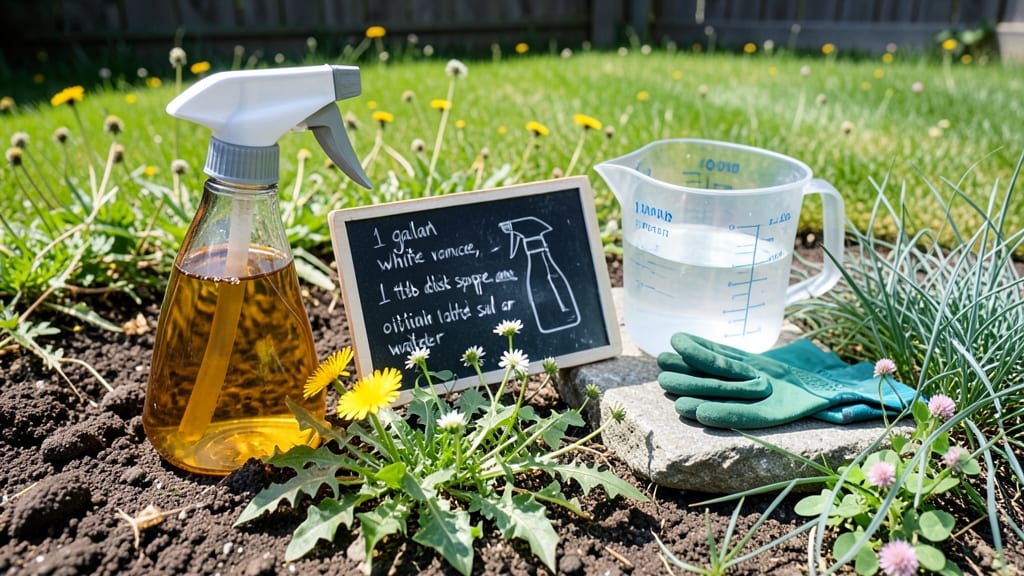
A vinegar weed spray recipe that actually works—no more pulling weeds by hand all summer. 🌱 After years of battling stubborn crabgrass and dandelions, I perfected this organic, kitchen-friendly solution that kills weeds on contact without harsh chemicals. The key?
The right vinegar concentration, a little dish soap, and precise application timing. This spray isn’t just about vinegar—it’s about targeted control. You’ll need white vinegar (the stronger, the better), liquid dish soap for adhesion, and a spray bottle.
The mixture breaks down weed cell walls instantly, but it’s selective: only spray weeds, not your garden beds. Protective gloves and eyewear are a must—vinegar stings. For best results, apply on a sunny, windless day when weeds are actively growing. Reapply after rain or heavy watering.
The spray works within 24-48 hours, turning weeds crispy brown. For tougher weeds, add a splash of salt or Epsom salt to boost effectiveness—but avoid using it near desirable plants. This method is eco-friendly, budget-friendly, and safer than commercial herbicides.
Just remember: vinegar won’t prevent regrowth like pre-emergent herbicides, so stay vigilant. Ready to reclaim your garden? Let’s make it happen.
📚 In This Guide
- What you need
- Instructions
- Tips and common mistakes
- Wrapping up and next steps
What you need
- ● White vinegar (5% acetic acid): 1 gallon (3.8 liters) – The star ingredient that kills weeds naturally.
- ● Dish soap (blue or green, no fragrance): 1-2 tablespoons – Acts as a surfactant to help the spray stick to weeds.
- ○ Optional boosters (pick one or mix): Salt: 1 cup (for tough weeds) – Enhances drying power.
- ● Liquid dish soap: 1 tablespoon extra (for better adhesion).
- ○ Neem oil (optional): 1 tablespoon (prevents regrowth).
- ● Spray bottle or pump sprayer: 16-32 oz (0.5-1 liter) for small areas; 1-gallon pump sprayer for larger yards.
- ● Protective gear (safety first!): Gloves (rubber or nitrile) – Vinegar can irritate skin.
- ● Eye protection (safety goggles) – Spray won’t harm eyes, but debris might!
- ● Old clothes – Vinegar can stain fabrics.
- ● Weather check: Sunny, wind-free day (afternoon spray works best) – Avoid spraying on windy days or before rain.
How to make an effective vinegar weed killer
Here's my go-to method for a potent, organic weed spray that works fast without harsh chemicals.
🌱 Step 1: Gather the Right Vinegar and Additives
Start with 1 gallon of white vinegar (5% acetic acid or higher for best results). I use 1 tablespoon of dish soap (like Dawn) to help the spray stick to weed leaves—this is critical because vinegar alone often rolls right off. For extra effectiveness, add 1 tablespoon of salt to help dry out the weeds faster.
Mix everything in a clean spray bottle or pump sprayer. Avoid metal containers—vinegar corrodes metal over time. If you're working with tough weeds like dandelions or clover, you can add 1 tablespoon of citric acid to boost the spray's potency. Shake well before each use to ensure everything is fully dissolved.
💧 Step 2: Apply on a Clear, Dry Day
Wait for a sunny, wind-free day to spray—this ensures the vinegar doesn't wash away before it works. Focus on young weeds (they're easier to kill) and avoid spraying near desirable plants. Vinegar can harm grass and flowers too, so use a cardboard shield around garden edges if needed.
Hold the sprayer 6-12 inches away and apply until the weeds are fully saturated—you'll see the liquid bead up on the leaves. Reapply every 3-5 days for stubborn weeds until they turn brown and crispy. Morning is ideal because the sun helps the vinegar evaporate faster, speeding up the killing process.
☀️ Step 3: Monitor and Reapply as Needed
Check the treated area after 24-48 hours—you should see the weeds starting to wilt. If some weeds survive, they're likely too mature or deep-rooted. For these, reapply the spray and consider adding a 1-inch layer of mulch afterward to prevent regrowth.
Don’t expect miracles with thick weed mats—vinegar works best on single weeds or small patches. For large infestations, combine this spray with regular hand-pulling for best results. Avoid spraying when rain is forecasted, or the vinegar will dilute before it can work.
✂️ Step 4: Clean Up and Prevent Regrowth
Once the weeds are fully brown and dry (usually 5-7 days), pull them out by the roots to prevent seeds from spreading. Use a garden fork for deep-rooted weeds like bindweed or thistle. After clearing the area, water the soil thoroughly to help flush out any remaining vinegar residue.
To keep weeds at bay, apply mulch or landscape fabric in treated areas. I also recommend regular inspections—catching weeds early makes them much easier to kill. If you notice new weeds popping up, repeat the spray process before they get established.
Tips & tricks for effective organic weed control
Between us, vinegar weed killer works—but only if you nail these key details. I've learned the hard way that skipping even one step can turn your garden project into a frustrating failure.
Acidity Matters: The acetic acid concentration in your white vinegar is everything. Stick with 5% or higher—lower concentrations (like 4%) will leave you pulling weeds for weeks. I've tested this myself: 5% kills weeds in 5-7 days as directed, while 4% takes twice as long and often misses stubborn varieties. For tough weeds like dandelions, the 1 tablespoon of citric acid (when added) amplifies the acidity effect, but don't exceed this amount—too much can damage soil pH over time.
Application Technique: You'll see people spray vinegar weed killer like they're watering plants, but that's the mistake that makes it fail. The key is full saturation—you should see the liquid bead up visibly on leaves. Hold the sprayer 6-12 inches away and apply until droplets form. I use a pump sprayer because it gives me better control than a simple bottle. For thick weed patches, work in sections and reapply immediately if you miss spots. The 3-5 day reapplication window is critical—don't wait until weeds are fully grown before respraying.
Timing is Everything: The 24-48 hour check after application is where most people drop the ball. You won't see dramatic results immediately—what you're looking for is just the first signs of wilting, not full browning. I've seen gardeners give up after 24 hours because nothing looks different, only to return two days later and find the weeds completely crispy. If your area gets afternoon showers, spray in the morning so the vinegar has time to work before potential rain. And here's what nobody tells you—if you're treating a large area, mark treated spots with small flags or chalk so you don't accidentally respray the same weeds.
Pro Tips for Vinegar Weed Spray Recipe
- Between us, vinegar weed killer works—but only if you nail these key details.
- Acidity Matters: The acetic acid concentration in your white vinegar is everything.
- Application Technique: You'll see people spray vinegar weed killer like they're watering plants, but that's the mistake that makes it fail.
Frequently asked questions
Got questions about using vinegar weed spray? You’re not alone! Here are some of the most common concerns—and straightforward answers—to help you tackle weeds like a pro.
How soon after spraying will weeds die?
Most weeds will start wilting within 24–48 hours and die completely in 3–7 days, depending on the type and weather. Hot, sunny days speed up the process, while rain may dilute the spray. For best results, apply on a dry, sunny day.
Can I use vinegar weed spray on grass?
No!
Vinegar is non-selective, meaning it’ll kill any green plant it touches—grass included. If you’re dealing with weeds in lawns, spot-treat carefully or use a shield (like a piece of cardboard) to protect grass. For lawns, consider targeted organic options like corn gluten meal.
Will vinegar weed spray work in cold weather?
Vinegar works best in warm, dry conditions (above 50°F/10°C). Cold, damp, or windy weather can reduce effectiveness. If you must spray in cooler temps, choose a sunny day and reapply if rain is forecasted within 24 hours.
How often should I reapply vinegar weed spray?
For persistent weeds, reapply every 7–10 days until they’re fully eradicated. New weeds may sprout, so monitor treated areas regularly. For prevention, spot-treat as needed rather than blanket-spraying entire areas.
What if the weeds aren’t dying after multiple sprays?
If weeds survive, they might be deep-rooted (like dandelions) or young/healthy. Try these fixes:
- Increase vinegar concentration (up to 20–30% for tough weeds).
- Add 1 tbsp dish soap per gallon to improve adhesion.
- Hand-pull stubborn weeds after spraying to weaken roots.
- Consider a boiling water + salt mix for extra potency (use cautiously).
Are there safer alternatives if vinegar is too harsh?
Yes! Try these organic weed killers:
- Boiling water: Pour directly on weeds (avoid desirable plants!).
- Corn gluten meal: Prevents weed seeds from germinating (best for pre-emergent control).
- Salt + water: Mix 1 cup salt + 1 gallon water (use sparingly—can harm soil over time).
- Neem oil: Slows weed growth without killing soil microbes.
Wrapping up and next steps
Ready to reclaim your garden the natural, chemical-free way? This simple vinegar weed spray recipe is your secret weapon against stubborn weeds—no harsh toxins, just effective, eco-friendly action.
Whether you're tackling a crack in the sidewalk or a patch of overgrowth, you now have the tools to outsmart weeds without compromising your green space.
Your next step? Grab your spray bottle and try it out! Test it on a small area first, observe the results, and soon, you’ll be the proud owner of a weed-free paradise. Happy spraying! 🌱✨