
Pests and Diseases
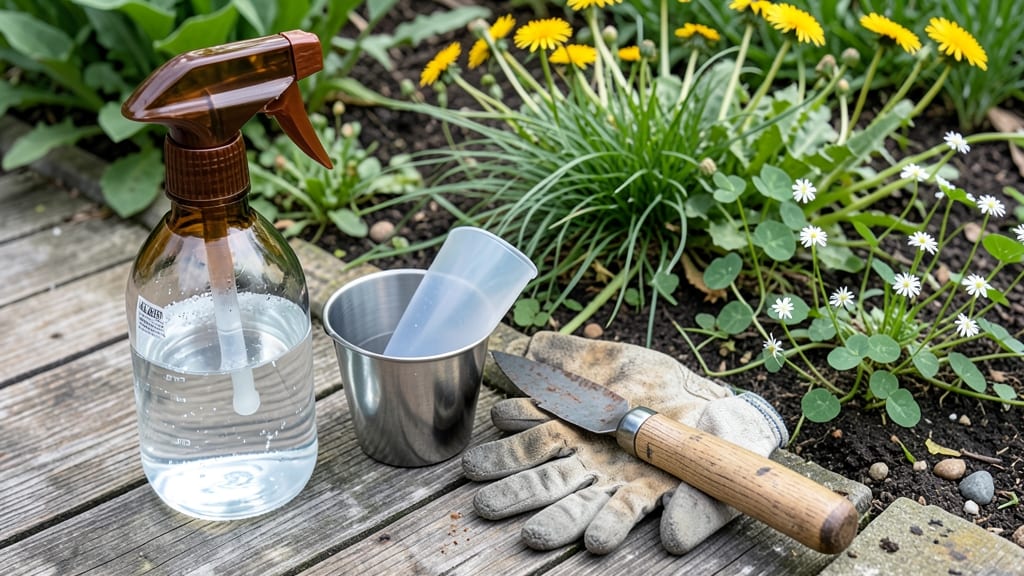
Vinegar weed killer destroys unwanted plants by dissolving their cell walls through acetic acid, but you must use it carefully to protect nearby plants and soil health. For best results, apply a 10-20% vinegar solution on sunny days.
Vinegar's effectiveness comes from its high acidity—typically 5% to 8% acetic acid—which disrupts plant cell membranes, causing weeds to wilt and die within hours. 🌱 The key is timing: sunlight amplifies the vinegar's potency by opening plant pores, while dry conditions prevent dilution.
However, this same acidity can harm desirable plants, so always apply vinegar weed killer on windless days and avoid overspraying. I've found that adding a drop of dish soap helps the solution stick to weeds better, while salt can enhance results for tougher invaders like dandelions.
For best results, mix your solution in a spray bottle and apply it directly to the weeds—never the soil—on a clear, sunny day. Reapply every 3-5 days for stubborn weeds, but always monitor nearby plants for signs of stress.
The acetic acid can also alter soil pH over time, so use vinegar weed killer sparingly in garden beds where you plan to grow plants.
💡 In This Article
- How Vinegar Kills Weeds: The Science Behind Its Effectiveness
- Best Vinegar Weed Killer Recipes and Application Tips
How vinegar kills weeds: the science behind its effectiveness
Vinegar weed killer works primarily through acetic acid, which at concentrations above 5% acts as a desiccant. This means it dehydrates plants by disrupting their cell membranes, causing them to lose moisture and wilt within hours.
The acetic acid molecules break down the lipid bilayer of plant cells, creating holes that prevent water and nutrients from passing through—effectively suffocating the weed at a cellular level. 🔥 For comparison, household vinegar typically contains only 5% acetic acid, while commercial weed killer solutions often use 20-30% for faster, more aggressive results.
The pH level of vinegar (around 2.0-3.0) plays a critical role too. Most weeds thrive in neutral to slightly alkaline soil (pH 6.0-7.5), but vinegar's extreme acidity disrupts their metabolic processes. This includes inhibiting photosynthesis by damaging chloroplasts—the green pigment-containing structures that convert sunlight into energy.
Sunlight actually enhances vinegar's effectiveness because it causes plant stomata (pores) to open wider, allowing the acetic acid to penetrate deeper into the plant tissue.
Why do weeds die faster than some plants? It comes down to their root systems. Weeds often have shallow, fibrous roots that absorb vinegar quickly, while deeper-rooted plants like trees or perennials can sometimes survive because their roots remain unaffected.
However, repeated applications or overspray can still harm these plants over time. The key is precision—targeting only the weeds while shielding surrounding vegetation with cardboard or mulch.
One fascinating detail is how vinegar affects different plant types. Broadleaf weeds like dandelions and clover are particularly vulnerable because their large surface area absorbs the solution efficiently.
Grasses, however, have a waxy cuticle that makes them slightly more resistant, though a 20% vinegar solution will still kill them within 24-48 hours. The difference lies in the plant's ability to regulate water loss and repair cell damage.
Temperature also influences vinegar's performance. Warmer conditions (75-85°F) accelerate the chemical reaction, while cooler temperatures slow it down. This is why late spring or summer is the ideal time to use vinegar weed killer—both the heat and dryness maximize its effectiveness.
Always apply it on a sunny day when weeds are actively photosynthesizing, as this makes them more susceptible to the acetic acid's destructive effects.
Finally, vinegar's impact isn't just limited to the plant itself. Over time, repeated applications can alter soil pH, making it more acidic. While this might kill weeds, it can also harm beneficial microorganisms and future plantings.
For garden beds, it's best to use vinegar weed killer sparingly or focus on non-vegetative areas like driveways and sidewalks where you won't be planting anything soon.