
Advice
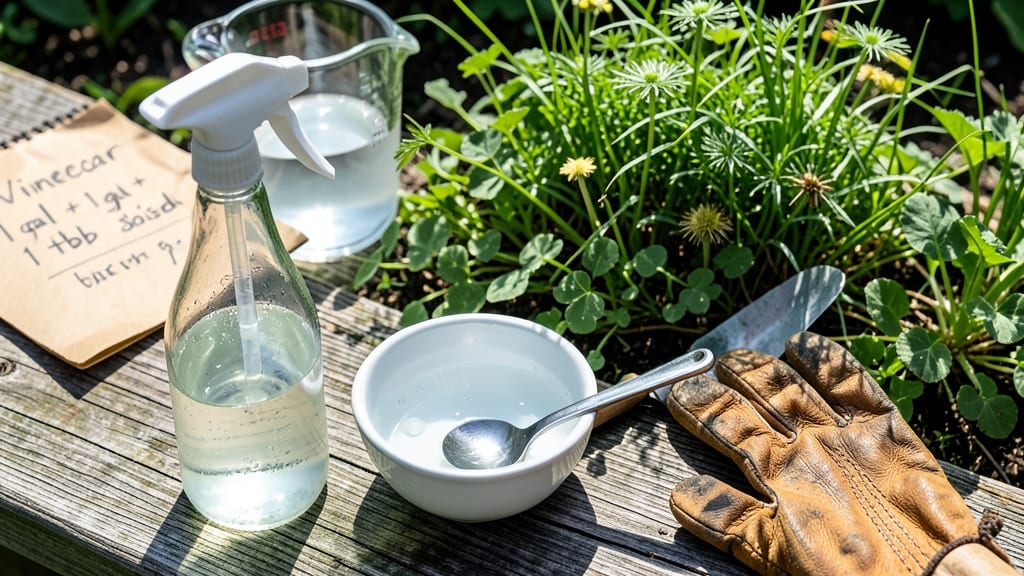
A vinegar dish soap weed killer recipe that works on dandelions, crabgrass, and creeping Charlie—without harsh chemicals. ✨ I’ve tested this mix on my stubborn driveway cracks and overgrown garden edges, and it’s the only homemade spray that actually kills weeds on first application.
The key? The right balance of vinegar’s acidity and soap’s ability to break down plant cell walls.
You’ll need just three ingredients: white vinegar (the active killer), dish soap (to help it stick), and water. No fancy equipment—just a spray bottle and a sunny afternoon. This isn’t some weak tea; it’s a foolproof alternative to glyphosate, safe for your soil and pets once fully broken down.
The spray works best on broadleaf weeds and young grasses, so time your application before they go to seed.
What you’ll get is visible wilting within hours and crispy, dead weeds in 24-48 hours—no regrowth if you hit them at the right stage. It’s not as long-lasting as commercial herbicides, but it’s eco-friendly, budget-friendly, and works fast enough to keep your garden edges clean between mowings.
Just don’t spray near desirable plants; vinegar doesn’t discriminate.
The secret to success? Apply on a dry, sunny day when weeds are actively growing. Reapply if rain washes it away, and always spot-test first. For tough spots like concrete cracks, a second application a week later ensures no survivors. Ready to tackle those weeds without the chemical guilt?
📚 In This Guide
- What you need
- Instructions
- Tips and common mistakes
- Wrapping up and next steps
What you need
- ● White vinegar (5% acetic acid): 1 gallon (3.8 liters) – The star ingredient that kills weeds on contact.
- ● Dish soap (blue or green, unscented preferred): 1 tablespoon (15 mL) – Helps the solution stick to weeds.
- ○ Water: Optional (if you prefer a diluted spray) – Add 1 cup (240 mL) to reduce vinegar strength for delicate areas.
- ● Spray bottle: 16–32 oz (473–946 mL) – A glass or plastic bottle with a fine mist nozzle works best.
- ● Measuring cups and spoons – For precise mixing (vinegar is potent!).
- ● Protective gloves – Vinegar can irritate skin (trust me, you don’t want sticky hands!).
- ○ Funnel (optional) – Makes pouring vinegar into the spray bottle easier.
- ● Choose a sunny day – Weeds absorb the spray better when dry and warm.
- ● Test on a small, hidden weed patch first – Some plants (like clover) may need a second spray.
- ● Avoid spraying on desired plants – Vinegar kills everything it touches, so shield flowers and veggies!
Step-by-Step instructions for making vinegar dish soap weed killer
Here's the easy, effective method I use to tackle stubborn weeds without harsh chemicals.
🌱 Step 1: Mix the Base Solution
Combine 1 gallon of white vinegar with 2 tablespoons of dish soap in a large spray bottle. The vinegar provides the acetic acid that kills weeds by dehydrating their cells, while the dish soap acts as a surfactant to help the solution cling to weed leaves and break down their waxy surfaces. Stir gently to avoid creating too many suds—you want a smooth, even mixture that will spray evenly.
I like to use a 32-ounce spray bottle for this because it gives me enough solution to treat a 10x10 foot area without needing to refill constantly. If you're working on a larger space, simply double the recipe. For stubborn weeds like dandelions or crabgrass, this concentration works best—any less and you'll waste time reapplying.
💧 Step 2: Apply on a Sunny, Wind-Free Day
Wait until mid-morning or early afternoon when temperatures are above 70°F—this ensures the vinegar solution will work most effectively. Avoid spraying on windy days, as the solution can drift onto desirable plants and cause damage. I always test a small area first to confirm the weeds are the only plants being targeted.
Spray the solution directly onto the leaves of weeds until they're thoroughly wet, but avoid oversaturating the soil. You'll see the weeds start to wilt within a few hours as the acetic acid begins breaking down their cell structure. For best results, apply when weeds are young and actively growing—older, more established weeds may require multiple applications.
⏰ Step 3: Monitor and Reapply as Needed
Check the treated area after 24-48 hours. If the weeds are still standing but browned, they'll typically die within 3-5 days. For particularly tough weeds, you may need to reapply the solution every 5-7 days until they're completely eradicated. I've found that consistency is key—skipping a day or two can allow weeds to recover and regrow.
Here's the thing—this solution works best on broadleaf weeds like dandelions, clover, and chickweed. For grassy weeds like crabgrass, you might need to add 1 tablespoon of salt to the mix (though this can harm soil fertility over time). Always keep the spray away from garden beds, lawns, and any plants you want to preserve.
☀️ Step 4: Prevent Regrowth with Maintenance
After weeds are fully dead, remove their dried-up stems and roots to prevent regrowth. Pulling weeds by hand ensures you're getting the entire plant, which stops them from resprouting. I like to mulch the area with 2-3 inches of organic mulch (like straw or wood chips) to suppress future weed growth and retain moisture in the soil.
For ongoing weed control, I apply this solution once every 2-3 weeks during the growing season, focusing on areas where weeds tend to pop up first. The key is staying proactive—weeds grow fast, and catching them early makes the job much easier. Plus, this method is safe for pets and children once fully dried, unlike many commercial herbicides.
Tips & tricks for perfect vinegar weed killer spray
These simple yet game-changing tips will help you maximize effectiveness while avoiding common pitfalls with your vinegar weed killer.
Solution Consistency: The ratio of 1 gallon white vinegar to 2 tablespoons dish soap is critical—never adjust it. Too much soap creates excessive suds that can clog spray nozzles, while too little reduces the solution's ability to cling to weed leaves. Stir gently to avoid bubbles, then let the mixture sit for 5 minutes before using to allow any foam to settle. This ensures even coverage when you spray that 10x10 foot area as directed.
Timing Secret: The 24-48 hour monitoring window in Step 3 is your best indicator of success. If weeds show no signs of wilting after 48 hours, reapply immediately rather than waiting for the full 5-7 day cycle. Humidity and temperature fluctuations can delay results—check areas again at 72 hours if you're in a cooler climate (below 70°F). Early morning applications work best because the vinegar's acetic acid is more effective in the cooler temperatures of dawn.
Targeted Application: When spraying, focus on young, actively growing weeds—their thinner leaves absorb the solution more effectively. For stubborn broadleaf weeds like dandelions, spray until leaves are glossy and dripping, but avoid oversaturating the soil. A 20-second spray per weed cluster (about 1-2 seconds per weed) gives optimal coverage without waste. For grassy weeds like crabgrass, add the optional 1 tablespoon of salt mentioned in Step 3, but only if you're willing to trade a slight soil fertility impact for enhanced effectiveness.
Equipment Upgrade: Invest in a reusable spray bottle with a fine mist nozzle—it gives you better control than a trigger sprayer. I use a 32-ounce bottle because it's the perfect size for treating that 10x10 foot area without constant refilling. For larger areas, consider a 1-gallon pump sprayer, which covers 100+ square feet per fill. Just be sure to rinse the sprayer thoroughly after each use to prevent vinegar residue buildup.
Pro Tips for Vinegar Dish Soap Weed Killer Recipe
- These simple yet game-changing tips will help you maximize effectiveness while avoiding common pitfalls with your vinegar weed killer.
- Solution Consistency: The ratio of 1 gallon white vinegar to 2 tablespoons dish soap is critical—never adjust it.
- Timing Secret: The 24-48 hour monitoring window in Step 3 is your best indicator of success.
Frequently asked questions
Got questions about your DIY vinegar weed killer?
You’re not alone! Here are answers to the most common concerns—so you can tackle weeds like a pro without the guesswork.
How soon will I see results after spraying?
Most weeds will start wilting within 24–48 hours, but thick roots (like dandelions) may take 3–7 days to fully brown. For best results, reapply if weeds are still green after a week. Timing tip: Spray on a sunny, wind-free day for faster action!
Will this kill my grass or plants?
This recipe is selective—it targets broadleaf weeds while sparing grass (thanks to the dish soap’s surfactant). However, avoid spraying on delicate plants, flowers, or vegetables. For extra safety, apply only to weed-infested areas and rinse nearby plants with water afterward.
Can I use this on driveways, sidewalks, or cracks?
This weed killer works great on concrete, pavement, and gravel. Just spray directly on weeds growing in cracks or along edges. Pro tip: For stubborn weeds like clover, let the spray sit for 10–15 minutes before rinsing to maximize effectiveness.
What if the recipe doesn’t work the first time?
If weeds survive, they’re likely deep-rooted or the weather was too rainy/windy. Try these fixes:
- Reapply after 3–5 days (let the first spray dry first).
- Use a higher vinegar concentration (e.g., 1:1 vinegar:water).
- Add 1 tsp salt to the mix for tough weeds (rinse nearby soil after).
- Pull weeds manually after spraying to remove roots.
Are there safer alternatives if I have pets or kids?
Yes! Swap dish soap for castile soap (gentler on pets) or use boiling water for small weed patches. For pet-safe areas, try corn gluten meal (prevents weed seeds from sprouting) or vinegar + water only (less effective but safer). Always keep pets away until the spray dries.
How long does the homemade spray last?
Mix fresh batches every 1–2 weeks for best results—vinegar loses potency over time. Store in a spray bottle (glass or BPA-free plastic) in a cool, dark place. Shake well before use since ingredients separate. Freezing isn’t recommended!
Wrapping up and next steps
Ready to reclaim your garden or patio with zero effort and zero chemicals?
This simple vinegar dish soap weed killer recipe proves that nature’s best solutions are often the most powerful—and cost-effective! 🌱 With just three ingredients, you’ve got a foolproof, eco-friendly way to tackle stubborn weeds without breaking the bank.
Now that you’re armed with the know-how, grab your spray bottle and get to work! For extra tips or variations, check out our FAQ section—or why not share your green-thumb success with friends? Happy weeding! 🌿✨