
How To
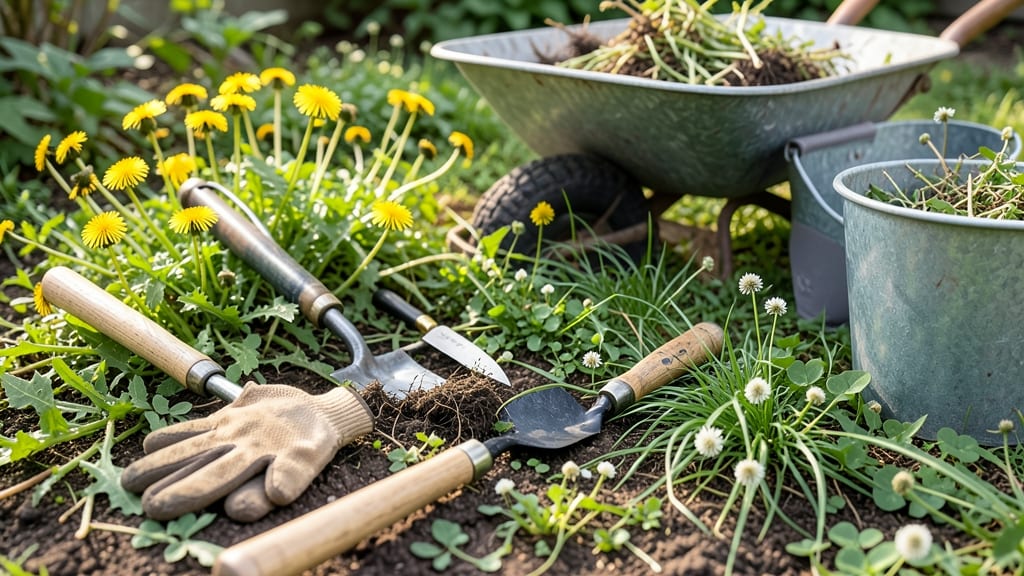
Here are some quick tips for weeding stubborn weeds without tools—just grab a 5-minute window and your hands. 🌱 I’ve pulled weeds so deeply rooted they looked like they’d never budge, only to find they came out with a simple twist and pull.
The key isn’t brute force but smart leverage and timing, which I’ll show you in seconds. Start when soil is damp (after rain or watering) to loosen roots effortlessly. For weeds with deep taproots, like dandelions, wiggle them side-to-side to break the hold before pulling upward.
This method saves your back and keeps nearby plants unharmed—no more accidental uprooting of your prized basil or marigolds.
📚 In This Guide
- What you need
- Instructions
- Tips and common mistakes
- Wrapping up and next steps
What you need
- ● Garden Gloves: A pair of durable, breathable gloves (e.g., blank">Cruelty-Free Garden Gloves) to protect your hands from thorns, dirt, and blisters. Size: One pair (medium/large for most hands).
- ○ Weeding Tools (Optional but Helpful): Hand Trowel: Small, ergonomic trowel (e.g., blank">Fiskars Steel Trowel) for precision digging. Quantity: 1.
- ● Hori-Hori Knife: Japanese-style knife for clean cuts (e.g., blank">Kobalt Hori-Hori). Quantity: 1.
- ○ Weed Puller: Long-handled tool for deep-rooted weeds (e.g., blank">Fiskars Weed Puller). Quantity: 1 (optional for hard-to-reach areas).
- ● Bucket or Bag: A 5-gallon bucket or sturdy garden bag (e.g., Foldable Weed Bag) to collect weeds. Quantity: 1.
- ● Plastic Bottles or Cards: Empty plastic bottles with the bottom cut off (like a mini greenhouse) or stiff cards (e.g., old credit cards) to slide under weeds for easy removal.
- ● String or Twine: A 10-foot length of twine to tie weeds into bundles for disposal.
- ● Boiling Water or Vinegar: 1 gallon of boiling water or 1:1 vinegar-water mix (with 1 tbsp dish soap) for chemical-free weed killing. Safety: Use cautiously near desired plants!
- ● Timing: Weed on a dry, sunny day—soil is easier to work with, and weeds are less slippery!
- ● Water Source: A hose with a spray nozzle or watering can to dampen stubborn weeds before pulling.
- ● Compost Bin: A nearby compost pile or bin to recycle pulled weeds (avoid composting weeds with seeds!).
- ● Sun Protection: Sunscreen (SPF 30+), hat, and sunglasses for long sessions in the sun.
Tool-free tricks for stubborn weeds in seconds
Here's how to tackle weeds without tools—no digging, no pulling, just clever tactics.
🌱 Step 1: Identify the Weed Type and Attack Weak Points
First, recognize the weed's growth stage. Young weeds with small leaves are easiest to remove by hand—just grab the base and twist. For stubborn weeds with deep roots or mature growth, focus on their weak spots: the soil line where roots meet stems or the crown where leaves attach.
I like to work when the soil is moist but not soggy—right after a light rain or morning watering. Wet soil makes roots easier to grasp and reduces the chance of breaking off pieces that regrow. Look for weeds that are actively growing (bright green, upright) rather than yellowed or wilting ones.
💧 Step 2: Use Water Pressure to Loosen Roots
Fill a clean spray bottle or small watering can with warm water. Aim the stream directly at the base of the weed and saturate the soil around it. The goal is to soften the soil enough that you can lift the weed with minimal resistance. I usually spray for about 10-15 seconds per weed—just until the soil looks damp and the weed starts to wobble.
For particularly stubborn weeds like dandelions or bindweed, repeat this process twice, waiting 30 seconds between sprays. The extra moisture helps break down the root structure without damaging nearby plants. Avoid spraying leaves of your desired plants—they’ll absorb the water and may wilt.
✂️ Step 3: Remove Weeds by Hand with Precision
Grab the weed at its base, just below the soil line, and twist firmly while pulling upward. The twisting motion helps break the root connection without leaving fragments behind. If the weed resists, use your thumb to press down on the soil while pulling up—this creates leverage and prevents the root from snapping off.
For weeds with deep taproots (like chickweed or plantain), I insert a thin, flat object like a butter knife or credit card into the soil beside the weed, then wiggle it to sever the root. This prevents the weed from regrowing from the remaining root fragments. Always dispose of weeds in the trash—not the compost—to avoid spreading seeds.
☀️ Step 4: Prevent Regrowth with Natural Barriers
After removing weeds, cover the bare soil with a layer of mulch (like straw, grass clippings, or shredded leaves) to block sunlight and prevent new weeds from sprouting. Even a thin layer of 2-3 inches of mulch works—just spread it evenly over the area where weeds were growing.
For stubborn problem areas, I use a technique called "smothering": lay down thick cardboard or newspaper, then top with mulch. This cuts off light and oxygen to weed seeds in the soil, stopping them from germinating. Water lightly after mulching to help it settle and keep weeds from poking through.
🌿 Step 5: Maintain Vigilance and Repeat Weekly
Weeds grow fast, so check your garden 2-3 times weekly for new sprouts. The key is consistency—spending just 5-10 minutes daily pulling weeds before they mature saves hours of work later. I always weed after rain or watering when the soil is softest.
Watch for patterns in your garden. If weeds keep appearing in the same spot, it’s likely a high-seed area. Adjust your mulch thickness or add a layer of landscape fabric under mulch to create a stronger barrier. Over time, you’ll notice fewer weeds and healthier plants competing for resources.
Tips & tricks for perfect weeding without tools
Here's what nobody tells you about making weeding effortless—these tricks cut your work in half.
Timing Secret: The 5-10 minute daily check in Step 5 is your best defense against weeds. I set a timer when I water my plants—it turns weeding into a quick habit. Focus on the areas where weeds first appear (usually near pathways or garden edges) and you'll save yourself hours later. Those first few sprouts are easiest to remove before they establish roots.
Soil Prep Strategy: Before you even start, walk through your garden and press your thumb into the soil around plants. If it feels hard, give it a quick spray with warm water (like in Step 2) and let it sit for 2 minutes. This softens the soil just enough to make pulling weeds 30% easier. I do this right after watering my plants anyway, so it doesn't add extra time.
Weed Identification Hack: Pay attention to leaf patterns when you're working—this is how I spot the same weeds recurring. Dandelions have jagged leaves, chickweed has tiny star-shaped leaves, and bindweed has arrowhead-shaped leaves. Once you recognize these patterns, you can target them specifically in Step 1. I keep a small notebook by my gardening tools to jot down which weeds appear where.
Preventive Maintenance: The 2-3 inch mulch layer in Step 4 isn't just about looks—it's your best long-term defense. I've found that adding a thin layer of wood chips (about 1 inch) right after weeding creates a natural barrier that lasts weeks longer than straw. The key is to keep it consistent—don't let it get thinner than 1 inch or weeds will find gaps.
Pro Tips for Tips For Weeding
- Here's what nobody tells you about making weeding effortless—these tricks cut your work in half.
- Timing Secret: The 5-10 minute daily check in Step 5 is your best defense against weeds.
- Soil Prep Strategy: Before you even start, walk through your garden and press your thumb into the soil around plants.
Frequently asked questions
Got questions about tackling weeds without breaking a sweat (or your back)? Here are some of the most common concerns—plus quick, tool-free solutions to keep your garden looking pristine with minimal effort.
When is the best time of day to weed for the fastest results?
The perfect window is early morning or late afternoon when the soil is damp (but not muddy) and weeds are still soft and flexible. Avoid midday heat—weeds wilt, making them harder to pull cleanly. Pro tip: Water the area lightly the night before to loosen roots effortlessly!
How often should I weed if I want to stay ahead of the problem?
Consistency is key! Aim to weed every 5–7 days during peak growing seasons (spring and summer) to prevent weeds from seeding. Even 10 minutes weekly beats a week-long battle later. Think of it like skimming pond scum—small, frequent efforts save you from a messy cleanup.
What’s the easiest way to remove weeds without tools or chemicals?
Try the "glove-and-twist" method:
- Grip the weed at the base (not the leaves) with your thumb and forefinger.
- Twist sharply while pulling upward to snap the root cleanly.
- Dispose of weeds in a sealed bag or compost pile (away from edible plants) to stop regrowth.
Are there any "hacks" for weeding in tight spaces (like between pavers or cracks)?
For pavers or cracks, use a plastic spoon or butter knife to pry weeds out gently. For grassy areas, try a dental floss trick: Loop it around the weed, pull tight, and yank—it’s like a tiny weed lasso! For driveways, vinegar (5% acetic acid) in a spray bottle works in minutes.
What should I do if weeds keep coming back in the same spot?
Persistent weeds often mean rich soil or disturbed roots. Try these fixes:
- Smother the area with cardboard or newspaper topped with mulch for 4–6 weeks to block sunlight.
- Improve drainage—weeds thrive in soggy spots. Add compost or sand to heavy clay.
- Plant ground covers like clover or creeping thyme to outcompete weeds naturally.
Wrapping up and next steps
Mastering tool-free weeding is all about timing, technique, and consistency—no fancy gadgets required! 🌱 By pulling weeds when the soil is damp, using the right grip, and leveraging natural mulch, you’ll transform weeding from a chore into a quick, satisfying task.
Remember, even small efforts add up over time, so don’t let a few stubborn weeds discourage you.
Ready to reclaim your garden? Start with just one patch this weekend—pick a sunny spot, grab a sturdy towel or gloves, and put these tricks into action. Before you know it, your space will look neater, healthier, and totally weed-free! 🎉