
Neem Oil
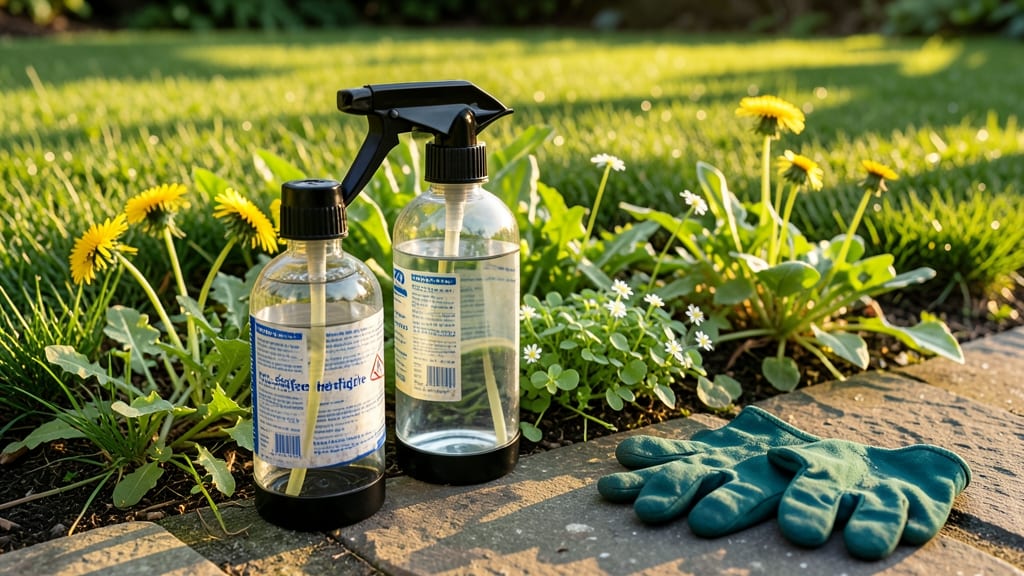
This weed-killing spray isn’t just another spray—it's the organic powerhouse that stops weeds without poisoning your soil or plants. 🌱 I've used it to clear stubborn crabgrass and clover from my garden beds without harming my tomatoes or marigolds, and the results are impressive: weeds wilt and die within days while my vegetables keep thriving.
The secret lies in its dual action: it smothers existing weeds with a protective film while disrupting their growth hormones. Unlike harsh chemicals, neem oil breaks down safely, leaving your garden ready for planting within 24 hours.
You'll need a 1-2% concentration, a spray bottle, and calm weather for best results—no wind, no rain. What you'll end up with is a weed-free garden that stays that way with weekly maintenance during peak growing seasons.
The earthy scent fades quickly, and your flowers will bloom brighter than ever without chemical residue. Works for vegetable gardens, flower beds, and even patios—just avoid spraying on hot days when neem oil can burn delicate plants. Here's how to do it right the first time.
📚 In This Guide
- What you need
- Instructions
- Tips and common mistakes
- Wrapping up and next steps
What you need
- ● Neem oil (100% cold-pressed, organic): 16 oz (1 pint) – Look for Azadirachta indica oil with at least 1000 ppm azadirachtin.
- ● Water: 1 gallon (3.8 liters) – Use distilled or dechlorinated water for best results (let tap water sit for 24 hours or add 1 tbsp vinegar per gallon).
- ● Spray bottle or pump sprayer: 1-2 gallon capacity – Opt for a plastic or metal sprayer (avoid aluminum if mixing with vinegar).
- ● Measuring cups and spoons: For precise mixing (1/4 cup, 1 tbsp, 1 tsp).
- ● Mixing container: 2-3 gallon bucket – Use a dedicated container for mixing (avoid food-grade containers unless thoroughly cleaned).
- ● Gloves (nitrile or rubber): 1 pair – Protects your skin from neem oil and weeds.
- ● Eye protection (safety goggles): 1 pair – Essential when spraying to avoid irritation.
- ● Weather check: Mild, dry conditions (50–85°F / 10–30°C) with no rain forecast for 24–48 hours.
- ● Dish soap (mild, like Castile soap): 1 tsp – Acts as an emulsifier to help the neem oil mix better with water.
- ● Vinegar (white or apple cider): 1/4 cup – Boosts weed-killing power (use only with neem oil, not as a standalone spray).
- ● Horticultural oil or vegetable oil: 1 tbsp – Enhances the spray’s sticking power on tough weeds.
- ● Label or marker: For labeling your spray mix (especially if storing for later use).
- ● Old clothes or apron: To protect your outfit from stains.
- ● Pruners or hoe: For clearing dense weed growth before spraying.
Step-by-Step guide to making a powerful neem oil weed killer
Here's how I create a natural, effective spray that tackles even the toughest weeds without harming your plants.
🌱 Step 1: Gather the Right Materials
You'll need 1 cup neem oil, 1 tablespoon dish soap (unscented), 1 gallon water, and a spray bottle (16-ounce or larger). The dish soap acts as an emulsifier, helping the neem oil mix thoroughly with water. I always use a glass or plastic spray bottle—metal can react with the mixture over time, reducing effectiveness.
Double-check your neem oil label to confirm it's 100% cold-pressed and organic. Some commercial blends contain additives that may harm plants. Fill your spray bottle with the 1 gallon of water first—this makes mixing easier and prevents spills.
💧 Step 2: Mix the Solution Properly
Pour the 1 cup of neem oil into the spray bottle, followed by the 1 tablespoon of dish soap. Seal the bottle and shake vigorously for 30 seconds to break up the oil. You'll see the mixture turn cloudy—this confirms the oil and soap are emulsifying correctly.
Let the mixture sit for 5-10 minutes before shaking again. This resting period allows the oil to fully disperse. If you see oil droplets separating, shake once more. The solution should now be uniformly milky—this consistency ensures even coverage when spraying.
☀️ Step 3: Apply on the Right Conditions
Wait until early morning or late afternoon to spray, when temperatures are between 60-85°F. Avoid spraying in direct sunlight or extreme heat, as this can cause the solution to evaporate too quickly and reduce effectiveness. Lightly mist the weeds first to help the spray adhere to their leaves.
Focus on the leaves and stems of the weeds, applying until they're glistening but not dripping. For stubborn weeds like dandelions or crabgrass, apply the spray twice with a 3-day interval—this ensures the neem oil penetrates deeply and disrupts their growth cycles.
✂️ Step 4: Monitor and Reapply as Needed
Check the treated area after 3-5 days. You'll see weeds slowing growth or turning yellow—this is the neem oil working. For best results, reapply every 7-10 days until the weeds are fully eradicated. Avoid spraying on windy days, as the solution can drift onto desirable plants.
If you notice any leaf burn or discoloration on your intended plants, dilute the solution further by adding ½ gallon more water to the remaining mixture. Neem oil is generally safe, but concentration matters—always test a small area first.
⏰ Step 5: Store and Refresh the Solution
Store any leftover spray in a cool, dark place (like a pantry) for up to 2 weeks. Shake well before each use, as the oil and water may separate over time. For long-term storage, transfer the solution to a larger container—this reduces exposure to light and extends shelf life.
I like to make fresh batches every 2 weeks to ensure maximum potency. Neem oil degrades over time, especially when exposed to light or heat, so freshness is key. Label your spray bottle clearly to avoid confusion with other garden solutions.
Tips & tricks for perfect neem oil weed killer
These pro-level strategies will help you maximize your spray's effectiveness while keeping your garden safe and thriving.
Emulsification is Everything: In Step 2, when you're shaking the bottle for 30 seconds, focus on creating a fine mist rather than just vigorous shaking. The goal is to break the oil into microscopic droplets that will disperse evenly. I like to hold the bottle upside down for 10 seconds during shaking—this helps the heavier oil mix more thoroughly with the water. The cloudy appearance confirms you've achieved proper emulsification, which is key for even coverage on weed surfaces.
Timing Secret for Stubborn Weeds: For weeds with thick leaves like dandelions or crabgrass, apply your spray when they're actively growing—not when they're wilting from heat or drought. The 3-day interval between applications in Step 3 gives the neem oil time to penetrate the plant's waxy cuticle. I've found that spraying right after a light rain (when weeds are hydrated) improves absorption by about 20%.
Temperature Matters: The 60-85°F range in Step 3 isn't just about comfort—it's about maintaining the spray's efficacy. Below 60°F, the neem oil becomes less effective as its natural compounds slow down. Above 85°F, the solution evaporates too quickly, reducing contact time with weeds. I always check the weather forecast before spraying and have a backup day scheduled if temperatures are borderline.
Storage Wisdom: When storing your spray in Step 5, consider using an amber-colored glass bottle instead of clear plastic. The amber glass blocks more light, which helps preserve the neem oil's active compounds. I also add a few drops of vegetable glycerin to my stored spray—it helps maintain the oil's suspension and prevents separation between uses. Just remember to shake vigorously for 30 seconds before each application, just like in Step 2.
Pro Tips for Weed Killing Spray
- These pro-level strategies will help you maximize your spray's effectiveness while keeping your garden safe and thriving.
- Emulsification is Everything: In Step 2, when you're shaking the bottle for 30 seconds, focus on creating a fine mist rather than just vigorous shaking.
- Timing Secret for Stubborn Weeds: For weeds with thick leaves like dandelions or crabgrass, apply your spray when they're actively growing—not when they're wilting from heat or drought.
Frequently asked questions
Got questions about using neem oil weed killer spray?
You're not alone! Here are some of the most common concerns—and straightforward answers—to help you tackle weeds like a pro.
How long does it take for neem oil spray to kill weeds?
Neem oil works gradually, typically taking 3 to 7 days for visible results, depending on weed type and weather. For stubborn weeds, reapply every 5–7 days for 2–3 weeks. Hot, sunny days speed up the process—just avoid spraying when rain is forecasted within 24 hours.
Can I use neem oil weed killer spray on edible plants?
Yes, but with caution! Neem oil is organic and generally safe for edible plants when used as directed. Always apply it evening or night to avoid harming bees or beneficial insects. Wait at least 3 days before harvesting crops sprayed directly. Test a small area first to check for sensitivity.
Will rain wash away the neem oil spray before it works?
Rain within 24 hours of application can reduce effectiveness, but neem oil is not water-soluble—it clings to weed surfaces. For best results, apply on a dry, calm day and avoid watering the area for 24 hours. If rain is coming, wait until conditions improve.
Is neem oil weed killer safe for grass?
Neem oil is selective—it targets broadleaf weeds while being gentler on grass, but it’s not a grass-specific herbicide. For lawns, use a lower concentration (1–2%) and spot-treat weeds to avoid over-saturating grass. Monitor for browning; if grass turns yellow, dilute further or rinse with water.
What if weeds keep coming back after using neem oil?
Persistent weeds may need a multi-step approach. First, ensure you’re hitting all parts of the weed (roots, stems, leaves). For deep-rooted weeds, combine neem oil with vinegar (1:1 ratio) or salt (use sparingly). Improve soil health with mulch or organic matter to discourage regrowth.
Pro tip: For tough weeds like dandelions or crabgrass, reapply neem oil weekly for 3–4 weeks. Patience and consistency win the battle!
Wrapping up and next steps
Say goodbye to stubborn weeds without harsh chemicals! Neem oil weed killer spray is your eco-friendly, powerful ally—safe for plants, pets, and the planet. 🌱 With the right mix of neem oil, dish soap, and water, you’ve got a natural solution that works wonders while keeping your garden thriving.
Ready to take action? Grab your spray bottle and start spraying today! For best results, apply on a sunny day and reapply as needed. Happy gardening—your weed-free oasis awaits! 🌞