
Propagation
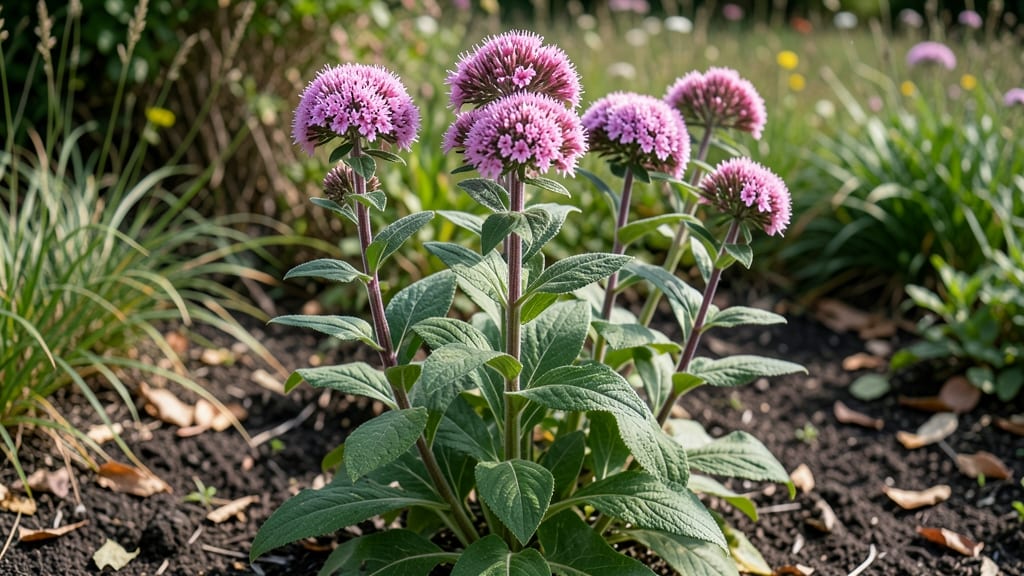
Growing Sweet Joe Pye weed from seeds unlocks a fragrant, towering pollinator magnet that hums with bees and butterflies by midsummer. 🌿 I learned the hard way that patience is key—these seeds need cold stratification before they’ll even think about sprouting, but once they do, they reward you with 6-foot-tall clouds of pink blooms that last for weeks.
The secret lies in mimicking their native woodland conditions, where they thrive in moist, rich soil and partial shade.
You’ll need just a few supplies: fresh seeds (look for ‘Little Suzie’ or ‘Gateway’ for compact varieties), a flat tray with drainage holes, and a mix of 50% potting soil and 50% perlite to keep roots from drowning.
Plant them ¼-inch deep in early spring, then refrigerate them for 6-8 weeks to break dormancy. This step alone cuts germination time from months to weeks—trust me, your future self will thank you.
By late summer, your garden will transform into a buzzing oasis. The velvety foliage and vanilla-scented blooms attract monarchs, hummingbirds, and even rare swallowtail butterflies. The plants self-seed reliably, so you’ll get free replacements year after year.
Just watch for Japanese beetles—they love these flowers too, but a quick spray of neem oil keeps them in check.
Works in zones 4-9, from sun-dappled edges to full sun with consistent moisture. The best part? These perennials multiply every year, turning your garden into a low-maintenance pollinator paradise with almost no effort after the first season. Let’s get those seeds stratified!
📚 In This Guide
- What you need
- Instructions
- Tips and common mistakes
- Wrapping up and next steps
What you need
- ● Sweet Joe Pye Weed Seeds: 10–20 seeds (adjust based on desired plant density)
- ● Seed-starting mix: 1–2 gallons (lightweight, well-draining potting soil)
- ● Growing containers: 2–3 small pots (4–6 inches deep) or seed trays with drainage holes
- ● Watering can or spray bottle: For gentle hydration (avoid oversaturating)
- ● Grow lights or sunny windowsill: 6–8 hours of light daily (or a sunny outdoor spot after germination)
- ● Plant labels: To track seed varieties and planting dates
- ● Transplanting tools: Small trowel or spoon (for moving seedlings)
- ● Seedling heat mat: Speeds up germination in cooler climates
- ● Fertilizer (balanced or organic): Diluted liquid fertilizer for young seedlings
- ● Mulch: Straw or shredded leaves to retain moisture in outdoor beds
- ● Pollinator-friendly companions: Seeds for coneflowers or bee balm to create a thriving ecosystem
- ● Garden journal: To log growth progress and blooming timelines
Step-by-step guide to growing Sweet Joe Pye weed from seed
Transform your garden into a buzzing pollinator paradise with this fragrant native perennial.
🌱 Step 1: Start Seeds Indoors in Early Spring
Fill small seed-starting trays with a sterile, well-draining seed-starting mix. Sweet Joe Pye weed seeds are tiny, so I like to press them just below the soil surface—no deeper than ¼ inch—using a toothpick for precision. Cover the tray with plastic wrap or a humidity dome to retain moisture and warmth.
Place the tray in a warm location (70-75°F) for germination, which typically takes 14-21 days. A seedling heat mat speeds this process, but even a sunny windowsill works. Keep the soil consistently moist but never soggy—excess water causes damping-off, a fungal disease that kills seedlings overnight.
🌿 Step 2: Transplant Seedlings Outdoors After Frost
Wait until all danger of frost has passed and soil temperatures reach at least 60°F before moving seedlings outside. Harden them off gradually by placing them outdoors in a sheltered spot for 1-2 hours the first day, then increasing exposure over 7-10 days. This prepares them for full sun and prevents shock.
Choose a location with full sun to partial shade—Sweet Joe Pye weed thrives in moist, well-drained soil. Space plants 2-3 feet apart to allow their stout stems room to grow. Dig holes slightly larger than the root ball and water deeply to settle the soil around the roots.
☀️ Step 3: Provide Consistent Moisture and Fertility
Sweet Joe Pye weed loves moisture but hates waterlogged roots. Water deeply 1-2 times per week, ensuring the top 6 inches of soil remain consistently damp. Mulch with 2-3 inches of organic mulch (like shredded leaves or straw) to retain moisture and suppress weeds. This is especially important during the first growing season.
Fertilize lightly in early spring with a balanced, slow-release fertilizer (10-10-10) to encourage strong growth. Avoid high-nitrogen fertilizers, which promote leafy growth at the expense of those iconic pink-purple blooms. You’ll see the first flush of flowers by mid-summer, drawing in bees, butterflies, and hummingbirds.
✂️ Step 4: Prune and Maintain for Long-Term Health
After the first frost, cut back the stalks to 4-6 inches above the ground. This encourages new growth in spring and prevents the plant from becoming top-heavy. Sweet Joe Pye weed is a tough perennial—once established, it spreads via rhizomes, forming colonies that thrive for decades with minimal care.
Divide clumps every 3-4 years in early spring to control spread and rejuvenate growth. Simply dig up the rhizomes, separate them into sections with 3-4 buds each, and replant. This keeps your garden looking tidy while ensuring vibrant blooms year after year.
🐝 Step 5: Enjoy the Pollinator Paradise
By late summer, your Sweet Joe Pye weed will reach 4-6 feet tall, topped with clusters of fragrant blooms that attract pollinators from dawn till dusk. The plant’s deep roots make it drought-tolerant once established, and its ability to thrive in moist soils makes it a standout in rain gardens or near ponds.
Harvest seeds in fall by collecting the dried seed heads and storing them in a cool, dry place. These seeds remain viable for years, letting you expand your garden or share with fellow gardeners. With its low-maintenance nature and high pollinator value, Sweet Joe Pye weed is a must-have for any native plant enthusiast.
Tips & tricks for Sweet Joe Pye weed cultivation
Between us, these little details make all the difference when growing this pollinator magnet from seed.
Germination Precision: Those tiny seeds need consistent warmth at 70-75°F—I use a seedling heat mat for reliability, but a sunny windowsill works if you're patient. The key is keeping the soil surface damp like a wrung-out sponge, not soggy. I've lost seedlings to damping-off after overwatering, so mist lightly instead of pouring.
Hardening Off Strategy: The gradual 7-10 day hardening process in Step 2 is non-negotiable. Start with just 1-2 hours of outdoor exposure on day one, then extend by 1-2 hours each subsequent day. This mimics natural conditions and prevents transplant shock. I've seen seedlings wilt dramatically when rushed into full sun too soon.
Soil Moisture Balance: The 1-2 times per week watering guideline assumes average summer rainfall. In hotter climates, you'll need to water more frequently to maintain that 6-inch deep moisture zone. I test by sticking my finger in—if the top inch feels dry, it's time to water. Overwatering is the #1 killer of established plants too.
Pruning Insight: When cutting back to 4-6 inches after frost, use clean shears and make cuts at a 45-degree angle just above a leaf node. This encourages bushier regrowth next spring. I've found that plants pruned this way bloom even more vigorously in their second year.
Pro Tips for Sweet Joe Pye Weed Seeds
- Between us, these little details make all the difference when growing this pollinator magnet from seed.
- Germination Precision: Those tiny seeds need consistent warmth at 70-75°F—I use a seedling heat mat for reliability, but a sunny windowsill works if you're patient.
- Hardening Off Strategy: The gradual 7-10 day hardening process in Step 2 is non-negotiable.
Frequently asked questions
about growing Sweet Joe Pye Weed seeds—because even the best pollinator gardens start with the right answers!When is the best time to plant Sweet Joe Pye Weed seeds?
Plant seeds indoors 8–10 weeks before your last frost date (typically February–March in most climates). Transplant seedlings outdoors after the soil warms to 60°F+ and nighttime temps stay above 50°F. Direct sowing outdoors is tricky—seeds need light to germinate, so avoid burying them!
How long does it take for Sweet Joe Pye Weed seeds to germinate?
Germination can take 14–30 days—patience is key! Keep soil moist but not soggy and maintain temps around 70°F. A heat mat helps speed things up. If nothing sprouts in 45 days, the seeds may need stratification (chill treatment) or could be old.
Can I grow Sweet Joe Pye Weed from cuttings instead of seeds?
Yes! Take 4–6 inch stem cuttings in early summer from healthy plants. Dip in rooting hormone, plant in moist perlite/sand mix, and cover with a plastic bag. Roots form in 4–6 weeks. This method is faster but requires an established plant.
Why aren’t my Sweet Joe Pye Weed seedlings thriving?
Common issues:
- Leggy seedlings? They need more light (14+ hours/day with grow lights).
- Yellow leaves? Overwatering—let soil dry slightly between waterings.
- No growth? Check for damping off (fungus) or pests like aphids. Use neem oil if needed.
- Slow growth? Boost with a balanced fertilizer (10-10-10) when true leaves appear.
What’s the best location for Sweet Joe Pye Weed in my garden?
Choose a sunny to partially shaded spot (6+ hours of sun for best blooms). They thrive in moist, well-draining soil—ideal for rain gardens or near ponds. Avoid dry, compacted soil; amend with compost if needed. Native to wetlands, they love "wet feet" but hate standing water.
Wrapping up and next steps
Growing Sweet Joe Pye Weed from seeds is a rewarding journey that brings beauty, fragrance, and life to your garden while supporting pollinators. With the right soil, patience, and care, you’ll soon enjoy a thriving, fragrant canopy that hums with bees and butterflies. 🌿✨
Ready to take the next step? Start by ordering high-quality seeds from a trusted supplier, then mark your calendar for planting—spring and early summer are your best windows. Whether you’re a seasoned gardener or a beginner, every seed you plant is a gift to nature. Happy growing!