
Tools
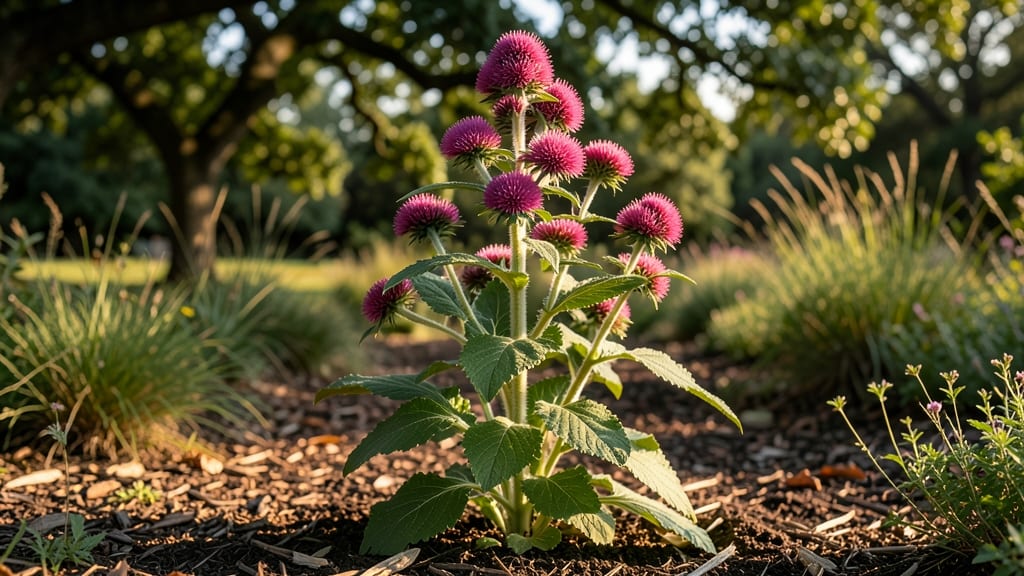
Your garden can have a fragrant canopy without the hassle of thorns—just Joe Pye weed. 🌿 This native beauty thrives in damp spots, attracts butterflies by the dozen, and adds seasonal interest from summer through fall with its towering purple blooms. The best part?
It’s low-maintenance and supports pollinators like nothing else. Grouping 3-5 plants together creates a dramatic focal point, especially near ponds or along garden edges. Pair it with coneflowers or black-eyed Susans for a pollinator magnet that keeps blooming all season.
The scent alone—sweet and earthy—will make you reconsider what a "weedy" plant can be. You’ll end up with a lush, thriving garden that hums with life, not just looks pretty. The tall stems provide late-season nectar for monarchs, and the foliage stays healthy even in humid climates.
Perfect for cottage gardens, meadows, or wetland edges where other plants struggle. Works in full sun to partial shade, and it self-seeds happily for years of effortless beauty. Here’s how to make it the star of your landscape!
📚 In This Guide
- What you need
- Instructions
- Tips and common mistakes
- Wrapping up and next steps
What you need
- ● Joe Pye Weed Seeds or Plants: 3–5 plants (or 100+ seeds) for a full, lush display. Choose Eutrochium purpureum (Purple Joe Pye Weed) for classic beauty or E. dubium (Spotted Joe Pye Weed) for a unique twist.
- ● Well-Draining Soil: Amend garden soil with compost (1 part compost to 3 parts soil) for optimal growth. Aim for a pH of 6.0–7.5.
- ● Sunlight Access: A full-sun to part-shade spot (6+ hours of sunlight daily). Dappled shade works in hot climates.
- ● Water Source: Hose or drip irrigation system (Joe Pye Weed loves moisture but hates soggy roots).
- ● Mulch: 2–3 inches of organic mulch (straw, wood chips) to retain moisture and suppress weeds.
- ● Garden Trowel: For planting seeds or transplanting seedlings.
- ● Pruning Shears: Sharp, clean shears (sterilize with rubbing alcohol) to trim spent blooms and encourage regrowth.
- ● Gloves: Heavy-duty gardening gloves to protect against thistles (though Joe Pye Weed is thorn-free, nearby plants might not be!).
- ● Measuring Tape or Ruler: To space plants 2–3 feet apart (they grow tall—give them room!).
- ● Fertilizer: Balanced, slow-release granular fertilizer (10-10-10) applied in early spring.
- ● Stakes or Trellis: For taller varieties (e.g., E. purpureum can reach 5–7 feet!).
- ● Pollinator-Friendly Additions: Plant companion flowers like bee balm or coneflowers to attract butterflies and bees.
- ● Rain Gauge: To monitor moisture—Joe Pye Weed prefers 1–1.5 inches of water weekly.
How to create a thriving Joe Pye weed garden
This fragrant, low-maintenance native plant thrives in full sun and moist soil—here's how to cultivate a lush, pollinator-friendly display.
🌱 Step 1: Choose the Perfect Location
Joe Pye weed adores full sun (6+ hours daily) and moist, well-drained soil. Scout your yard for areas near natural water sources like rain gardens or pond edges—these spots stay consistently damp without becoming waterlogged. Avoid heavy clay soil unless amended with compost, as roots need airflow to prevent rot.
Test your site by digging a 6-inch deep hole. If water pools after 30 minutes, your soil drains poorly—mix in 2-3 inches of compost to improve structure. The ideal spot balances moisture retention with drainage, mimicking its native wetland habitat.
☀️ Step 2: Prepare the Soil for Planting
Loosen the soil in a 2-foot diameter circle around your chosen location using a garden fork or tiller. Work in 2-3 inches of organic matter like composted leaves or aged manure to enrich the soil. Joe Pye weed tolerates poor soil but thrives with nutrients—think of this as giving your plants a head start.
For heavy clay, blend in 1 part perlite or coarse sand to every 3 parts soil to prevent compaction. The roots will spread aggressively, so avoid planting near foundations or sidewalks. A 3-foot spacing between plants gives them room to establish without crowding.
🪴 Step 3: Plant Bare-Root or Container-Grown Starts
Dig holes twice as wide as the root ball but no deeper than the plant's topsoil line. Gently remove the plant from its container, loosening tangled roots with your fingers. Place it in the hole so the crown sits 1 inch below soil level—this prevents rot while encouraging strong root growth.
Backfill with native soil, pressing lightly to eliminate air pockets. Water deeply to settle the roots, then mulch with 2-3 inches of wood chips or straw to retain moisture and suppress weeds. Avoid synthetic mulches—they can smother the plant's natural spread.
💧 Step 4: Water and Maintain Moisture
Keep the soil consistently moist for the first 2-3 weeks after planting, watering when the top 1-2 inches feel dry. Once established, Joe Pye weed tolerates drought but blooms most abundantly with regular moisture. Deep watering 1-2 times weekly encourages deep root growth.
This plant thrives in wet conditions but won’t tolerate standing water. If your garden floods, amend the soil with sand or plant on a slight mound. Fertilizer isn’t necessary—too much nitrogen reduces flowering. A light application of balanced organic fertilizer (10-10-10) in early spring supports growth without overstimulating foliage.
✂️ Step 5: Prune and Divide for Long-Term Health
Cut back faded blooms in late summer to encourage a second flush of flowers. In early spring, trim dead stems to 6 inches above ground to make room for new growth. Avoid heavy pruning—Joe Pye weed regenerates quickly from its robust root system.
Every 3-4 years, divide clumps in early spring to prevent overcrowding. Dig up the plant, separate the roots with a sharp knife, and replant sections 3 feet apart. This rejuvenates the garden and provides free plants for friends or problem spots.
Tips & tricks for perfect Joe Pye weed gardens
Here's what nobody tells you—these details make all the difference between a struggling patch and a thriving pollinator magnet.
Soil Testing Secret: Before amending soil in Step 1, grab a handful of your native dirt and squeeze it. If it forms a tight ball that holds together when dropped, you've got heavy clay. If it crumbles easily, you're likely on the right track. This quick test saves you from over-amending—Joe Pye weed actually prefers slightly loamy soil over perfectly fluffy mixes. The key is that 6-inch deep hole test: if water pools after 30 minutes, you absolutely need to add compost, but don't overdo it with 4+ inches unless your soil is pure sand.
Root Ball Technique: When planting in Step 3, focus on the root ball's texture rather than just the size. If it feels tightly packed, gently tease the roots apart with your fingers before placing in the hole. This prevents the plant from struggling to establish—something I learned the hard way after watching three plants wilt their first summer. The crown sitting 1 inch below soil level is critical: any deeper risks rot, while too high causes stress. Think of it as the plant's "sweet spot" for moisture balance.
Watering Wisdom: The 2-3 week moisture window in Step 4 is your golden opportunity to establish strong roots. Here's the trick: water deeply in the morning so the soil has all day to absorb moisture before evening evaporation. Use a rain gauge or tuna can to measure your watering—aim for about 1 inch per week during establishment. Once established, let the soil dry slightly between waterings to prevent root rot, but never let it get bone dry. The plant's native wetland roots actually prefer consistent moisture over soggy conditions.
Pollinator Power Move: Optional: To maximize butterfly and bee activity, plant your Joe Pye weed near other native perennials like coneflowers or black-eyed Susans. The combination creates what ecologists call a "pollinator highway"—flowers at different heights and bloom times ensure visitors have food from early summer through fall. This isn't in the basic instructions, but it's why serious gardeners swear by these pairings. The 3-foot spacing becomes even more important when planting companion species.
Pro Tips for Joe Pye Weed Garden
- Here's what nobody tells you—these details make all the difference between a struggling patch and a thriving pollinator magnet.
- Soil Testing Secret: Before amending soil in Step 1, grab a handful of your native dirt and squeeze it.
- Root Ball Technique: When planting in Step 3, focus on the root ball's texture rather than just the size.
Frequently asked questions
Got questions about growing Joe Pye weed in your garden? You’re not alone—this fragrant beauty is full of surprises! Below, we tackle the most common queries to help you cultivate a thriving patch with confidence.
When is the best time to plant Joe Pye weed?
Plant Eutrochium in early spring (as soon as the soil is workable) or fall (4-6 weeks before frost). This gives roots time to establish before harsh weather. For containers, spring planting is ideal—just avoid transplanting during extreme heat or cold.
How long does it take for Joe Pye weed to flower?
With proper care, expect pink or purple blooms in late summer to early fall (July–September, depending on your climate). First-year plants may focus on foliage, but mature plants (2+ years old) reward you with dramatic, 3–5 foot flower spikes. Patience pays off!
Is Joe Pye weed invasive? Should I worry about it spreading?
While it’s not as aggressive as some native alternatives, Joe Pye weed can self-seed in moist areas. To control spread:
- Deadhead spent blooms
- Avoid planting near water sources
- Divide clumps every 3–4 years
How much water does Joe Pye weed need?
This plant loves moisture but tolerates brief dry spells once established. Water deeply 1–2 times per week during droughts, especially in the first growing season. Overhead watering can cause mildew—aim for soil-level hydration instead.
What’s a good alternative if my garden is too dry?
If your soil drains too quickly, try these drought-tolerant perennials with similar height and pollinator appeal:
- Purple Coneflower (Echinacea) – Thrives in poor soil, attracts butterflies
- Black-Eyed Susan (Rudbeckia) – Bright yellow blooms, low-maintenance
- Russian Sage (Perovskia) – Silvery foliage, drought-resistant
Why are my Joe Pye weed leaves turning yellow?
Yellowing leaves often signal overwatering, nutrient deficiency, or fungal issues. Check these fixes:
Issue
Solution
Soggy soil
Improve drainage; water only when top 1–2" of soil is dry
Pale leaves
Fertilize with balanced 10-10-10 in spring
Spots/mildew
Prune affected foliage; space plants for airflow
Wrapping up and next steps
Incorporating Joe Pye weed into your garden isn’t just about adding beauty—it’s about creating a low-maintenance, eco-friendly haven that thrives with minimal fuss. This fragrant, pollinator-loving plant offers years of effortless elegance, whether you’re a seasoned gardener or just starting out. 🌿✨
Ready to transform your outdoor space? Start by gathering your supplies, choosing the perfect spot, and planting with confidence. Your garden’s next masterpiece is just a few steps away! Grab your gloves, and let’s grow something extraordinary together.