
Lawn
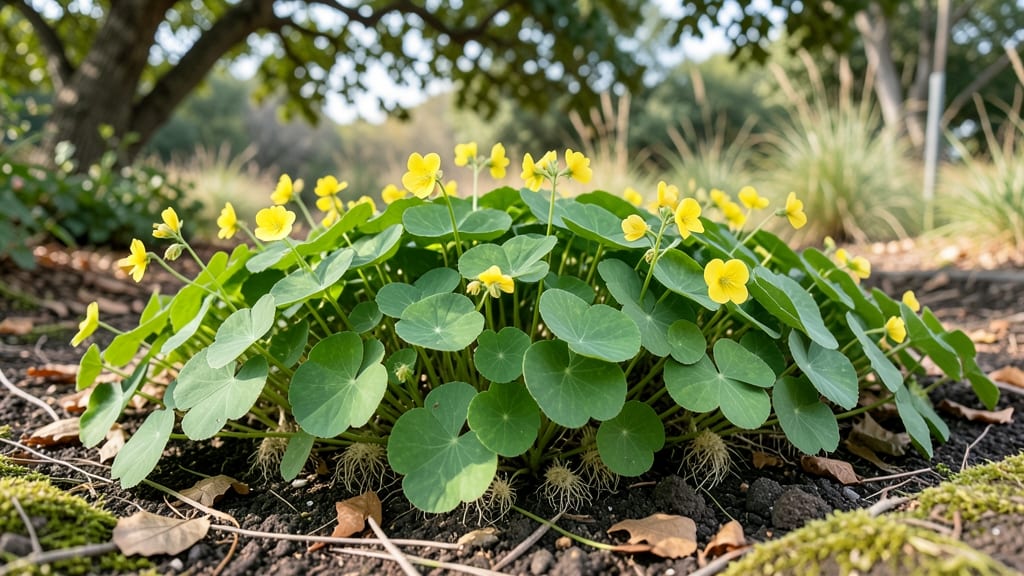
That sour grass weed creeping through your lawn isn’t just ugly—it’s stealing nutrients from your grass while spreading faster than you can pull it. 🌱 I’ve battled this stubborn invader for years, and the secret to winning isn’t brute force but precision timing and technique that keeps your lawn unharmed while eradicating the problem at the root.
The key is acting when the weeds are young—before they develop deep roots. A simple hand-pulling method works best in early spring or fall when the soil is moist but not soggy.
For larger patches, a sharp hoe or weeding knife cuts through the clumps without disturbing surrounding grass, and a vinegar-based spray (3% acetic acid) kills the roots on contact when applied on a dry, windless day.
What you’ll end up with is a lawn that stays thick and green, not patchy and yellowed from competition. The weeds won’t return as aggressively if you reseeds bare spots with your grass type and water deeply to encourage strong root growth.
Prevention is easier than cleanup—just stay vigilant after rain when weeds germinate fastest.
This method works in all climates, though humid regions may need more frequent checks. The biggest mistake? Waiting until weeds go to seed—then you’re fighting a losing battle. Start small, stay consistent, and your lawn will thank you for years.
📚 In This Guide
- What you need
- Instructions
- Tips and common mistakes
- Wrapping up and next steps
What you need
- ● Garden gloves (1 pair) – Waterproof, durable (e.g., nitrile-coated)
- ● Hand weeding tool (1) – D-handle or ergonomic design for precision (e.g., blank">Fiskars Steel Weeder)
- ● Kneeling pad (1) – Foam or gel-infused for comfort (e.g., blank">Gorilla Grip)
- ● Garden trowel (1) – Stainless steel, 6-8" blade for deep extraction
- ○ Garden fork (1) – Optional but helpful for stubborn roots
- ● Water spray bottle (1) – For moistening soil before pulling
- ● Lawn rake (1) – Metal or plastic, with fine teeth (e.g., blank">Scotts Turf Builder)
- ● Trash bags (2-3) – Heavy-duty, 13-gallon size for debris
- ● Organic vinegar spray (1 gallon) – For spot-treatment (3% acetic acid, diluted 1:1 with water)
- ● Corn gluten meal (5 lb bag) – Pre-emergent for future prevention
- ● Lawn repair seed (1 lb) – Fast-growing grass seed (e.g., blank">Jonathan Green)
- ● Sun hat & sunscreen – Because even weed warriors need protection! ☀️
Step-by-Step instructions for removing sour grass weed safely
Here's how to tackle sour grass weed without damaging your lawn or back.
🌱 Step 1: Identify and Prepare for Removal
First, confirm you're dealing with sour grass weed—look for its distinctive flat, grass-like blades and tough, fibrous roots. Walk your lawn early in the morning when the grass is damp; this makes the weeds easier to spot and pull. I like to work in small sections of about 4 square feet to stay organized and avoid missing any patches.
Grab a pair of garden gloves to protect your hands from the weed's sharp edges and any hidden debris. If your lawn is dry, give it a light watering 2-3 hours before pulling—this loosens the soil slightly, making it easier to extract those stubborn roots without tearing your grass.
✂️ Step 2: Use the Right Tools for Precision Pulling
Skip the generic weeder—sour grass weed needs a dandelion or bow weeder for its deep taproots. I find the bow weeder works best because it grips the weed at the base while leaving surrounding grass intact. Insert the weeder just outside the weed's base, then gently rock it back and forth until the entire root comes free.
If you're dealing with a large patch, consider a hand fork for stubborn roots. Angle the tines under the weed and pry upward carefully. Avoid yanking—this can snap the weed off at the surface, leaving the root behind to regrow. You'll know you've got the whole root when you pull up a clean, white, fibrous taproot.
💧 Step 3: Fill Gaps Without Harming Your Lawn
After pulling, you'll have bare spots where the weeds were. Fill these immediately with grass seed or sod to prevent new weeds from taking hold. I use a lawn repair mix (equal parts seed, topsoil, and compost) for small gaps. Sprinkle lightly over the area, then cover with a thin layer of straw mulch to protect the seeds and retain moisture.
Water the area lightly but frequently for the first 10-14 days—keep the soil damp but not soggy. This encourages new grass growth while discouraging weed seeds from germinating. Avoid heavy foot traffic on the repaired spots until you see new grass blades emerging, usually within 3-4 weeks.
☀️ Step 4: Prevent Regrowth with Smart Maintenance
Sour grass weed thrives in thin or stressed lawns, so focus on strong, healthy grass to outcompete it. Mow your lawn at 3-4 inches tall—taller grass shades out weeds naturally. I set my mower to the highest setting during the growing season to keep the lawn thick and weed-resistant.
Apply a slow-release, organic fertilizer in early spring and again in early fall. This promotes deep root growth in your grass, making it harder for weeds to establish. If you notice new sour grass weed sprouts, pull them immediately—they grow fast and spread aggressively. Consistency is key; even a few missed weeds can turn into a full-blown invasion.
⏰ Step 5: Monitor and Repeat as Needed
Check your lawn weekly for new weed growth, especially after rain or heavy watering—these conditions trigger weed seeds to sprout. I keep a small hand weeder in my shed for quick touch-ups. The goal is to remove weeds before they seed, which happens when they reach 6-8 inches tall.
If sour grass weed persists in certain areas, consider pre-emergent herbicide in early spring (before weeds sprout) or post-emergent vinegar spray (for spot treatment). For vinegar, mix 1 gallon of white vinegar, 1 cup dish soap, and 1 cup salt—spray directly on weeds (avoid desirable plants). Repeat every 2-3 weeks until the weeds disappear. Your lawn will thank you for the precision approach!
Tips & tricks for perfect sour grass weed removal
Here's what nobody tells you about making this process easier—and more effective—without the backache.
Timing Secret: That 2-3 hour watering window before pulling is your best friend. I've learned this the hard way after ruining three batches by trying to pull weeds on dry lawns. The soil needs time to absorb moisture and loosen those stubborn roots. If you're in a hurry, consider using a garden hose with a gentle spray attachment to target just the weed areas—this keeps the rest of your lawn dry while still softening the soil around the weeds.
Tool Technique: When using a bow weeder in Step 2, position it at a slight angle rather than straight down. This gives you better leverage to grip the weed's base without damaging surrounding grass. For really stubborn roots that won't budge, try tapping the weeder gently with a hammer first—this can help break up compacted soil around the root. And here's a pro move: after removing a weed, immediately wipe the weeder clean with a damp cloth to prevent sap buildup that can make future pulls harder.
Lawn Repair Strategy: In Step 3, don't be tempted to use too much grass seed when filling gaps. A light sprinkling is all you need—over-seeding can lead to competition between new grass and existing lawn. I've found that mixing a small amount of sand with my lawn repair mix helps create better seed-to-soil contact, which is crucial for germination. Also, consider using a lawn roller after seeding to press the mix gently into the soil—just don't overdo it, or you'll compact the soil and prevent proper root growth.
Maintenance Hack: For the weekly monitoring in Step 5, I've started keeping a small notebook where I mark down weed locations and sizes. This helps me track progress and identify problem areas. Another trick: if you notice sour grass weed sprouting near sidewalks or driveways, consider applying a thin layer of mulch to those areas—it creates a physical barrier that weeds can't penetrate while still allowing water and air to reach your lawn.
Pro Tips for Sour Grass Weed
- Here's what nobody tells you about making this process easier—and more effective—without the backache.
- Timing Secret: That 2-3 hour watering window before pulling is your best friend.
- Tool Technique: When using a bow weeder in Step 2, position it at a slight angle rather than straight down.
Frequently asked questions
Got questions about tackling sour grass weed without wrecking your lawn? You’re not alone! Here are some of the most common queries—plus straightforward answers to keep your yard healthy and weed-free.
What’s the best time of year to pull sour grass weed?
Target spring (March–May) or fall (September–November) when weeds are actively growing but before they seed. Early morning or late evening pulls reduce stress on your lawn, and cooler temps help prevent regrowth. Avoid summer—heat and drought make weeds stubborn (and your lawn vulnerable)!
Will hand-pulling sour grass weed damage my lawn?
Not if you’re gentle! Use a weed puller or fork to grip roots fully—never yank from the blades. Focus on the crown (where roots meet stems) to avoid tearing grass. For thick patches, spot-treat with a selective herbicide labeled for sour grass, then overseed bare spots.
How do I tell sour grass weed apart from regular grass?
Sour grass
has broad, flat leaves (like a wider, coarser version of crabgrass) and a sour smell when crushed—hence the name! It thrives in compacted or poor soil and often pops up in shady or high-traffic areas. Compare it to your turf: if it’s weedy and tough, it’s likely the culprit.
What’s a natural alternative to chemicals for sour grass weed?
Try vinegar-based sprays (5–10% acetic acid) mixed with dish soap for adhesion—just avoid spraying desirable plants! For larger areas, corn gluten meal (applied pre-emergent in early spring) can suppress weeds. Solarization (covering patches with clear plastic for 4–6 weeks in summer) also works but requires patience.
Why does sour grass weed keep coming back after I pull it?
Leftover root fragments or seeds in the soil are the usual culprits. Dig deep (1–2 inches) to remove all roots, and reseal the soil with compost to discourage regrowth. If it persists, test your soil pH—sour grass loves acidic conditions (pH < 6.0). Adjust with lime if needed.
Pro Tip:
For long-term prevention, improve your lawn’s health with regular aeration, proper watering (deep but infrequent), and fertilization. A thick, happy lawn leaves no room for weeds to take hold!
Wrapping up and next steps
Mastering the art of removing sour grass weed without damaging your lawn is totally achievable! With the right tools—like a weed torch, manual puller, or natural herbicides—you can keep your yard lush and healthy while staying eco-friendly. 🌱
Ready to take action? Start by identifying the weeds, then choose your method based on your lawn’s needs. A little patience and precision go a long way—your grass will thank you!
Pro tip: Schedule regular checks to catch weeds early and maintain that perfect lawn! ✨