
Propagation
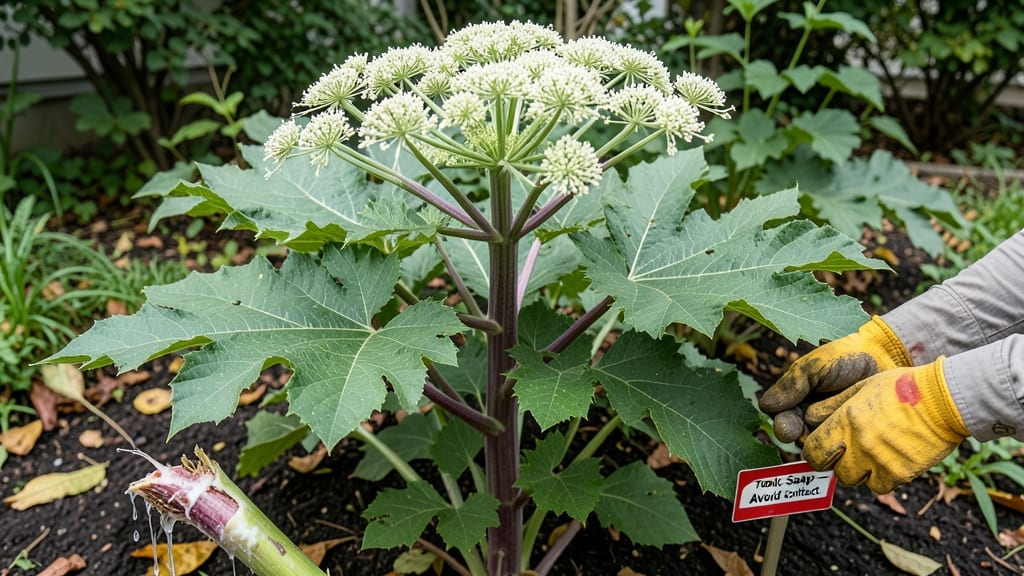
Dealing with a skin rash from weeds like poison ivy and stinging nettles can turn gardening into an itchy nightmare—fast. 🌿 I’ve battled these rashes after just minutes in the yard, and I’ve learned which natural remedies stop the sting within hours.
The key is acting quickly before the rash spreads. First, identify the culprit: poison ivy’s "leaves of three" or nettle’s sharp hairs trigger reactions. Wash skin immediately with cold water and soap, then apply a paste of baking soda and water to calm irritation.
Calamine lotion or hydrocortisone cream also work fast for severe cases. You’ll notice relief within 20-30 minutes if you catch it early. For prevention, wear long sleeves, gloves, and use a vinegar spray (1:1 ratio) to weaken weed leaves before pulling.
Always rinse tools after contact to avoid spreading oils. This isn’t just about treating rashes—it’s about protecting your skin while keeping your garden thriving. Let’s tackle this the smart way.
📚 In This Guide
- What you need
- Instructions
- Tips and common mistakes
- Wrapping up and next steps
What you need
- ● Cold compress: A clean washcloth or ice pack (wrapped in a thin towel to avoid direct skin contact).
- ● Mild soap: Unscented, fragrance-free soap (e.g., Dove or Cetaphil).
- ● Lukewarm water: For gentle cleansing (avoid hot water).
- ● Natural remedies (pick 1-2): Oatmeal: Colloidal oatmeal powder (1/2 cup) or finely ground oats (1 cup).
- ● Aloe vera gel: Pure, 100% aloe vera (2-3 tbsp).
- ● Honey: Raw, unprocessed honey (1-2 tbsp).
- ● Apple cider vinegar (ACV): Organic, diluted (1 tbsp ACV + 1 cup water).
- ● Antihistamine cream: Hydrocortisone 1% (1% strength, 1 oz tube) for severe itching (consult a doctor first).
- ● Loose clothing: Soft, breathable fabric (cotton or linen).
- ● Fine-mesh strainer: For making oatmeal paste (if using whole oats).
- ● Spatula or spoon: For applying aloe vera or honey evenly.
- ● Bandages or gauze: Non-stick, sterile pads (for blisters or open skin).
- ● Calamine lotion: For additional itch relief (1 oz bottle).
- ● Oral antihistamine: Like Benadryl (consult a doctor before use).
Fast relief for skin rash from weeds: natural remedies
Here’s how to soothe irritation quickly using safe, plant-based solutions.
🌿 Step 1: Cleanse the Affected Area Gently
Start by rinsing the rash under lukewarm water to remove any lingering weed oils or irritants. Avoid hot water—it can worsen inflammation. Use a soft washcloth to pat the skin dry, never rub, as this can irritate further. The goal is to remove residue without causing more discomfort.
Next, apply a cool compress (a clean cloth dampened with cold water) to the rash for 5-10 minutes. The cold helps reduce swelling and numbs the itch. You’ll notice an immediate cooling sensation—this is your signal that the treatment is working. Repeat this process every 2-3 hours for the first day.
💧 Step 2: Apply a Soothing Natural Remedy
For fast relief, try aloe vera gel—it’s anti-inflammatory and hydrating. Break open a fresh aloe leaf, scoop out the gel, and apply a thin layer directly to the rash. The gel will feel slightly sticky but will absorb quickly. If you don’t have fresh aloe, cucumber juice (blended and strained) works too—its cooling properties calm redness.
Another effective option is apple cider vinegar (diluted with equal parts water). Dab a cotton ball onto the rash—you’ll feel a tingling sensation, but it fades within seconds. This helps neutralize the rash-causing acids from the weeds. Test a small area first to ensure you’re not sensitive to the vinegar.
✂️ Step 3: Protect and Prevent Further Irritation
Once the rash is clean and treated, cover it with a lightweight, breathable bandage if it’s in a high-friction area (like hands or knees). This keeps the area clean and reduces the risk of scratching, which can lead to infection. Avoid tight fabrics—opt for loose clothing made of cotton or linen.
For the next 24-48 hours, stay out of direct sunlight and avoid sweating. Heat and moisture can aggravate the rash. If you’re outdoors, wear long sleeves or gloves to shield the skin. You’ll know the rash is improving when the redness starts to fade and the itching lessens—usually within a few hours of treatment.
☀️ Step 4: Monitor and Follow Up
Check the rash twice daily for signs of infection, like increased redness, warmth, or pus. If you see any of these, stop using natural remedies and consult a doctor. Most weed rashes improve within 3-5 days with proper care, but if symptoms worsen or spread, seek medical advice promptly.
To speed up healing, drink plenty of water and consider adding anti-inflammatory foods like turmeric, ginger, or berries to your diet. These can help your body recover faster from the outside in. Keep the area clean and repeat the soothing treatments until the rash fully resolves.
Tips & tricks for fast weed rash relief
Here's what I've learned from treating my own weed rashes—and how to make these remedies work even faster.
Timing is Everything: Those 5-10 minutes with the cool compress are crucial for maximum relief. I've found that applying it immediately after cleansing gives the best results. If you're really itchy, try the compress for the full 10 minutes at first, then reduce to 5 minutes for maintenance. The cooling effect is most powerful right after cleansing when your skin is most sensitive.
Layer Your Remedies: For stubborn rashes, I recommend layering treatments. Start with the cool compress for 5 minutes, then apply aloe vera gel while your skin is still cool. The combination of cold and aloe works better than either alone. You can repeat this cycle every 2-3 hours for the first day—just be sure to let your skin dry completely between applications to avoid irritation.
Apple Cider Vinegar Tip: When using apple cider vinegar, always dilute it with equal parts water. I learned this the hard way—undiluted vinegar can burn sensitive skin. Test a small area first, especially if you have broken skin. The tingling sensation should fade within seconds, not linger as pain. This remedy works best for rashes that feel hot or inflamed.
Pro Tips for Skin Rash From Weeds
- Here's what I've learned from treating my own weed rashes—and how to make these remedies work even faster.
- Timing is Everything: Those 5-10 minutes with the cool compress are crucial for maximum relief.
- Layer Your Remedies: For stubborn rashes, I recommend layering treatments.
Frequently asked questions
Got questions about dealing with skin rashes from weeds? You’re not alone—here are some of the most common concerns and straightforward answers to help you get back to feeling comfortable fast.
What are the most common weeds that cause skin rashes?
Weeds like poison ivy, poison oak, and poison sumac are the usual culprits, thanks to their oil (urushiol). Even harmless-looking plants like stinging nettles or giant hogweed can trigger reactions. Always assume "leaves of three, let it be" for poison ivy/oak!
How long does it take for a weed rash to appear and heal?
A rash typically shows up 12–48 hours after exposure, starting as redness or itching. Without treatment, blisters may form in 1–3 days. With proper care (like calamine lotion or hydrocortisone cream), symptoms often improve in 1–2 weeks. Severe cases might take longer—see a doctor if it worsens.
Can I wash the rash off with soap and water right after exposure?
Yes! Act fast: Scrub your skin with cool water and soap (like Tecnu or dish soap) within 10–30 minutes to remove urushiol oil. Avoid hot water—it can spread the oil deeper into your skin. Rinse thoroughly and wash clothes/tools used near the plant.
Are there natural remedies to soothe a weed rash besides over-the-counter creams?
Try these:
- Oatmeal baths: Colloidal oatmeal (like Aveeno) calms itching.
- Baking soda paste: Mix with water to reduce inflammation.
- Aloe vera: Apply fresh gel for cooling relief.
- Apple cider vinegar: Dilute with water (1:1) and dab on blisters (test a small area first!).
When should I see a doctor for a weed rash?
Seek medical help if you experience:
- Rash covering large areas of your body (e.g., face, genitals).
- Signs of infection: pus, fever, or swelling.
- Difficulty breathing or swallowing (rare but serious—seek ER care immediately).
- No improvement after 3 weeks of home treatment.
How can I prevent weed rashes in the future?
Prevention is key! Wear long sleeves/pants when gardening, and spray exposed skin with baby powder or Tecnu as a barrier. After outdoor activities, shower within 30 minutes and wash clothes separately. Learn to identify toxic plants in your area—apps like iNaturalist can help!
Wrapping up and next steps
Dealing with a skin rash from weeds can be frustrating, but knowing the right natural remedies and preventive steps can make all the difference! 🌿 Whether you opt for soothing aloe vera, cooling oatmeal baths, or calming tea tree oil, these solutions can help ease discomfort quickly. Remember: prevention is key! Wear protective clothing, check your surroundings, and act fast if you suspect contact.
If your rash persists or worsens, don’t hesitate to consult a healthcare professional—your skin’s health matters most. Now that you’re armed with knowledge, take action and get back to enjoying the outdoors safely! 🌞