
Pests and Diseases
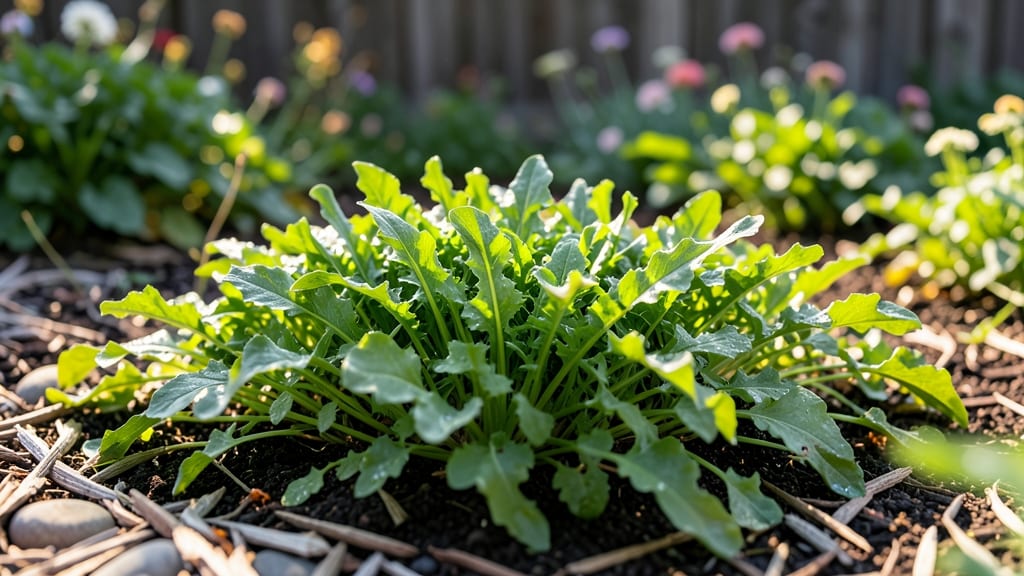
A vinegar baking soda weed killer foam that disappears weeds in minutes—no harsh chemicals, no waiting weeks. 🌱 I’ve used this spot-treatment on stubborn driveway cracks and sidewalk crevices where weeds keep popping up, and it works faster than pulling them by hand.
The secret? The fizzing reaction creates a concentrated, targeted spray that dissolves the foliage on contact while leaving the soil (mostly) intact.
The mix is simple: equal parts white vinegar and water, plus a tablespoon of baking soda per cup of solution. You’ll need a spray bottle, a sunny, dry afternoon (cloudy days dilute the effect), and a drop cloth to protect nearby plants.
It kills broadleaf weeds like dandelions and chickweed instantly, but thick grass roots might need a second treatment. The foam action makes it ideal for tight spaces where weed pullers won’t fit.
What you’ll get is crispy, dissolved weeds within 10-15 minutes, with no regrowth from the same roots—unlike vinegar alone, which can leave stubborn stems behind. The downside? It’s not selective, so avoid spraying desirable plants or lawns.
For those areas, a targeted paintbrush application works better than a full spray. Reapply every 2-3 weeks for persistent weeds, and always test a small patch first.
This method beats commercial weed killers for spot treatments but won’t replace pre-emergent for large lawn areas. For tough grassy weeds, pair it with a boiling water treatment for best results.
The key is precision—use it where you see weeds, not as a blanket solution. Ready to reclaim those cracks and corners?
📚 In This Guide
- What you need
- Instructions
- Tips and common mistakes
- Wrapping up and next steps
What you need
- ● White vinegar (5% acetic acid): 1 cup (240 mL) – Look for plain, undiluted vinegar (no additives).
- ● Baking soda: ½ cup (120 mL) – Use pure, aluminum-free baking soda for best results.
- ● Dish soap (mild, biodegradable): 1 tablespoon (15 mL) – Avoid harsh detergents; Castile soap works great!
- ● Spray bottle or foam applicator: 16 oz (473 mL) – Choose one with a foam nozzle for maximum coverage.
- ● Protective gear: Gloves (nitrile or rubber)
- ● Safety goggles
- ● Long sleeves/pants (to avoid skin irritation)
- ● Measuring cups/spoons: For precision mixing.
- ● Stirring stick or spoon: Wooden or silicone to avoid scratching containers.
- ● Garden hose or water sprayer: To rinse off treated areas after 10–15 minutes.
- ● Spray shield or cardboard: To protect nearby plants from overspray.
How to make a spot-targeted vinegar-baking soda weed killer foam
This method works fast—watch weeds dissolve within minutes using just two pantry staples.
🌱 Step 1: Mix the Active Solution in a Spray Bottle
Combine 1 cup white vinegar (5% acidity) with 1 tablespoon dish soap in a 16-ounce spray bottle. The soap lowers surface tension, helping the solution cling to weeds instead of beading off. Shake gently to blend—no vigorous mixing needed, or you'll create suds prematurely. Fill the remaining space with 1 cup warm water to dilute the acid slightly and improve coverage.
I like to add 2-3 drops of liquid dish soap for extra cling—this ensures the foam sticks to broadleaf weeds like dandelions and chickweed. Avoid using hand soap or scented varieties, as they can irritate plants you want to keep. Label your bottle clearly, since the vinegar smell is strong and can confuse others in your household.
💧 Step 2: Create the Foam Texture with Baking Soda
In a separate container, mix ½ cup baking soda with 1 cup warm water until fully dissolved. This creates an alkaline solution that reacts with the vinegar's acidity to form a thick, sudsy foam when combined. Pour this baking soda solution into the spray bottle with the vinegar mixture—immediately shake vigorously for 20-30 seconds until a thick foam forms.
The foam is key—it clings to weeds longer than liquid spray, giving the acid time to work. If the foam collapses too quickly, add another teaspoon of dish soap to stabilize it. Test the foam consistency on a small weed first; it should hold its shape for at least 10 seconds before dripping. Use within 30 minutes of mixing for maximum effectiveness.
☀️ Step 3: Apply Directly to Weeds on a Sunny Day
Wait until mid-morning or early afternoon when temperatures are above 65°F—warmer conditions speed up the chemical reaction. Hold the spray bottle 6-8 inches away from weeds and apply until fully coated with foam. Focus on broadleaf weeds like clover, plantain, and young crabgrass; this won’t kill grass effectively. Avoid spraying desirable plants, as vinegar can harm them too.
Watch the foam bubble and cling—it should stay in place for 2-3 minutes before dissolving. Within 10-15 minutes, you’ll see weeds wilting and turning brown as the acid disrupts their cell structure. For stubborn weeds, reapply once after 24 hours. Always wear gloves and eye protection, as vinegar can sting skin and eyes.
✂️ Step 4: Monitor and Remove Dead Weeds
Weeds typically die within 24-48 hours, but they may take 3-5 days to fully collapse. Use a hand weeder or garden fork to pull up dead weeds at the root—this prevents regrowth. The baking soda helps break down the plant matter faster, so cleanup is easier. Water the area lightly 48 hours after treatment to rinse away any residual vinegar.
If weeds persist, the foam may have dried too quickly—next time, apply on a humid day or add another teaspoon of dish soap to improve adhesion. This method works best on young, small weeds; established weeds with deep roots may require 2-3 applications. Store any leftover solution in a cool, dark place for up to 1 week, but foam effectiveness decreases over time.
Tips & tricks for perfect vinegar-baking soda weed killer foam
This spot-targeted solution works best when you nail the science behind the suds—here's how to get every detail right.
Timing is Everything: The 20-30 seconds of vigorous shaking in Step 2 is critical—this creates the chemical reaction that forms foam. If you shake too gently, the foam won't develop properly. I've found that using a spray bottle with a narrow neck helps create more friction during shaking, which speeds up foam formation. Test your foam consistency immediately after mixing by spraying onto a small weed patch—it should hold its shape for at least 10 seconds before dripping.
Temperature Matters: The 65°F minimum temperature in Step 3 isn't just arbitrary—it's the threshold where the vinegar's acidity becomes most effective. On cooler days, you might need to wait until mid-afternoon when the sun has had time to warm the area. I've noticed that humidity also plays a role: on dry days, the foam evaporates faster, so apply it to weeds when morning dew is still present for better adhesion.
Application Technique: When applying the foam in Step 3, focus on coating the weeds completely—don't just spray until it looks wet. The foam needs to cover every surface of the weed leaves to work effectively. I use a slow, steady motion with the spray bottle, moving it in small circles over each weed. For stubborn weeds with thick stems, you might need to apply the foam twice in the same session, waiting 2-3 minutes between applications to let the first layer work.
Safety First: The 48-hour rinsing window in Step 4 is non-negotiable for safety. Vinegar residue can linger and potentially harm nearby plants if not rinsed properly. I always wear nitrile gloves (they're more resistant to vinegar than latex) and eye protection when working with this solution. If you're treating weeds near edible plants, consider using a drop cloth to contain any accidental overspray—vinegar can bleach fabrics too.
Pro Tips for Vinegar Baking Soda Weed Killer
- This spot-targeted solution works best when you nail the science behind the suds—here's how to get every detail right.
- Timing is Everything: The 20-30 seconds of vigorous shaking in Step 2 is critical—this creates the chemical reaction that forms foam.
- Temperature Matters: The 65°F minimum temperature in Step 3 isn't just arbitrary—it's the threshold where the vinegar's acidity becomes most effective.
Frequently asked questions
Got questions about using vinegar and baking soda as a weed killer?
Here are some of the most common ones—plus clear, easy answers to help you tackle weeds like a pro!
How long does it take for the vinegar-baking soda foam to kill weeds?
The foam typically works within 24–48 hours for most weeds, but thick or deeply rooted ones may take up to a week to fully dissolve. Check back daily—you’ll often see wilting or browning within hours! For best results, apply on a sunny, dry day to maximize effectiveness.
Can I use this weed killer right before rain?
Nope! Wait at least 4–6 hours after spraying to avoid washing away the solution. Rain can dilute the vinegar’s acidity, reducing its ability to kill weeds. Always check the weather forecast before treating your yard or garden.
Will this method harm my plants or grass?
This DIY weed killer is selective—it targets broadleaf weeds but can damage grass and desirable plants if it touches them. Always spot-treat weeds carefully, and avoid spraying near flowers, vegetables, or lawns. For safety, use a dropper or foam applicator for precision.
What if the weeds keep coming back?
Persistent weeds might need 2–3 applications spaced 1–2 weeks apart, especially for tough varieties like dandelions or clover. If the problem lingers, try adding a dish soap (½ tsp per cup of solution) to help the mixture stick better. For stubborn roots, dig them out afterward!
Are there safer alternatives if vinegar and baking soda don’t work?
Yes! Try these eco-friendly options:
- Boiling water: Pour directly on weeds (great for driveways or cracks).
- Corn gluten meal: A pre-emergent herbicide that prevents weed seeds from sprouting.
- Salt + water spray: Mix 1 cup salt with 1 gallon of water (use sparingly—it can harm soil over time).
- Manual removal: Pull weeds early when the soil is moist for easier extraction.
Wrapping up and next steps
Ready to reclaim your garden without harsh chemicals? 🌱 The vinegar and baking soda weed killer is a game-changer—eco-friendly, spot-targeted, and fast-acting! With just a few household ingredients, you can dissolve weeds in minutes while keeping your yard safe for pets and kids.
Give it a try, and watch your garden thrive naturally!
Start small—test a patch first, then expand your weed-free zone. Happy gardening! 🌿