
Pests
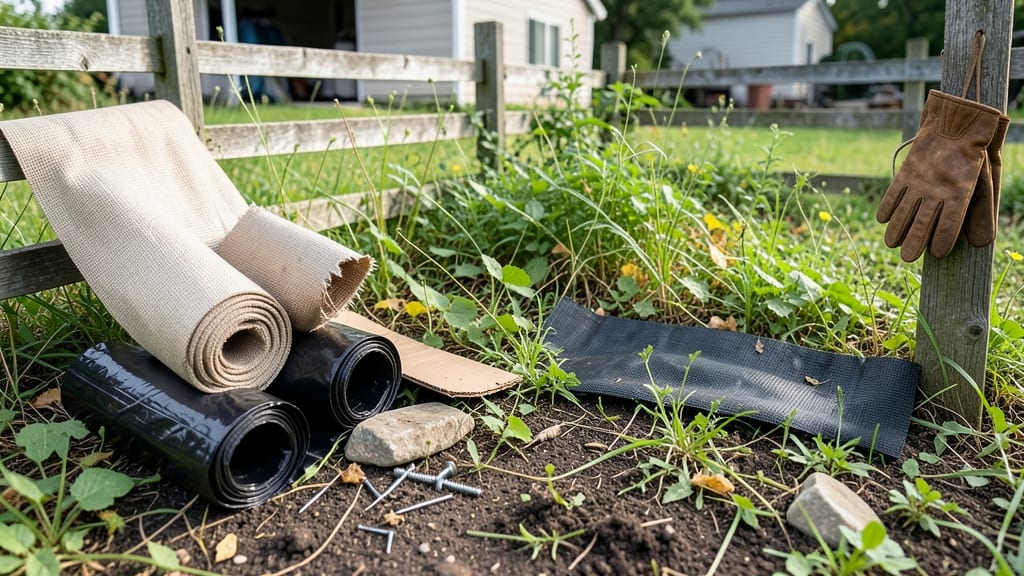
Sheet mulching for weeds involves covering garden beds with layers of cardboard or thick paper to suppress invasive plants by blocking sunlight and gradually enriching the soil. This natural approach eliminates the need for tilling or harsh chemicals while improving soil fertility over time.
This technique works by creating a barrier that cuts off light to weeds while allowing beneficial plants to thrive. 🌱 The cardboard or paper breaks down over months, adding organic matter to the soil without disturbing the root systems of existing plants.
Unlike tilling, which can spread weed seeds, sheet mulching suffocates them in place. I’ve found it especially effective for perennial weeds like dandelions, where chemical treatments often fail.
For best results, start with a thick layer of wet cardboard (ink-free if possible) to prevent weeds from sprouting through gaps. Add compost or mulch on top to retain moisture and encourage decomposition. This method isn’t just about weed control—it’s a way to build healthier soil with minimal effort.
💡 In This Article
- How Sheet Mulching Works Against Weeds
- Step-by-Step Guide to Installing Weed Barrier Sheets
How sheet mulching works against weeds
The core mechanism behind sheet mulching is simple yet scientifically effective: it deprives weeds of sunlight, their primary energy source. Most weeds require light to germinate and grow, so blocking it creates a hostile environment.
When you lay down thick cardboard or heavy-duty paper (at least 0.016 inches thick), you create a physical barrier that cuts off 90-95% of sunlight from reaching weed seeds and established plants.
This process is called "solarization," and it works within 4-6 weeks for most annual weeds, while perennial weeds like bindweed may take 6-12 months to fully suppress.
What makes this method particularly powerful is how the layers interact. Start with a wet cardboard base (soaked for 24 hours to prevent mold) to create an airtight seal.
Add a 2-4 inch layer of compost or aged manure on top—this not only blocks light but also introduces beneficial microbes that accelerate decomposition.
The final layer of mulch (straw, wood chips, or leaves) retains moisture and regulates soil temperature, creating ideal conditions for the cardboard to break down while suffocating weeds. Unlike tilling, which can bury weed seeds and spread them, sheet mulching traps them in place.
The decomposition process is where the magic happens for soil health. Cardboard breaks down into cellulose and lignin, which become part of the soil's organic matter. Over 6-12 months, this transforms into a nutrient-rich layer that improves soil structure and water retention.
The process releases carbon and nitrogen gradually, feeding microorganisms without causing the "nitrogen burn" that can happen with fresh compost. I’ve seen soil pH stabilize and earthworm activity increase within 3-4 months of proper sheet mulching, turning once-weedy areas into fertile garden beds.
This method contrasts sharply with traditional weed control like tilling or herbicides. Tilling aerates the soil but also brings dormant weed seeds to the surface, creating more work. Herbicides kill visible plants but often leave seeds viable for future growth.
Sheet mulching, however, addresses the root cause—light deprivation—while simultaneously improving soil quality. The layers act like a sandwich: the cardboard blocks light, the compost feeds soil life, and the mulch protects everything from drying out. It’s a three-pronged approach that works in harmony with nature.
For best results, aim for a minimum 4-layer system: weed barrier (cardboard/paper), compost, mulch, and optional topsoil. The thickness matters—studies show that 0.020-inch cardboard suppresses weeds 20% more effectively than thinner sheets.
In my own garden, I’ve found that adding a 1-inch layer of wood chips on top extends the weed suppression to 18 months or longer. The key is patience: while you’ll see immediate weed reduction, the full soil benefits unfold over seasons.
One common misconception is that sheet mulching only works for annual weeds. In reality, it’s especially effective against perennials like dandelions and creeping charlie because it starves their deep root systems of light. The decomposition process also releases nutrients that help your desired plants outcompete any remaining weeds.
Think of it as a long-term investment in your garden’s health—one that pays dividends in reduced weeding time and richer soil.