
Lawn
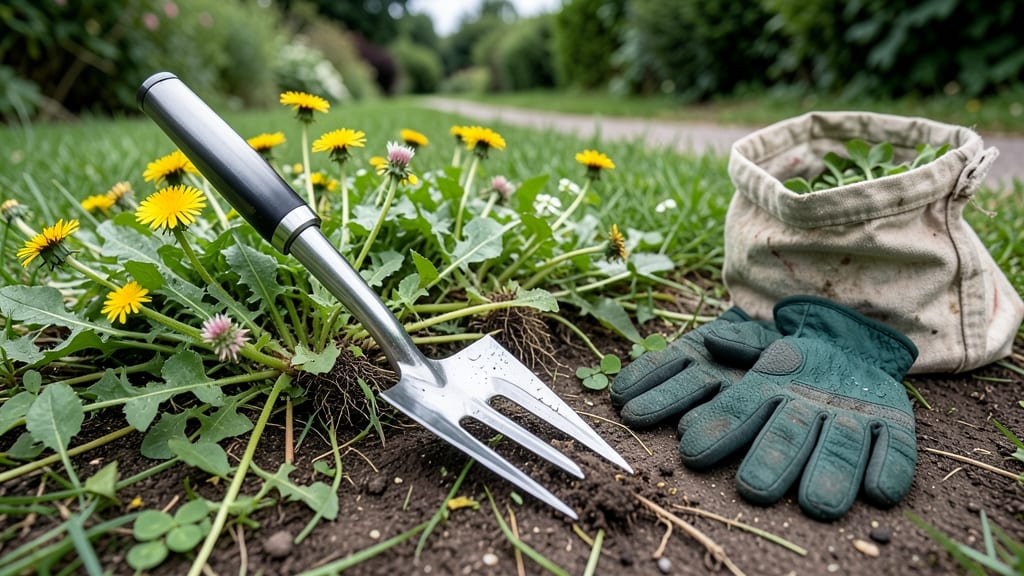
Those tiny, sharp weeds in the grass stabbing your feet every time you mow? 🌱 I used to dread stepping on my own lawn—until I discovered how to banish them naturally without bending over in pain.
The key is knowing which weeds you're dealing with (nutgrass, crabgrass, or thistles) and attacking them at their weakest points in the season.
Start by pulling them when the soil is damp—they come out cleaner and with less effort. A pair of thick gardening gloves and a weed puller (or even a fork for stubborn roots) makes the job safer and faster.
For nutgrass, dig deep—its roots can stretch 12 inches down—while crabgrass responds better to surface disturbance.
You'll notice fewer weeds returning if you thicken your grass with proper watering and overseeding. A mulch layer of compost smothers new growth while feeding your lawn. After a few weeks, you'll be walking barefoot without flinching—no more painful surprises with every step.
Works for any grassy area, from backyards to sports fields. The secret is persistence—once you establish a thick, healthy lawn, those sharp invaders stand no chance. Let's get started with the right tools and timing!
📚 In This Guide
- What you need
- Instructions
- Tips and common mistakes
- Wrapping up and next steps
What you need
- ● Garden Gloves: Heavy-duty, nitrile-coated gloves (2 pairs) to protect hands from thorns and blisters. Look for grip-friendly designs for better control.
- ● Weeding Tool: Dandelion Weeder (or similar): 1 stainless-steel tool with a serrated edge for clean cuts. Bonus: Look for an ergonomic handle to reduce strain.
- ○ Hori-Hori Knife: 1 sharp, multi-purpose knife (optional but game-changing for stubborn weeds).
- ● Knee Pads: 1 pair with gel cushioning to save your joints during long sessions.
- ● Garden Trowel: 1 medium-sized (6-8 inches) for digging out deep-rooted weeds.
- ● Trash Bag: 1 heavy-duty, 20-gallon bag for easy disposal of weeds and debris.
- ● Water Spray Bottle: 1 (16 oz) to dampen soil and reduce dust while weeding.
- ● Weed Puller: 1 lever-style tool for large patches of weeds (saves time!).
- ● Pruners: 1 pair of bypass pruners for trimming weeds at the base.
- ● Compost Bin: Small 5-gallon bin to collect weeds for composting (if local regulations allow).
- ● Sunscreen & Hat: SPF 30+ sunscreen and a wide-brimmed hat for long outdoor sessions.
- ● Kneeling Pad: 1 foldable pad for extra comfort on hard surfaces.
How to sharpen your weeding technique for effortless grass maintenance
Here's the method I use to pull weeds cleanly without straining my back or knees.
🪴 Step 1: Choose the Right Tools for Precision
Skip the blunt garden trowel and opt for a sharp, narrow-bladed weeder—I prefer the stainless steel Japanese-style weeder for its precision. A hand fork with tines spaced 1 inch apart works for stubborn weeds with deep roots. Always check blade sharpness before starting; a dull tool requires more force, which leads to back strain.
Pair your weeder with a small, flat-nosed shovel for loosening compacted soil around weed bases. This prevents the tool from slipping and gives you better leverage. I keep a small bucket nearby to toss weeds into—it keeps the lawn tidy and prevents re-rooting.
✂️ Step 2: Loosen Soil and Identify Weed Roots
Before pulling, loosen the soil around the weed with your shovel or fork. Insert the tool at a 45-degree angle about 1 inch away from the weed stem and gently pry upward. This breaks the soil's grip on the roots, making extraction easier. Look for the root crown—the thickest part just below the soil surface—this is where the weed stores energy to regrow.
For broadleaf weeds like dandelions, you'll see a taproot that can extend 12-18 inches deep. Grass-like weeds (like crabgrass) have fibrous roots spreading horizontally. Focus on removing the entire root system to prevent regrowth. If you leave even a small piece behind, the weed will sprout back stronger.
💧 Step 3: Pull at the Optimal Time and Angle
Timing matters: pull weeds when the soil is moist but not soggy—right after watering or a light rain is ideal. Wet soil helps roots slide out cleanly without breaking. Grab the weed at its base, just above the soil line, and pull straight up with steady pressure. If the weed resists, wiggle the tool gently while pulling to loosen the roots.
For stubborn weeds, I use a two-step technique: first, insert the weeder 1 inch deep beside the weed, then twist slightly to sever the roots before pulling upward. This prevents the weed from snapping off at the surface, which leaves the root intact. A clean pull means no regrowth.
☀️ Step 4: Maintain Your Tools and Monitor Results
After weeding, sharpen your tools immediately with a file or whetstone to maintain their edge. A dull blade makes future weeding harder and less effective. Store tools in a dry place to prevent rust—rust weakens metal and dulls edges over time. I like to wipe them down with a light oil after each use to extend their life.
Monitor your lawn for new weed sprouts in 7-10 days—this is the best time to catch them before they establish deep roots. Consistent weeding reduces future workload. If you notice weeds returning in the same spots, the soil may need aeration or a pre-emergent herbicide applied in early spring to prevent seeds from germinating.
🌱 Step 5: Prevent Future Weed Growth Naturally
To keep weeds at bay, mow your lawn regularly at 3-4 inches tall—taller grass shades out weed seeds. Apply a thin layer of mulch (like shredded leaves or straw) to bare spots to block sunlight, which weed seeds need to germinate. I also overseed thin areas in early fall to thicken the grass and outcompete weeds.
For persistent weed hotspots, try a vinegar-based weed killer (1 part white vinegar, 1 part water, and a drop of dish soap) applied on a dry, windless day. This organic solution kills weeds without harming the grass. Always spot-test first—some grasses are sensitive to vinegar.
Tips & tricks for effortless weed removal
These game-changing strategies will transform your weeding routine from back-breaking chore to satisfying lawn care ritual.
Tool Ergonomics: Position yourself in a low squat with knees slightly wider than shoulder-width apart—this protects your back while giving you leverage. I found using a long-handled weeder (like the Fiskars Ergo Weeder) reduces strain by letting me stand upright for stubborn weeds. The key is maintaining a straight back while letting your arms do the work, not your spine.
Root System Strategy: For weeds with 12-18 inch taproots like dandelions, I've developed a "scoop and twist" method: use your weeder to make a small horizontal cut about 1 inch below the root crown, then twist counterclockwise to break the root cleanly. This prevents the weed from snapping off at the surface, which leaves the root intact to regrow. For fibrous-rooted weeds, focus on getting the entire root ball out in one piece.
Seasonal Timing: Early spring and fall are prime weeding seasons because soil temperatures are moderate (around 60-70°F) and weeds are actively growing but not yet established. In summer heat, weeds develop deeper root systems, making them harder to remove completely. I schedule my weeding sessions for mornings when dew is present—this natural moisture makes extraction easier without needing to water first.
Pro Tips for Sharp Weeds In Grass
- These game-changing strategies will transform your weeding routine from back-breaking chore to satisfying lawn care ritual.
- Tool Ergonomics: Position yourself in a low squat with knees slightly wider than shoulder-width apart—this protects your back while giving you leverage.
- This prevents the weed from snapping off at the surface, which leaves the root intact to regrow.
Frequently asked questions
Got sharp weeds in your grass but don’t want to risk injuries or back pain?
Here are answers to the most common questions to help you tackle them safely and effectively.
What are the sharpest weeds I might find in my grass?
Common culprits include foxtails (with barbed seed heads), stinging nettles (tiny hairs that irritate skin), and bristly oxtongue (spiky leaves). Even dandelions can have sharp stems—always wear gloves when pulling!
When is the best time to remove sharp weeds from my lawn?
Target weeds when the soil is moist (after rain or watering) for easier extraction. Early morning or late afternoon reduces sun exposure. For persistent weeds like nutsedge, pull them before they seed (spring to early summer).
What’s the safest way to pull sharp weeds without hurting myself?
Use a weed puller or digging fork to loosen roots first, then grip weeds at the base with thick gardening gloves (like mechanics’ gloves). For stubborn weeds, wrap a towel around your hand for extra protection.
Are there natural alternatives to pulling sharp weeds?
Yes! Try vinegar-based herbicides (1 gallon vinegar + 1 oz dish soap) for spot treatment, or boiling water on small patches. For long-term prevention, improve soil health with compost or clover cover crops to outcompete weeds.
What should I do if I get stuck by a sharp weed?
Rinse the area with soapy water to cleanse it, then apply aloe vera or hydrocortisone cream for irritation. If the weed is barbed (like foxtail), check for embedded seeds—remove them with tweezers to avoid infection. Seek medical help if pain or swelling persists.
Will sharp weeds come back if I don’t pull them all?
Many weeds spread via seeds or underground runners. Pull them early (before seeding) and inspect your lawn weekly. For aggressive weeds like bindweed, dig deep (6+ inches) to prevent regrowth.
Wrapping up and next steps
Dealing with sharp weeds in grass doesn’t have to be a painful chore—just a strategic one! With the right tools, timing, and techniques, you can tackle them efficiently while keeping your lawn lush and healthy. Remember, consistency is key!
Ready to reclaim your yard? Grab your gloves, pick a sunny day, and start small—one section at a time. Your future self (and your back) will thank you! 🌱✨
- Next step: Schedule a weekly 10-minute weed check to stay ahead of regrowth.
- Bonus tip: Share your progress with neighbors—you might inspire a lawn-care challenge!