
Pests and Diseases
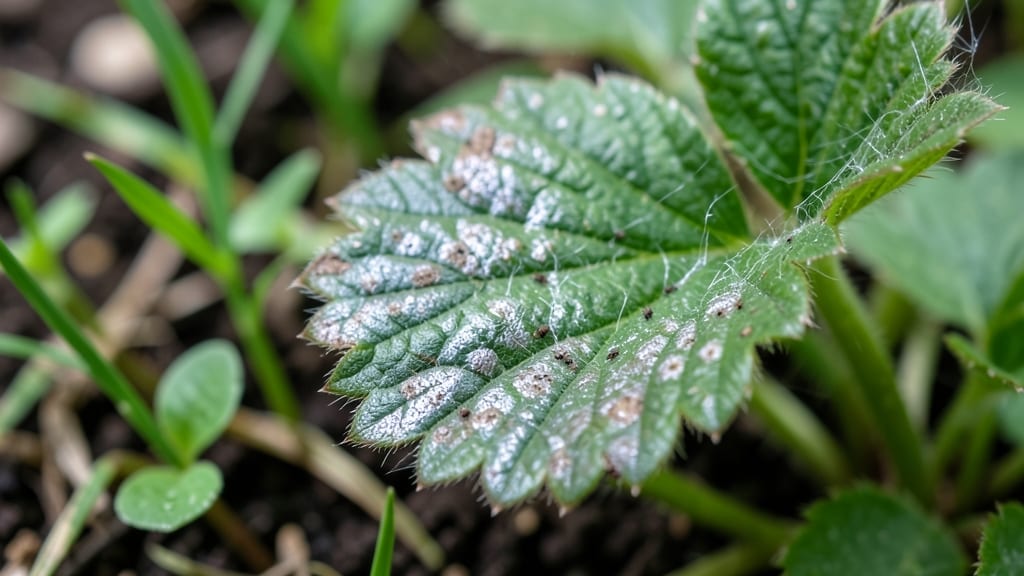
When russet mites turn your weed plants into brittle, silver-speckled skeletons, this organic spray saves them in hours—not weeks. 🌿 I’ve watched these tiny pests strip plants bare, but the right mix of neem oil, insecticidal soap, and a splash of water creates a barrier they can’t cross.
The key is acting fast before they spread to new leaves.
You’ll need just three simple ingredients: pure neem oil, a gentle castile soap, and a spray bottle. Mix them in a 1:1 ratio with water, shake well, and apply when the plant is dry.
The spray coats the undersides of leaves where mites hide, suffocating them on contact. Most gardeners see results within 24-48 hours—no more sticky webbing or curled leaves.
What you’ll end up with is lush, green plants that bounce back from infestations without chemical residue. The spray works on other soft-bodied pests too, like spider mites, making it a multi-purpose defense. Just avoid spraying in direct sunlight—it can burn the leaves if they’re wet.
For heavy infestations, repeat every 3-5 days until the mites disappear. Prevention is easier: keep plants well-watered, prune crowded growth, and introduce beneficial insects like ladybugs. This method works for indoor grows, greenhouses, or outdoor plants—no matter how bad the damage looks at first.
📚 In This Guide
- What you need
- Instructions
- Tips and common mistakes
- Wrapping up and next steps
What you need
- ● Neem oil (100% cold-pressed, organic) – 2 tablespoons per 1 quart of water (or follow label instructions).
- ● Insecticidal soap (potassium salt-based, OMRI-listed) – 1-2 tablespoons per 1 quart of water.
- ● Diatomaceous earth (food-grade, fine powder) – 1-2 teaspoons per plant (light dusting).
- ● Spray bottle (16-32 oz, with fine mist nozzle) – 2-3 bottles for thorough coverage.
- ○ Garden hose with adjustable nozzle (optional for rinsing) – For diluting sprays or rinsing plants.
- ● Gloves (nitrile or rubber, chemical-resistant) – 1 pair for safety.
- ○ Face mask (optional, for diatomaceous earth application) – To avoid inhaling fine particles.
- ○ Fine-mist sprayer (optional, for large-scale treatment) – 1-2 gallon capacity for efficiency.
- ● Horticultural oil (refined, winterized) – 1 tablespoon per 1 quart of water (mix with neem oil for extra potency).
- ● Sticky traps (yellow or blue) – 2-4 traps to monitor mite populations.
- ● pH testing kit – To ensure your spray mix is plant-safe (ideal pH: 6.0-7.0).
- ● Pruning shears (sterilized) – For trimming heavily infested leaves.
- ● Reflective mulch (aluminum foil or silver plastic) – To deter mites with light reflection.
How to eliminate russet mites on cannabis plants naturally
Here’s the organic approach I’ve used to clear stubborn russet mite infestations without harsh chemicals.
🌿 Step 1: Identify and Isolate Infested Plants
Russet mites thrive on the undersides of leaves, causing silvery or bronze discoloration that’s easy to miss at first. I start by inspecting plants under bright light—especially new growth—and confirm mites by looking for tiny, oval-shaped insects moving rapidly. Isolate heavily infested plants immediately to prevent spread, as these mites travel easily on air currents or garden tools.
Use a hand lens if needed—russet mites are microscopic but leave telltale damage: stippled, silvery patches on upper leaf surfaces. Once confirmed, quarantine the plant in a separate area with a fine mesh screen to contain any escaping mites. This containment is critical because russet mites reproduce quickly, and a single plant can overwhelm a grow space within days.
💧 Step 2: Apply a Neem Oil Spray for Immediate Control
Mix 1 teaspoon neem oil with 1 teaspoon mild liquid soap (like Castile) in 1 quart of water. The soap helps the oil adhere to leaves, while neem disrupts the mites’ life cycle. Shake well before spraying, as neem oil separates. Apply thoroughly to both leaf surfaces, focusing on undersides where mites hide. I use a fine mist setting to avoid runoff—this ensures full coverage without wasting product.
Spray in the early morning or late evening to avoid leaf burn from direct sunlight. Reapply every 3-4 days for at least two weeks, even if you stop seeing mites. Neem oil works by smothering eggs and adults, but it’s not a one-time fix. The key is consistency—skipping applications lets survivors repopulate quickly.
☀️ Step 3: Boost Plant Resilience with Beneficial Predators
Introduce predatory mites like Phytoseiulus persimilis or Amblyseius californicus, which feast exclusively on russet mites. These tiny helpers arrive as dormant eggs or live mites on cards, so follow package instructions for release timing. I place them near infested areas after neem treatments—predators are more effective when mites are already weakened.
Maintain 60-75°F temperatures and 50-70% humidity to support predator survival. Avoid overwatering, as soggy conditions deter beneficial mites. Check plants daily for signs of predator activity—look for tiny, round mites moving across leaves. If humidity drops below 50%, mist leaves lightly to create a favorable environment for the predators.
✂️ Step 4: Prune and Sanitize for Long-Term Prevention
Remove all severely damaged leaves with clean, sharp scissors, then dip tools in 70% isopropyl alcohol between cuts to prevent cross-contamination. Dispose of pruned material in sealed bags—never compost infested plant debris. I also trim back overcrowded branches to improve airflow, as russet mites thrive in dense, humid conditions.
After pruning, wipe down leaves with a 1:10 water-vinegar solution to deter future infestations. Vinegar’s acidity disrupts mite pheromones, making it harder for them to establish colonies. Repeat this maintenance every 2 weeks during the growing season, even if mites aren’t visible. Prevention is easier than treatment once an outbreak starts.
🌱 Step 5: Monitor and Adjust for Future Outbreaks
Install blue sticky traps near plants to catch migrating mites and assess infestation levels. Blue attracts russet mites more than other colors, giving you early warnings. Check traps daily and replace them every 5-7 days for accurate monitoring. If traps fill up quickly, ramp up neem applications and predator releases immediately.
Rotate organic treatments every 2 weeks to prevent resistance. Alternate between neem oil, kaolin clay spray, and insecticidal soap to keep mites off-balance. Keep detailed records of treatments and outcomes—this helps identify patterns in your grow space. For example, I noticed russet mites returned after switching to synthetic fertilizers, so I switched back to organic nutrients and saw infestations drop within a month.
Tips & tricks for eliminating russet mites organically
Real talk: these tiny pests can turn your cannabis crop into a disaster if you don't act fast. Here's what I've learned from battling russet mites in my own grow space - and how to turn the tables on them.
Timing is Everything: In Step 2, when you're applying that neem oil spray, don't rush the process. The key is thorough coverage on both leaf surfaces, especially the undersides where mites hide. I've found that using a fine mist setting on your sprayer ensures complete coverage without wasting product. Don't skip the undersides - that's where 90% of the mites are hiding! The 3-4 day reapplication schedule is non-negotiable, even if you stop seeing mites. I've seen infestations return within days when people skip applications.
Predator Placement Strategy: When introducing beneficial mites in Step 3, timing matters as much as placement. I've had the best results when releasing predators immediately after neem treatments - the weakened mites become an easy meal. Place the predatory mites near heavily infested areas first, then gradually expand their territory. And here's a pro tip: maintain that 60-75°F temperature range religiously - predators become less effective below 60°F. I've seen them simply stop working when temperatures drop below 55°F.
Pruning Precision: In Step 4, when you're pruning damaged leaves, don't just cut - sanitize! I've made the mistake of reusing scissors between plants without cleaning them, and ended up spreading the infestation. That 70% isopropyl alcohol dip between cuts is crucial. Also, pay special attention to new growth areas - russet mites love to establish colonies there first. I've found that removing just 20% of the most severely damaged leaves can make a huge difference in plant recovery.
Trapping Technique: For Step 5's sticky traps, I've learned that placement is everything. Position traps at plant height level, not too high or too low. I've also found that placing them near air vents or doorways catches mites that might try to escape your grow space. And here's a bonus tip: if you're using blue traps, they'll also catch other beneficial insects, so check them daily and remove any non-mite catches to protect your ecosystem.
Pro Tips for Russet Mites Weed
- Real talk: these tiny pests can turn your cannabis crop into a disaster if you don't act fast.
- Timing is Everything: In Step 2, when you're applying that neem oil spray, don't rush the process.
- Predator Placement Strategy: When introducing beneficial mites in Step 3, timing matters as much as placement.
Frequently asked questions
What do russet mites look like, and how do I tell them apart from other pests?
Russet mites are tiny (about 0.5mm), oval, and reddish-brown with a slight "rusty" hue. Unlike spider mites, they don’t leave visible webbing—just bronzing or rust-colored spots on leaves. Check the undersides of leaves with a magnifying glass for tiny, crawling specks. Pro tip: Use a damp paper towel to gently press leaves; russet mites will clump together.
How fast do russet mites spread, and can they kill my plants?
These pests multiply rapidly—doubling in population every 3–5 days in warm conditions! While they won’t kill mature plants outright, severe infestations cause leaf drop, stunted growth, and bud damage. Young plants are most vulnerable. Act fast: Isolate affected plants and treat within 48 hours to prevent a full-blown outbreak.
Are there organic sprays that work faster than neem oil?
Yes! While neem oil is effective, consider kaolin clay (creates a protective barrier) or insecticidal soap with horticultural oil for faster knockdown. For immediate relief, blend 1 tsp of dish soap + 1 tbsp of vegetable oil per quart of water. Spray both sides of leaves at dawn/dusk for best results. Reapply every 3–5 days until mites disappear.
Why do my plants keep getting reinfested after treatment?
Reinfestations usually happen due to untreated surroundings or harboring spots. Check:
- Grow lights, fans, and pots (mites hide in crevices).
- Nearby plants (mites spread via air or tools).
- Inconsistent spraying (adults lay eggs that hatch in 2–4 days).
Is it worth buying commercial russet mite sprays, or can I DIY?
DIY sprays (like the oil-soap mix above) work well for light infestations, but commercial options (e.g., Azamax or BotaniGard) contain kaolin clay or botanical extracts for faster, longer-lasting protection. If your grow is high-value or heavily infested, invest in a $20–$30 spray—it’s cheaper than losing buds! Pro tip: Mix DIY and commercial treatments for a two-pronged attack.
Wrapping up and next steps
Dealing with russet mites on your cannabis plants can feel overwhelming, but with the right organic spray and quick action, you can restore your garden’s health in no time! 🌱 The key is staying vigilant—monitor your plants regularly, act fast at the first sign of trouble, and trust in natural solutions to protect your hard work.
Now that you’re armed with knowledge, don’t wait: grab your spray bottle, check your plants, and give them the care they deserve!
🚀 Your Next Step:
- Inspect your plants today—early detection is your best defense!
- Try the organic spray method and watch your cannabis thrive.
- Share your success (or questions!) with fellow growers—community support makes all the difference. 💬