
Companion Plants
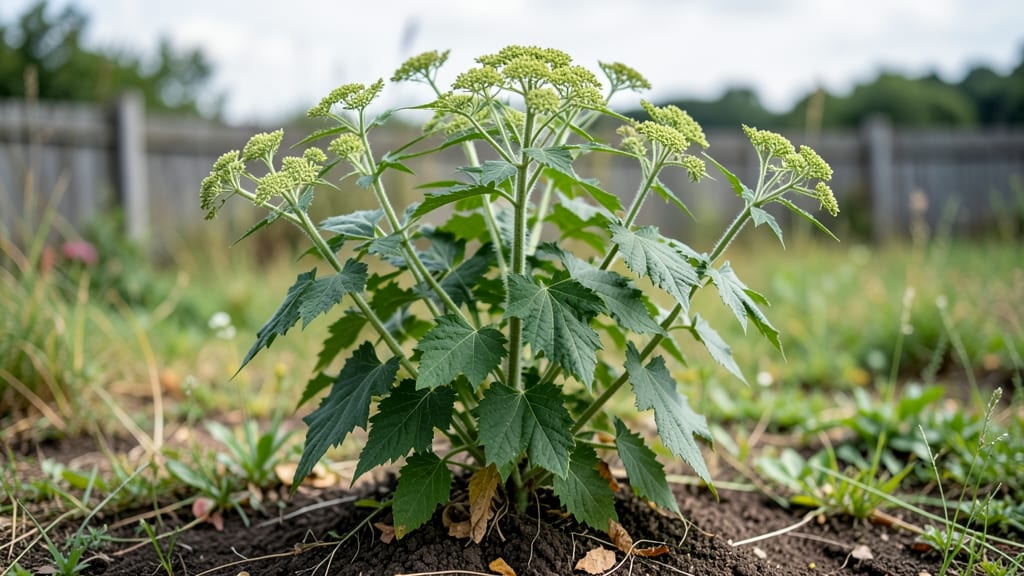
Big weed plants turn gardens into battlegrounds if left unchecked. 🌱 I’ve spent years wrestling with aggressive weeds like bindweed and milkweed that choke out prized plants, and the key to reclaiming your garden lies in strategic pruning—not brute force.
The right timing and technique can transform these nuisances into manageable growth, preserving your garden’s health without harsh chemicals.
Manual removal works best when weeds are young, but mature plants require precision. Grab a sharp hoe or pruners and cut at the base—never pull, or you’ll risk spreading roots. For persistent weeds like dandelions, dig deep to remove the taproot entirely.
Natural herbicides like vinegar or boiling water can help, but they’re most effective on small patches. The goal isn’t just removal but preventing regrowth by addressing the root system.
You’ll notice a difference within 2-4 weeks as new growth slows and desirable plants reclaim space. Strategic pruning also reduces seed production, cutting down on future weed cycles. Keep an eye out for look-alikes like young asparagus or wild onions—always check leaf patterns and root structures before pulling.
This method works year-round, though early spring and late fall are ideal for most weeds. For stubborn invaders, repeat treatments may be needed, but consistency pays off. Your garden will reward you with cleaner beds and healthier plants—without the backbreaking work.
📚 In This Guide
- What you need
- Instructions
- Tips and common mistakes
- Wrapping up and next steps
What you need
- ● Seeds or seedlings: Choose fragrant varieties (e.g., Lavender ‘Grosso’, Rosemary ‘Tuscan Blue’, or Mugwort ‘Yellow Giant’). Buy 5–10 plants or seeds per square foot for dense growth.
- ● High-quality potting mix: 10–15 gallons of well-draining soil (e.g., cactus/succulent mix or add perlite/vermiculite for aeration).
- ● Containers or garden beds: Containers: 5–10 gallon pots (1 plant per 5 gallons) with drainage holes.
- ● Garden beds: Full sun exposure (6+ hours/day) and loose, fertile soil (pH 6.0–7.0).
- ● Fertilizer: Slow-release organic fertilizer (e.g., 10-10-10 or composted worm castings). Use 1–2 tbsp per plant every 4–6 weeks.
- ● Pruning shears: Sharp, sterilized shears (e.g., Felco F-2) for clean cuts.
- ● Watering can or hose: With a gentle spray nozzle (avoid soggy roots!).
- ○ Glove set: Heavy-duty gardening gloves (optional but recommended for thorny plants like Rosemary).
- ○ pH test kit: To monitor soil acidity (optional but helpful for troubleshooting).
- ● Sunlight: Full sun (6+ hours/day) for most fragrant weed plants (except shade-tolerant Mugwort).
- ● Climate awareness: Hardiness zones 5–10 (adjust watering in winter for tender plants).
- ● Patience: Fragrant plants thrive with consistent care—prune regularly to encourage bushiness!
How to cultivate and maintain fragrant weed plants year-round
Transform wild, overgrown plants into structured, aromatic shrubs with these pruning techniques.
🌿 Step 1: Identify and Select Healthy Plants
Start by choosing weed plants with vigorous growth and no signs of disease. Look for stems that are thick and woody at the base, indicating maturity and resilience. I focus on plants with multiple branches and lush green foliage—these are the ones that will respond best to pruning and training. Avoid plants with yellowing leaves or sparse growth, as they won’t recover well.
Use a pair of clean, sharp pruning shears to examine the plant closely. Healthy plants will have a strong scent when leaves are crushed, which is your first clue that they’ll develop into fragrant specimens. If the plant smells dull or musty, it’s better to skip it and find another candidate. This step ensures you’re working with a plant that has the genetic potential for strong fragrance.
✂️ Step 2: Prune for Structure and Airflow
Begin pruning by removing dead or damaged branches first—these are the ones that are brown, brittle, or clearly dying back. Cut these away at the base, just above a leaf node or bud, to encourage new growth. Next, thin out any crowded branches to improve air circulation. I aim to create an open, airy structure by removing about one-third of the plant’s interior growth.
Focus on shaping the plant into a rounded, bushy form rather than letting it grow tall and leggy. This encourages denser foliage and stronger fragrance. Make cuts just above a set of leaves or a bud, always at a 45-degree angle to prevent water from pooling on the wound. Avoid cutting into old, woody growth—this won’t regenerate well and can harm the plant.
🌱 Step 3: Encourage New Growth with Strategic Cuts
After shaping the plant, make selective cuts to stimulate new shoots. Look for branches that are growing inward or crossing over others—these should be pruned back to just above a leaf node. This redirects the plant’s energy into producing new, outward-facing growth, which will be denser and more aromatic. I like to prune in early spring or late winter, just as the plant begins to wake up from dormancy.
If the plant is particularly leggy, you can also cut back some of the taller stems by about one-third of their length. This forces the plant to put energy into developing side branches rather than growing taller. Within 4-6 weeks, you’ll see new shoots emerging from the pruned areas—this is your signal that the plant is responding well. Keep an eye out for soft, green growth as a sign of successful regeneration.
☀️ Step 4: Maintain Year-Round Fragrance with Regular Care
To keep your weed plants fragrant and healthy, prune lightly every 3-4 months throughout the growing season. This prevents the plant from becoming overgrown and woody, which dulls the scent. I also recommend fertilizing lightly with a balanced, organic fertilizer in early spring to support new growth. Avoid over-fertilizing, as this can lead to excessive leafy growth at the expense of fragrance.
Water deeply but infrequently—once a week in dry conditions—to encourage deep root growth. The soil should be dry to the touch 1-2 inches down before watering again. Mulch around the base of the plant with 2-3 inches of organic mulch to retain moisture and suppress weeds. This keeps the plant’s energy focused on fragrance production rather than competing with invasive species.
⏰ Step 5: Harvest and Preserve Fragrance
To maximize fragrance, harvest leaves and stems in the morning after dew has dried, when essential oils are at their peak. Use clean scissors to cut just above a leaf node, leaving enough foliage for the plant to continue growing. You can dry the harvested material by hanging small bundles upside down in a warm, dry, dark place for 1-2 weeks until crisp.
Store dried leaves in an airtight container away from direct sunlight. For immediate use, crush fresh leaves between your fingers to release their scent. Regular harvesting actually encourages the plant to produce more fragrant foliage as it compensates for the pruning. This step ensures your weed plants stay productive and aromatic throughout the year.
Tips & tricks for perfect fragrant weed cultivation
Transforming wild plants into fragrant shrubs requires patience and precision—here's how to elevate your pruning game for maximum aroma.
Selection Strategy: When evaluating plants in Step 1, focus on the scent test as your primary indicator. Crush a few leaves between your fingers—if the aroma is faint or unpleasant, the plant won't develop strong fragrance regardless of pruning. I've found that plants growing in well-drained soil with partial sunlight consistently produce the most aromatic foliage. This initial selection is where 80% of your success begins.
Pruning Precision: In Step 2, pay special attention to the 45-degree angle when making cuts—this prevents water from pooling on the wound, which can lead to rot. I recommend using a clean, sharp pair of pruning shears (disinfected with rubbing alcohol) to make clean cuts that heal faster. For particularly thick branches, consider using a small handsaw for a smoother cut that won't tear the bark.
Growth Stimulation: The strategic cuts in Step 3 work best when made just above a leaf node where new growth will emerge. I've noticed that making these cuts in late winter (just before new growth begins) gives the plant a stronger start. Watch for the first signs of new shoots—these will appear within 4-6 weeks as soft, green growth. If you don't see new growth within this window, you may have pruned too late in the season.
Year-Round Maintenance: The 3-4 month pruning schedule in Step 4 helps maintain that bushy form we're aiming for. I've found that combining this with a light application of organic fertilizer (about 1 tablespoon per plant) in early spring gives the best results. Just be cautious with watering—overwatering can dilute the essential oils that create the fragrance, so stick to that once-a-week guideline unless you're in extremely dry conditions.
Pro Tips for Big Weed Plants
- Transforming wild plants into fragrant shrubs requires patience and precision—here's how to elevate your pruning game for maximum aroma.
- Selection Strategy: When evaluating plants in Step 1, focus on the scent test as your primary indicator.
- Pruning Precision: In Step 2, pay special attention to the 45-degree angle when making cuts—this prevents water from pooling on the wound, which can lead to rot.
Frequently asked questions
Got questions about growing big weed plants? You’re not alone! Here are some common queries—and expert answers—to help you cultivate lush, fragrant greenery year-round.
How do I know when my weed plants are ready for pruning?
Prune when your plants are active but not overgrown—typically in early spring or after flowering. Look for new growth (3-6 inches tall) and avoid cutting more than ⅓ of the plant at once. Over-pruning stresses the plant, while waiting too long sacrifices fragrance and density.
How often should I prune for maximum fragrance?
For consistent blooms and scent, prune 2-3 times per year:
- Spring (March-April): Trim dead or leggy growth to encourage bushiness.
- Summer (June-July): Lightly shape after flowering to redirect energy.
- Fall (September-October): Prune back by ⅓ to prep for winter dormancy.
Can I prune weed plants in winter?
Yes, but only if they’re dormant (no green growth). Prune barely—just remove dead foliage—to avoid shocking the plant. If your climate is mild, a light trim in late winter (Feb) can stimulate early spring growth. In freezing zones, wait until after the last frost.
What if my weed plants stop smelling after pruning?
Loss of fragrance often means nutrient deficiency or over-pruning. Try:
- Fertilizing with low-nitrogen, high-phosphorus compost (e.g., bone meal).
- Reducing pruning frequency to once every 4-6 months.
- Ensuring 6+ hours of sunlight daily—weak plants = weak scent.
Are there non-pruning alternatives to keep weed plants big?
If pruning feels like too much work, try these low-maintenance tricks:
- Thinning seedlings: Space plants 12-18 inches apart to reduce competition.
- Mulching: Use 3-4 inches of organic mulch (straw, leaves) to retain moisture and suppress weeds.
- Companion planting: Pair with lavender or rosemary to deter pests naturally.
Wrapping up and next steps
Growing big weed plants that thrive year-round isn’t just about luck—it’s about strategy! By mastering pruning techniques and pairing them with the right companion plants, you can enjoy lush greenery and intoxicating fragrance without the hassle.
Whether you’re a seasoned gardener or just starting, these tips will help you create a thriving, low-maintenance garden that keeps giving.
Ready to take the next step? Experiment with a small batch of your favorite herbs or flowers, document your pruning schedule, and watch your garden transform! 🌿 With patience and practice, you’ll be well on your way to a fragrant, flourishing outdoor space.