
Companion Plants
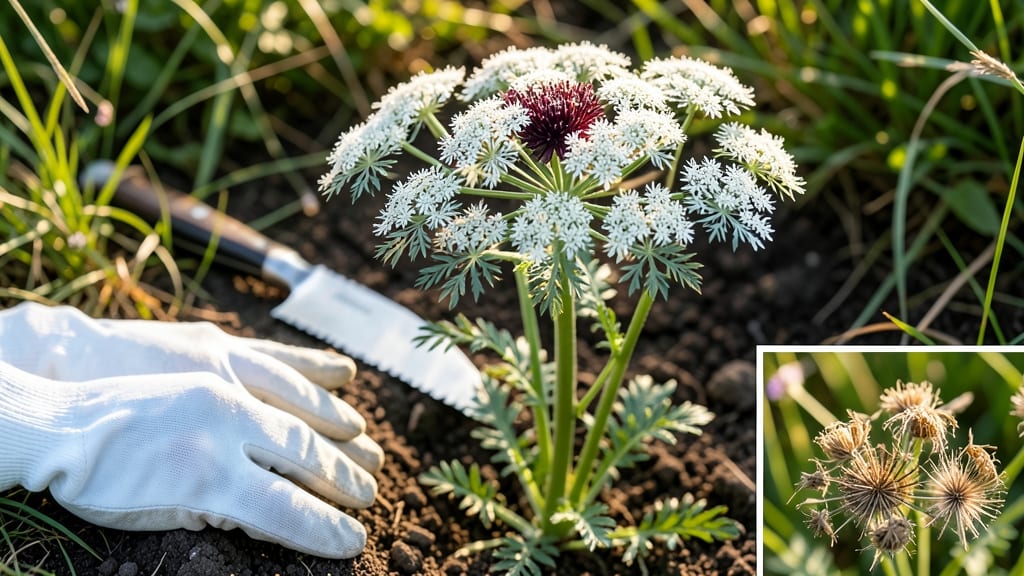
Queen Anne's lace might look pretty, but it's actually a sneaky weed that can take over your garden. 🌿 I learned the hard way when it crowded out my tomatoes and peppers last summer—until I discovered how to manage it without harsh chemicals.
This wild carrot relative spreads aggressively through its taproot system, but it also has a surprising benefit: its presence deters pests like carrot flies and aphids. The key is controlling its growth while keeping its natural pest-repelling properties.
You'll learn to spot it early (look for lacy white flowers with a tiny red center), pull it before it seeds, and use mulch to block regrowth. With these methods, you'll keep your garden thriving without losing the plant's benefits.
Works for organic gardeners, small spaces, and anyone tired of battling invasive weeds. Let's get your garden back in balance!
📚 In This Guide
- What you need
- Instructions
- Tips and common mistakes
- Wrapping up and next steps
What you need
- ● Queen Anne’s Lace seeds – 1–2 packets (50–100 seeds) (ensure they’re organic or untreated for companion planting).
- ● Well-draining soil – Loamy or sandy soil with pH 6.0–7.0 (amend with compost if needed).
- ● Sunlight access – Full sun (6+ hours daily) or partial shade (for cooler climates).
- ● Watering can or hose – Light misting for seedlings; 1–2 inches of water weekly for mature plants.
- ○ Garden gloves – Optional but recommended (to protect hands while handling plants or soil).
- ● Hand trowel or transplanting spade – For digging small holes (1/2 inch deep).
- ● Pruning shears – For trimming mature plants (if using leaves/stems for pest control).
- ○ Spray bottle (optional) – For diluting Queen Anne’s Lace tea (if repurposing as a spray).
- ● Compost or mulch – 1–2 inches to retain moisture and suppress weeds.
- ● 🌱 Planting time: Sow seeds 2–3 weeks before the last frost or in early spring for best results.
- ● 🐛 Pest compatibility: Pair with carrots, tomatoes, or cabbage for maximum pest-repelling benefits.
- ● ⚠️ Caution: Avoid planting near parsnips or fennel—they’re in the same family and can cross-pollinate.
Step-by-step guide to using Queen Anne's lace as a natural pest repellent
This delicate wildflower isn't just pretty—it's a powerhouse for keeping pests at bay.
🌱 Step 1: Identify and Select Healthy Queen Anne's Lace Plants
Queen Anne's lace (Daucus carota) thrives in sunny, open spaces and often pops up in meadows or along roadsides. Look for plants with feathery, lacy foliage and white flower clusters (sometimes with a single red flower in the center). Avoid plants near roadsides or sprayed areas—they may carry herbicide residues.
Pick plants that are 2-3 feet tall with multiple flower stems. These mature plants produce the most seeds and have the strongest pest-repelling properties. Use gloves to handle the plants—the stems can be prickly. I like to harvest on a dry, sunny morning when the dew has evaporated but the plants are still fresh.
🌿 Step 2: Harvest and Dry the Flowers and Seeds
Cut the entire flower head with 4-6 inches of stem attached. Place them in a brown paper bag (not plastic) and tie the top loosely. Hang the bag in a dry, dark, well-ventilated space for 2-3 weeks. The seeds will naturally fall into the bag as they mature.
Once the flower heads are completely dry and brittle, shake the bag gently to release the seeds. Store them in a small glass jar with a tight-fitting lid in a cool, dark place. These seeds retain their pest-repelling properties for up to a year, making them a long-term solution for your garden.
✂️ Step 3: Prepare the Pest-Repellent Mixture
Crush 1 cup of dried Queen Anne's lace seeds in a mortar and pestle or a clean coffee grinder until you have a fine powder. Mix this powder with 2 cups of water in a spray bottle. Shake well before each use—this ensures the active compounds are evenly distributed.
For a stronger repellent, steep 1 cup of dried flower heads in 4 cups of boiling water for 1 hour, then strain. Use this tea-like liquid directly in your spray bottle. The scent of Queen Anne's lace confuses pests like aphids, cabbage moths, and carrot flies, deterring them from your garden without harming beneficial insects.
💧 Step 4: Apply the Repellent to Your Garden
Spray the mixture evenly over the leaves and stems of your plants, focusing on the undersides of leaves where pests often hide. Apply in the early morning or late evening to avoid damaging plants in direct sunlight. Reapply every 5-7 days or after heavy rain to maintain effectiveness.
For a preventive measure, sprinkle the dried seeds or powder directly into the soil around your plants. The scent alone will deter pests from laying eggs or feeding. I also like to plant Queen Anne's lace along garden borders—its natural growth habit makes it a beautiful and functional living barrier.
☀️ Step 5: Maintain and Monitor Your Garden
Keep an eye out for pests like aphids, flea beetles, or cabbage worms—Queen Anne's lace is especially effective against these common garden nuisances. If you notice an increase in pest activity, reapply the spray or refresh the seed barrier in the soil.
This method works best in organic gardens where chemical pesticides aren’t used. The natural compounds in Queen Anne's lace are safe for humans and pets once fully dried and applied correctly. Enjoy your pest-free garden while adding a touch of wild beauty to your landscape!
Tips & tricks for perfect Queen Anne's lace pest repellent
Here's what I've learned from years of using Queen Anne's lace to keep my garden thriving without chemicals.
Selection Tip: The key to strong pest-repelling power lies in choosing mature plants. Look for Queen Anne's lace with fully developed flower clusters—these produce the most seeds. I always check for that distinctive single red flower in the center, which signals a healthy, mature plant ready for harvesting. The prickly stems are a good sign too; they indicate the plant is mature enough for maximum effectiveness.
Drying Strategy: Those 2-3 weeks of drying might seem long, but patience pays off. Store your brown paper bags in a place with good airflow to prevent mold—think of a pantry with a small window or a basement corner. I've found that adding a few holes in the bag helps with ventilation without letting seeds escape. Once completely dry, the seeds should rattle when you shake the bag.
Application Technique: When applying your repellent spray, focus on the undersides of leaves where pests hide. I use a fine mist setting on my spray bottle to ensure even coverage. For stubborn infestations, I've had success combining the seed powder with a bit of dish soap (just a drop) to help it stick better to the leaves. Always apply in the early morning so the solution has time to dry before the sun gets too intense.
Pro Tips for Queen Anne'S Lace Weed
- Here's what I've learned from years of using Queen Anne's lace to keep my garden thriving without chemicals.
- Selection Tip: The key to strong pest-repelling power lies in choosing mature plants.
- Drying Strategy: Those 2-3 weeks of drying might seem long, but patience pays off.
Frequently asked questions
Got questions about Queen Anne’s Lace (wild carrot) as a natural pest repellent? You’re not alone!
Here are answers to the most common queries—whether you're just starting or troubleshooting your garden.
Is Queen Anne’s Lace safe to plant near edible crops?
Yes! Queen Anne’s Lace is non-toxic and acts as a companion plant that deters pests like aphids, carrot flies, and even rabbits. However, avoid planting it directly with carrots—they’re in the same family and can cross-pollinate, potentially producing wild-type seeds.
How long does it take to see pest-repelling effects?
You’ll notice a difference within 2–4 weeks of planting, as the strong scent repels insects. For best results, let it grow to 2–3 feet tall before relying on it as a barrier. Pair it with other pest-deterring plants (like marigolds) for faster results.
Can I use Queen Anne’s Lace in containers or small gardens?
This hardy plant thrives in containers as long as they’re at least 12 inches deep. Place it near vulnerable plants (e.g., herbs, lettuce) and trim it back if it outgrows its space. Just ensure it gets full sun—it won’t perform well in shade.
What do I do if Queen Anne’s Lace spreads too aggressively?
While it’s not invasive, its seeds can spread easily. Deadhead flowers before they go to seed to control spread. If it takes over, dig up unwanted plants and compost them (or use them as mulch). Pro tip: Plant it in isolated beds if your garden is small.
Are there alternatives if I don’t want Queen Anne’s Lace?
Yes! Try these pest-repelling plants:
- Marigolds – Deter nematodes and aphids.
- Garlic/chives – Repel Japanese beetles and rabbits.
- Basil – Keeps mosquitoes and flies away.
- Nasturtiums – Trap aphids and attract beneficial insects.
Wrapping up and next steps
Queen Anne’s lace isn’t just a pretty wildflower—it’s a powerhouse ally for organic gardeners! 🌿 By strategically planting it near pests like aphids, cabbage worms, and carrot flies, you’ll naturally protect your veggies without harsh chemicals. Plus, its delicate beauty adds charm to your garden while keeping it thriving.
Ready to give it a try? Start small—plant a few patches near your most vulnerable crops this season, and watch your garden flourish without the fuss. Happy gardening! 🌱