
Plants
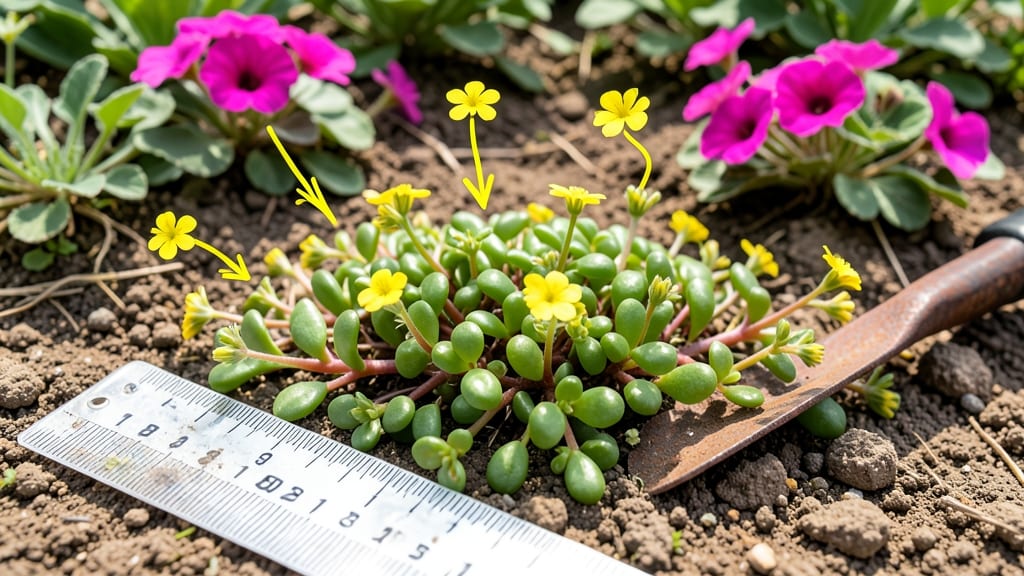
That succulent-looking purslane weed look-alike in your garden might be the real deal—or it might be something else entirely. 🌱 I’ve pulled up enough "purslane" to know the difference matters: one’s edible, the other’s a nuisance. The key? Leaf shape, stem texture, and how they spread.
Purslane has thick, fleshy stems and rounded leaves that grow flat along the ground, while chickweed has smooth, slender stems and tiny oval leaves that point upward.
Portulaca (true purslane) stays low and sprawling, whereas weeds like prostrate spurge have milky sap when broken. A quick squeeze test reveals the difference.
Once you spot the real deal, you’ll know whether to harvest it for salads or pull it out fast. True purslane thrives in heat, while its look-alikes often wilt or spread aggressively. The right ID means no more wasting time on the wrong plant.
Grab a magnifying glass and compare stems, leaves, and growth habits—it’s the fastest way to tell them apart. Confusion leads to wasted effort, so nail this first, and your garden (or dinner plate) will thank you.
📚 In This Guide
- What you need
- Instructions
- Tips and common mistakes
- Wrapping up and next steps
What you need
- ● Fresh plant samples: Collect 3–5 examples of purslane and potential look-alikes from your garden, yard, or a trusted local source. Ensure they’re healthy and free of pests.
- ● Magnifying glass or hand lens: A 10x magnification tool helps inspect tiny details like leaf textures, stem patterns, or seed structures.
- ● Notebook and pen: Jot down observations like leaf shape, color, growth pattern, and any distinguishing features.
- ● Ruler or measuring tape: Measure leaf length, stem thickness, and spacing between nodes (growth points) for precise comparisons.
- ● Knife or pruning shears: For safely cutting stems or leaves to examine internal structures (e.g., sap color or stem cross-sections).
- ● Plastic bags or containers: Store samples in a cool, shaded place until you analyze them (avoid crushing delicate leaves!).
- ● Field guide or plant identification app: Apps like PlantNet or iNaturalist can cross-reference your findings.
- ● Camera with macro setting: Capture high-resolution photos of leaves, stems, and flowers for later review.
- ● pH test kit: If testing soil, purslane thrives in slightly alkaline conditions (pH 6.0–7.5), while look-alikes may prefer different ranges.
- ● Gloves: Protect your hands when handling prickly or unknown plants (e.g., some spurges or portulacas).
- ● Reference samples: If possible, compare your finds to a known purslane plant or a trusted online database image.
How to quickly tell purslane apart from common weed look-alikes
Here's how to spot the difference in under a minute—no gardening degree required.
🌱 Step 1: Check the Leaf Shape and Arrangement
Purslane leaves are thick, fleshy, and oval-shaped with a slightly rounded tip. They grow in a flat, fan-like pattern along the stem. Run your thumb over one—it'll feel almost succulent-like, storing water like a tiny reservoir.
Common look-alikes like prostrate spurge have thinner, more pointed leaves that feel papery. Another giveaway: purslane's leaves are opposite each other on the stem, while many weeds have leaves that alternate or grow in whorls. Snap a stem—purslane's will bend but not break easily, thanks to its thick stems.
🌿 Step 2: Examine the Stem and Growth Pattern
Purslane grows low to the ground, spreading horizontally with stems that root at the nodes where leaves attach. The stems are bright green to reddish and feel slightly waxy. If you see a plant sprawling with multiple points where roots could form, that's a key purslane trait.
Compare it to lamb's quarters, which has a more upright, leafy growth pattern. Purslane's stems are cylindrical and segmented, while weeds like chickweed have hairy stems that feel fuzzy to the touch. Pull gently on a stem—if it detaches easily from the root, it's likely a weed, not purslane.
☀️ Step 3: Look for Flowers and Seed Pods
Purslane produces tiny, bright yellow flowers that bloom in clusters at the stem tips. These flowers are 5-petaled and star-shaped, appearing in summer. If you see a plant with these flowers, it's definitely purslane—no other common weed look-alike has the same flower structure.
Check for seed pods too. Purslane's seed capsules are small, round, and dark red or brown when mature. Many weeds produce seeds that look like tiny spiky balls or fluffy tufts. If you're unsure, wait until the plant flowers—this is the fastest way to confirm its identity.
💧 Step 4: Test the Plant's Juice and Taste
Break off a leaf and squeeze it gently. Purslane's juice is clear and slightly milky, with a crisp, lemony flavor. Many weeds, like wild portulaca (which looks similar), have a bitter or soapy taste. If the juice is bitter or the leaf has a strong odor, it's likely a weed.
Here's the thing—purslane is edible and delicious, while most of its look-alikes are not. If you're unsure, start with a small taste test on a leaf. A mild, slightly tangy flavor means it's purslane. A sharp or unpleasant taste means it's better left in the garden as a weed.
✂️ Step 5: Dig Up and Inspect the Roots
If you're still unsure, dig up a small section of the plant. Purslane has a shallow, fibrous root system that spreads horizontally. The roots are thin and white, branching out in all directions. Weeds like prostrate knotweed have thicker, more defined roots that grow deeper.
Pull the plant gently—purslane's roots will resist slightly due to their fibrous nature, while weed roots often pull out cleanly. If the plant resists and you see multiple thin roots, it's purslane. This step is the most definitive but should only be used if you're still unsure after checking the other traits.
Tips & tricks for quick purslane identification
Here's what nobody tells you—these quick tricks will help you spot purslane in seconds, even if you're new to gardening.
Texture Test: The single fastest way to confirm purslane is to run your thumb over a leaf. Purslane's leaves feel thick and almost succulent-like, storing water like a tiny reservoir. Weed look-alikes like prostrate spurge have thinner, papery leaves that feel completely different. This texture test takes just 2 seconds and eliminates half the guesswork right away.
Growth Pattern Clues: Focus on how the plant spreads. Purslane grows low to the ground in a sprawling pattern, with stems that root at the nodes where leaves attach. If you see a plant with multiple points where roots could form along its length, that's your purslane. Weeds like chickweed grow upright with hairy stems that feel fuzzy—completely different texture and structure.
Seasonal Shortcut: If you're identifying plants in summer, look for tiny bright yellow flowers that bloom in clusters at the stem tips. These 5-petaled, star-shaped flowers are unique to purslane—no other common weed look-alike has this exact flower structure. This is the fastest way to confirm identification when flowers are present.
Pro Tips for Purslane Weed Look Alike
- Here's what nobody tells you—these quick tricks will help you spot purslane in seconds, even if you're new to gardening.
- Texture Test: The single fastest way to confirm purslane is to run your thumb over a leaf.
- Growth Pattern Clues: Focus on how the plant spreads.
Frequently asked questions
Got questions about distinguishing purslane from its look-alikes? You’re not alone!
Here are some of the most common concerns—and quick answers—to help you navigate the greens with confidence.
What does purslane look like compared to other weeds?
Purslane (Portulaca oleracea) has thick, succulent stems and rounded leaves arranged in pairs. Common look-alikes include spiny amaranth (has spiky leaves) and prostrate knotweed (slender stems, no succulence). Check for tiny yellow flowers—purslane’s signature!
When is the best time to harvest purslane?
Harvest young purslane leaves (before flowering) for the tenderest texture and mildest taste. Spring and early summer are ideal. Avoid harvesting after rain—leaves become waterlogged and bitter. Pro tip: Snip stems with scissors to encourage regrowth!
Is purslane safe to eat if it looks like a toxic weed?
Never eat a plant unless you’re 100% sure it’s purslane. Toxic look-alikes like pigweed or smartweed can cause stomach upset. When in doubt, skip it—your safety matters more than a free meal!
Can I substitute purslane in recipes if I can’t find it?
Yes! Use spinach or watercress as a close substitute, but reduce cooking time (purslane wilts faster). For a succulent crunch, try iceberg lettuce (raw) or kale (lightly sautéed). Just add a splash of lemon to mimic purslane’s tang!
Why does my purslane taste bitter?
Bitterness usually means it’s overmature or stressed (from heat/drought). Harvest younger leaves or grow purslane in partial shade to keep flavors mild. Bonus: A pinch of salt or vinegar in cooking can mask bitterness!
Wrapping up and next steps
Identifying purslane and its look-alikes doesn’t have to be a guessing game! By focusing on leaf shape, growth patterns, and texture, you can confidently distinguish this nutrient-packed weed from its doppelgängers.
Whether you’re foraging for a superfood or managing your garden, knowledge is your best tool—now you’ve got it! 🌱✨
Ready to put your new skills to the test? Grab a magnifying glass, head outdoors, and start exploring—you might just uncover a delicious (or pesky) plant surprise lurking in your backyard! 🌿🔍