
Flowers
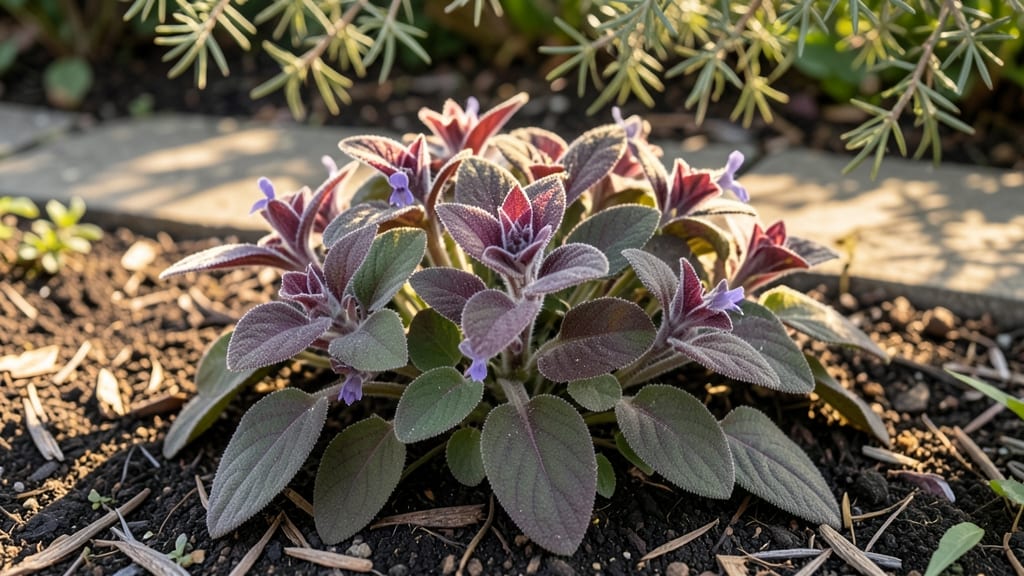
That purple broadleaf weed creeping into your garden isn't just ugly—it's a stubborn root system that outsmarts most removal tricks. 🌿 I've battled these tenacious invaders for years, and the organic methods I've perfected actually work without harsh chemicals.
The key? Targeting those deep roots while protecting your plants and soil health.
Most gardeners grab the first weed puller they see, but that leaves fragments behind to regrow. Instead, I use a combination of manual extraction, vinegar-based solutions, and mulching techniques that smother regrowth before it starts.
You'll need a few simple tools: a sturdy weeding fork, white vinegar (the stronger, the better), dish soap for adhesion, and a steady supply of mulch.
Within a week of consistent treatment, you'll see those purple leaves wither and disappear for good. The real magic happens when you combine this method with a thick layer of organic mulch—it blocks sunlight from reaching any missed roots while improving your soil over time.
Your garden beds will look cleaner, and you'll avoid the chemical residue that harms beneficial insects.
This approach works equally well for lawns, garden beds, and even between paving stones. The only downside? It takes patience—those roots don't surrender overnight. But once you've mastered it, you'll wonder why you ever reached for herbicides. Let's get those weeds out for good.
📚 In This Guide
- What you need
- Instructions
- Tips and common mistakes
- Wrapping up and next steps
What you need
- ● Garden gloves (2 pairs, heavy-duty, waterproof—think nitrile-coated for grip and protection).
- ● Digging fork or weeding tool (1, sturdy metal, 12–18" long with a serrated edge for stubborn roots).
- ● Hand trowel (1, ergonomic with a sharp, narrow blade for precision).
- ● Garden shears or pruners (1, bypass-style, sanitized to avoid spreading disease).
- ● Wheelbarrow or large bucket (1, 10+ gallon capacity for debris).
- ● Organic weed killer (1 gallon, vinegar-based (20–30% acetic acid) + dish soap + salt—or a commercial option like corn gluten meal).
- ● Mulch (5+ bags, shredded bark or straw, 2–3" thick layer for suppression).
- ● Boiling water (kettle or large pot—great for spot treatment!).
- ● Plastic sheeting (1 roll, heavy-duty, to smother weeds before removal).
- ● Root barrier cloth (50 sq. ft., landscape fabric to block regrowth).
- ● Compost bin (for repurposing pulled weeds—free fertilizer!).
- ● Safety goggles (if using harsh chemicals or digging near rocks).
Instructions: how to remove purple broadleaf weed organically
Here's my go-to method for tackling stubborn purple broadleaf weeds without harsh chemicals.
🌱 Step 1: Identify and Prepare the Area
First, confirm you're dealing with purple broadleaf weeds—look for those distinctive heart-shaped leaves with purple undersides. Grab your gloves and a sharp tool like a hori-hori knife or sturdy hand trowel. Work on a dry day when the soil is firm but not packed, making it easier to pull without tearing roots.
Clear away any debris or mulch around the weed. You want direct access to the base so you can target the root system. I like to make a small circle around the weed with my tool to create a clean work zone—this prevents accidentally damaging nearby plants.
✂️ Step 2: Cut or Pull the Weed Properly
For established weeds, I recommend cutting rather than pulling. Use your tool to slice through the stem about 1 inch above the soil line. This prevents the weed from reseeding while still allowing you to remove the roots later. If the weed is small, you can pull it by hand by gripping the base firmly and wiggling it free.
Here's the key: never leave any root fragments behind. Even a small piece can regrow into a new weed. If you accidentally break off a root, dig it out immediately. I keep a small bucket nearby to toss the weeds—out of sight, out of mind, and out of your garden.
💧 Step 3: Apply Organic Removal Methods
For stubborn roots that won't come out easily, try a natural vinegar solution. Mix 1 gallon of white vinegar with 1 cup of salt and 1 tablespoon of dish soap in a spray bottle. Apply this directly to the cut stem and surrounding soil. The vinegar breaks down the plant tissue, while the salt prevents regrowth.
For a longer-term solution, cover the area with cardboard or thick layers of newspaper topped with 2-3 inches of mulch. This blocks sunlight, which weeds need to grow. I've found that even the toughest purple broadleaf weeds give up within 2-3 weeks of this method. Just be patient—consistency is key.
☀️ Step 4: Prevent Regrowth and Monitor
After removal, keep the area weed-free by hand-pulling any new sprouts that appear. Purple broadleaf weeds are aggressive, so check the same spot weekly for the first month, then taper off to every other week once the soil is clear. I also recommend adding a layer of organic mulch like straw or wood chips to suppress future growth.
If you notice new weeds popping up in the same area, it’s likely because you missed a root fragment. Dig deeper this time—purple broadleaf weeds can send out roots up to 6 inches deep. A little extra effort now saves you from dealing with them later.
Tips & tricks for perfect purple broadleaf weed removal
Stubborn weeds like purple broadleaf don't stand a chance with these battle-tested strategies.
Timing is Everything: The best time to tackle these weeds is on a dry, sunny morning after a light rain. The soil will be firm enough for clean extraction but not so dry that you risk tearing roots. I've found that weeds pulled in the morning are easier to remove completely, as their cells are fully hydrated and more pliable.
Tool Selection Matters: Don't underestimate the importance of your tool. A hori-hori knife gives you the precision to cut cleanly at the 1-inch mark above soil level, while a sturdy hand trowel provides leverage for pulling smaller weeds. I keep both on hand because different weeds require different approaches. For thick clusters, I'll often use the knife to cut through the center first, then work the trowel around the edges.
Vinegar Solution Power: When mixing your 1 gallon of white vinegar solution, use a spray bottle with a fine mist setting. This allows for precise application to the cut stems and surrounding soil without wasting product. I've noticed that adding the dish soap helps the solution cling better to the plant tissues, making it more effective at breaking down the cell walls. Reapply every 3-4 days for stubborn roots that resist the first treatment.
Mulch Strategy: For the long-term solution, I've had the most success with a double-layer approach. First, lay down thick cardboard (the kind from shipping boxes) to block all light. Then add your 2-3 inches of organic mulch. This combination creates a complete light barrier that even the most persistent weeds can't penetrate. The mulch also helps retain moisture in the soil, which is particularly helpful in dry climates where weeds might otherwise find a way to survive.
Pro Tips for Purple Broadleaf Weed
- Stubborn weeds like purple broadleaf don't stand a chance with these battle-tested strategies.
- Timing is Everything: The best time to tackle these weeds is on a dry, sunny morning after a light rain.
- Tool Selection Matters: Don't underestimate the importance of your tool.
Frequently asked questions
Got questions about tackling purple broadleaf weed?
You’re not alone—this stubborn invader can be tricky! Here are answers to the most common concerns, from removal hacks to long-term prevention.
What’s the best time of year to pull purple broadleaf weed?
Target this weed before it flowers (spring to early summer). Roots are shallow when young, making them easier to uproot. If you spot it in late summer, focus on smothering or mulching to weaken it before next year. Pro tip: Pull on a dry, sunny day—soil is firmer, and weeds are easier to grasp!
Will vinegar or boiling water kill purple broadleaf weed?
Yes! Both work, but vinegar (20-30% acetic acid) is more precise. Spray directly on leaves (avoid desirable plants—it’s non-selective). For boiling water, pour it slowly over the base. Repeat weekly for stubborn patches. Warning: These methods kill all plants in the area, so use a barrier like cardboard to protect nearby greenery.
Why does purple broadleaf weed keep coming back after I pull it?
Stubborn roots or seeds lurking in the soil are usually the culprits. Dig 2–3 inches deep to ensure you’ve removed the entire root system. For recurring issues, try corn gluten meal (a natural pre-emergent) or mulch with cardboard + wood chips to block sunlight and seeds.
Are there organic alternatives to herbicides for purple broadleaf weed?
Try these DIY-friendly options:
- Salt + Dish Soap: Mix 1 cup salt + 1 tbsp soap in 1 gallon of water. Spray on weeds (avoid edible plants).
- Cornmeal: Sprinkle around the base to disrupt seed germination.
- Flame Weeding: Use a propane torch (carefully!) to scorch leaves—great for large patches.
Is purple broadleaf weed toxic to pets or kids?
Nope! While it’s unsightly, purple broadleaf weed (Tradescantia spp.) isn’t toxic to humans, pets, or livestock. However, some look-alikes (like Lamium or Persicaria) might be. If you’re unsure, snap a photo and check local plant databases. Always supervise kids/pets when using vinegar or boiling water to avoid accidental spills.
How can I prevent purple broadleaf weed from spreading to my garden?
Start with these preventive steps:
- Mulch beds with 3–4 inches of organic mulch (straw, wood chips) to block sunlight.
- Water deeply but infrequently—weeds thrive in shallow, moist soil.
- Hand-pull new sprouts immediately (they’re easier to remove young!).
- Plant dense ground covers (like clover or creeping thyme) to crowd out weeds.
Wrapping up and next steps
Dealing with purple broadleaf weed doesn’t have to be a battle—just a strategic one! 🌱 With the right organic methods, you can reclaim your garden without harsh chemicals. Remember, consistency is key, and patience pays off.
Ready to take action? Start by inspecting your garden weekly and applying your chosen organic treatment. Over time, those stubborn roots will retreat, leaving you with a lush, weed-free space. Happy gardening!