
Flowers
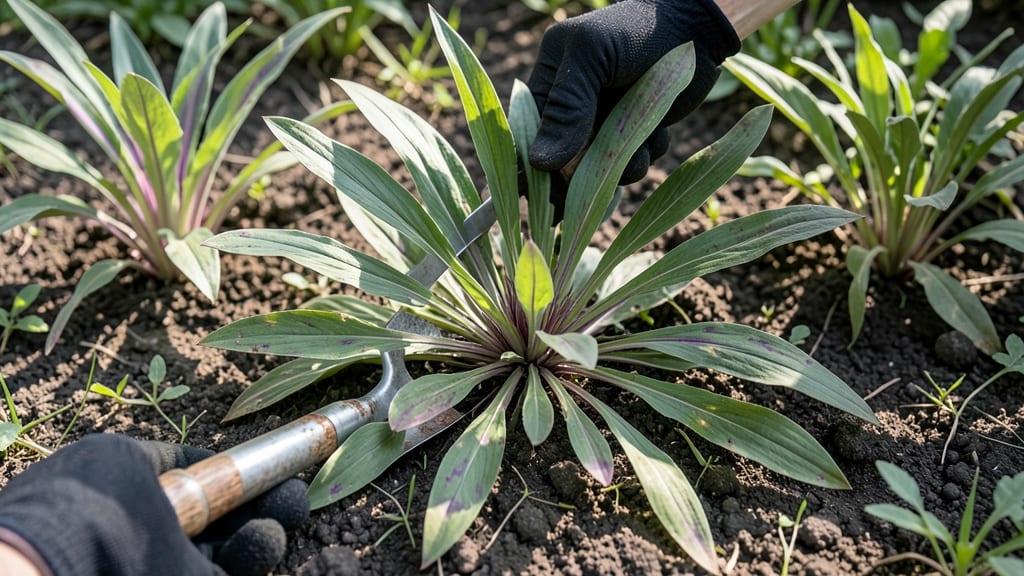
Those purple-topped weeds creeping through your garden aren’t just unsightly—they’re stubborn root invaders that multiply fast. 🌿 I’ve battled purple deadnettle and henbit in my yard, and let me tell you, pulling them early saves hours of frustration later. The secret? Knowing their growth habits and acting before they spread.
These weeds thrive in disturbed soil, so they often pop up after planting or mulching. Purple deadnettle has jagged leaves and spreads like a ground cover, while henbit forms dense mats in lawns and garden edges.
The key is removing them before they seed, which happens fast in warm weather. Once you spot them, gloves and a sharp tool are your best friends. Pull when the soil is moist (early morning works best), and don’t leave roots behind—they’ll regrow.
For stubborn patches, smother with cardboard or mulch to block sunlight. Regional tip: These weeds love cooler climates but retreat in extreme heat. In the South, they’re winter weeds; in the North, they peak in spring. Stay one step ahead, and your garden stays weed-free!
📚 In This Guide
- What you need
- Instructions
- Tips and common mistakes
- Wrapping up and next steps
What you need
- ● Garden Gloves – A pair of durable, breathable gloves (e.g., leather or heavy-duty cotton) to protect your hands from thorns, dirt, and blisters. Pro tip: Look for ones with reinforced palms for extra grip!
- ● Weeding Tools – Hand Trowel – A sturdy, stainless-steel trowel (5–7 inches long) for precision digging.
- ● Weeding Knife or Hori-Hori – A sharp, serrated-edge tool (like a Fiskars or Kobalt model) for slicing through thick roots.
- ○ Garden Fork – A heavy-duty, 4–6 tine fork (optional but helpful for deep-rooted weeds like purple loosestrife or bindweed).
- ● Garden Twine or Rope – A 10–15 ft. length of jute or nylon twine (for tying up weeds before disposal).
- ● Wheelbarrow or Large Trash Bags – A 5–10 gallon capacity wheelbarrow or heavy-duty trash bags (20+ gallon) for hauling debris.
- ● Watering Can or Hose – A lightweight, 1–2 gallon can or a hose with a showerhead nozzle for post-weeding hydration.
- ○ Vinegar or Natural Herbicide – Optional but effective: White Vinegar (20–30% acetic acid) – Mix with 1 tbsp dish soap per gallon for a non-toxic spray.
- ● Boiling Water – A 5-gallon kettle or pot for targeted root treatment.
- ● Kneeling Pad – A foldable, cushioned pad to save your knees during long sessions.
- ● Pruners or Loppers – For woody-stemmed weeds (e.g., creeping charlie or mint).
- ● Mulch (Straw or Wood Chips) – A 2–3 inch layer to prevent regrowth after weeding.
- ● Sun Hat & Sunscreen – Because no one enjoys a sunburn mid-weed-pull! 😎
Step-by-step guide to managing purple-topped weeds naturally
Here's how to tackle those stubborn purple-topped weeds without harsh chemicals.
🌱 Step 1: Identify and Target the Right Weeds
Start by examining the weeds with purple tops—common culprits include lamb's quarters, purslane, or young dandelions. These weeds often have deep roots, so proper identification helps you choose the best removal method. I like to pull in the early morning when soil is moist but not soggy; roots come out cleaner this way.
Look for the classic purple-tinged leaves or stems. If the weed has a milky sap when cut, it's likely a dandelion, which requires a different approach than broadleaf weeds. Grab a small trowel or your fingers to avoid bending stems, which can break off at the root.
✂️ Step 2: Use the Right Tools for Clean Removal
For small patches, a sturdy hand trowel or weeding fork works best. I prefer a fork because it lets me pry out weeds with long taproots without straining my back. For larger areas, a hoe with a sharp blade cuts weeds at the soil line, preventing regrowth from broken stems.
Never pull weeds by the leaves—this often leaves the root intact, and the weed will grow back stronger. Instead, grip the base of the weed where it meets the soil and wiggle it free. If the root snaps, use your tool to dig deeper and remove as much as possible.
💧 Step 3: Apply Natural Suppression Methods
After removal, prevent regrowth by covering bare soil with 2-3 inches of mulch (straw, wood chips, or grass clippings). Mulch blocks sunlight, which weeds need to germinate. I like to apply mulch right after weeding to smother any remaining seeds or root fragments.
For stubborn weeds like dandelions, spot-treat with a vinegar-based solution (3% acetic acid) mixed with a drop of dish soap. Apply on a dry, sunny day—this kills the plant without harming surrounding plants. Avoid spraying desirable plants, as vinegar can damage them too.
☀️ Step 4: Maintain Vigilance and Repeat as Needed
Weeds with purple tops often return, so check your garden weekly. Early detection makes removal easier. I set a reminder for every 7-10 days to inspect high-traffic areas like garden beds and walkways.
If weeds persist, adjust your approach. For example, if mulch isn't enough, try a corn gluten meal pre-emergent in early spring. It prevents weed seeds from sprouting while allowing your plants to grow. Apply it before weeds appear for best results.
🌿 Step 5: Strengthen Your Garden’s Defense
Healthy plants outcompete weeds, so focus on improving soil fertility and water retention. Add compost or aged manure to boost plant growth, making them less vulnerable to weed invasion. I mix compost into the top 2 inches of soil in early spring.
Water deeply but infrequently—this encourages deep root growth in your plants, giving them a competitive edge. Weeds often thrive in dry, shallow soil where your plants struggle. Aim for 1 inch of water per week, adjusting for rain.
Tips & tricks for managing stubborn purple-topped weeds
Real talk: These weeds are sneaky, but these tricks will make your garden battles a whole lot easier.
Timing is Everything: The early morning is your secret weapon for weed removal. Soil is moist but not waterlogged, making roots slide out cleanly without breaking. I’ve learned this the hard way—dry soil makes weeds stubborn, and soggy soil turns your garden into mud. Aim for that sweet spot right after dew evaporates but before the sun gets too intense.
Tool Selection Matters: Don’t underestimate the power of the right tool. A weeding fork is my go-to for deep-rooted weeds like dandelions—it prys them out without the back strain of a trowel. For larger areas, a sharp hoe cuts weeds at the soil line, preventing regrowth from broken stems. Pro tip: Keep your tools sharp; dull blades tear weeds instead of cleanly removing them.
Mulch Like a Pro: After pulling weeds, apply that 2-3 inches of mulch immediately to smother any remaining seeds or root fragments. I use straw because it breaks down slowly, but wood chips or grass clippings work too. Just avoid thick layers that can suffocate your plants—aim for the perfect balance. Mulch isn’t just a finish; it’s your first line of defense against future weed invasions.
Spot-Treat with Precision: When using vinegar, precision is key. Mix 3% acetic acid vinegar with a drop of dish soap (the soap helps it stick), and apply it only to the weeds. A dry, sunny day is ideal—this ensures the vinegar works effectively without harming nearby plants. Test a small area first, especially if you’re near delicate flowers or veggies.
Pro Tips for Weeds With Purple Tops
- Real talk: These weeds are sneaky, but these tricks will make your garden battles a whole lot easier.
- Timing is Everything: The early morning is your secret weapon for weed removal.
- Tool Selection Matters: Don’t underestimate the power of the right tool.
Frequently asked questions
What are the most common weeds with purple tops?
Some of the most notorious weeds with purple tops include lamb’s quarters (with purple-tinged leaves), purslane (often with reddish-purple stems), henbit (small purple flowers), and mallow (deep purple blooms). These weeds thrive in gardens, lawns, and even cracks in sidewalks—so keep an eye out!
When is the best time to pull weeds with purple tops?
The ideal time to tackle these weeds is early morning or late afternoon when the soil is moist but not muddy. This makes pulling easier and reduces regrowth. For persistent weeds like bindweed (which can have purple-tinged leaves), focus on spring or fall when they’re actively growing but before they seed.
Are weeds with purple tops harmful to my garden?
Most purple-topped weeds aren’t toxic, but some can compete aggressively for nutrients and water. For example, bindweed and nutsedge (with purple stems) spread rapidly and can smother plants. Always remove them before they flower to prevent seeding. If you’re unsure, snap a photo and check local gardening resources!
What’s the best way to prevent purple-topped weeds from coming back?
Start with a thick layer of mulch (2–4 inches) to block sunlight, which weeds need to grow. Use landscape fabric under mulch for high-traffic areas, and consider organic weed killers like vinegar or boiling water for stubborn spots. Regularly inspect your garden—early removal is key!
Why do some weeds keep growing back after I pull them?
Some weeds, like bindweed or creeping Charlie, have deep root systems or underground runners. If you only pull the top, the roots may regrow. Use a weed wrench or dig deeper to remove the entire root. For tough cases, spot-treat with a natural herbicide like corn gluten meal to disrupt regrowth.
Wrapping up and next steps
Discovering weeds with purple tops isn’t just about identifying nature’s hidden gems—it’s about unlocking a natural, chemical-free way to tackle stubborn roots and reclaim your garden’s health! 🌿 From bindweed to henbit, these tenacious plants offer a sustainable solution when used thoughtfully.
Whether you’re a seasoned gardener or just starting out, their vibrant purple hues are a reminder that even "weeds" have purpose.
Ready to put your new knowledge into action? Start by gathering your tools and exploring your garden with fresh eyes—you’ll be amazed at what you find!
Next, try experimenting with manual removal or vinegar-based treatments for a greener approach. Every small step brings you closer to a thriving, weed-free space!