
Pests
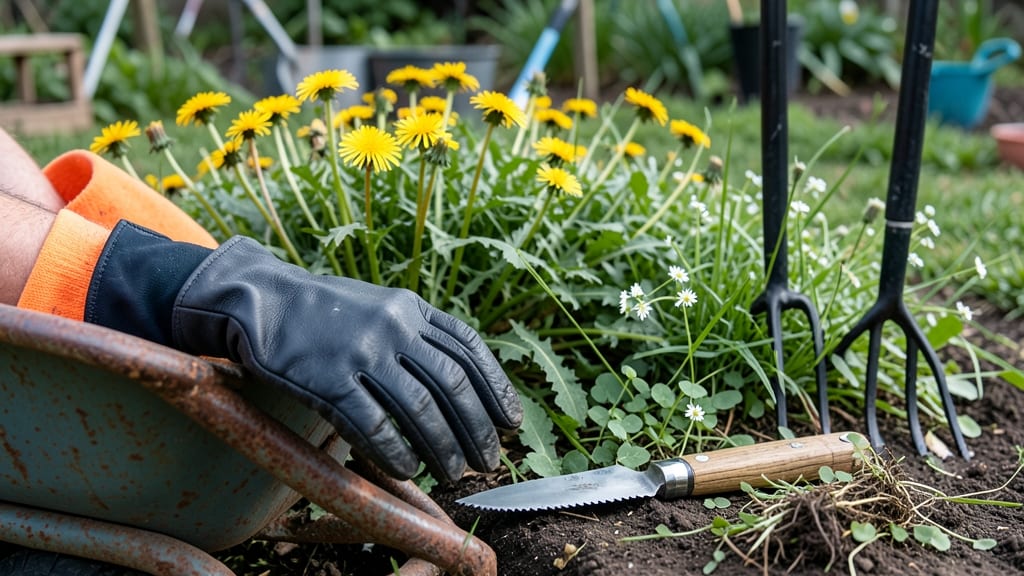
Flawless garden beds start with pulling out weeds—not brute force. ✨ I’ve spent years wrestling with stubborn weeds, and the difference between a clean bed and a battle zone comes down to the right tools and technique.
Hand-pulling works, but it’s slow and often leaves roots behind. The right weeder transforms this chore into a quick, satisfying process that keeps your plants thriving.
You’ll need a stainless steel weeder (like a dandelion digger) for deep roots, a hand fork for stubborn patches, and a small hand trowel for precision work. Gloves protect your hands, and a bucket keeps weeds contained.
The key? Work when soil is moist—not soggy—so weeds slide out cleanly. Timing matters: tackle weeds on a cool morning when they’re most pliable, and you’ll avoid the afternoon sweat session.
What you’ll achieve is beds so tidy, neighbors will ask for your secret. No more hidden weed roots sprouting back in two weeks. No more disturbing your prized plants while yanking weeds. Just clean lines, happy plants, and that deep satisfaction of a job done right.
The best part? This method works for vegetable gardens, flower beds, and even cracks in the patio—no matter how stubborn the weeds.
Here’s the plot twist: the right technique means less work later. Spend 30 minutes now with the right tools, and you’ll save hours of backbreaking labor down the road.
Whether you’re prepping for planting season or just keeping your existing garden pristine, this is how you win the weed war—without the war.
📚 In This Guide
- What you need
- Instructions
- Tips and common mistakes
- Wrapping up and next steps
What you need
- ● Hand Weeders: 2-3 stainless steel or ergonomic models (e.g., Fiskars or Radiah) for deep extraction.
- ● Garden Gloves: 1 pair durable, breathable gloves (e.g., Cruelty-Free or Gloves USA) to protect hands.
- ● Pruners: 1 bypass pruner (e.g., Felco) for cutting stubborn roots.
- ● Kneeling Pad: 1 thick, cushioned pad (e.g., Gorilla Grip) for comfort during long sessions.
- ○ Watering Can or Hose: For post-weeding hydration (optional but helpful).
- ● Boiling Water: A kettle or pot for eco-friendly weed eradication (great for driveways!).
- ● Vinegar Solution: 1 gallon white vinegar + 1 cup salt + 1 tbsp dish soap (for chemical-free spots).
- ● Weed Torch: For large, overgrown areas (use cautiously!).
- ● Compost Bin: To repurpose pulled weeds as nutrient-rich soil.
Precision techniques for weed-free garden beds
Here's how to transform overgrown beds into crisp, weed-free canvases using the right tools and methodical approach.
🪴 Step 1: Choose the Right Tools for the Job
Start with a hand weeder for small weeds with shallow roots—the pronged design slips between soil and rootball for clean removal. For larger weeds or compacted soil, a d-handle weeding knife gives you leverage to slice through tough roots without straining your back. I keep a pair of gardening gloves handy to protect my hands from thorns and blisters.
Don't underestimate the power of a stiff-bristled brush for loosening soil around stubborn weeds. Run it along the base of plants to expose hidden weed stems without damaging your desired foliage. The key is matching tool to weed size—small prongs for dandelion taproots, broad blades for bindweed.
✂️ Step 2: Loosen Soil and Identify Weed Types
Work the soil gently with a hand fork or your fingers to break up the surface layer. You're not tilling—just creating enough space to get your fingers or tools beneath the weed roots. Look for the cotyledons (the first true leaves) to distinguish weeds from your planted species.
Here's the thing—some weeds like creeping Charlie send out underground runners, while others like purslane have shallow mats. Pulling too hard on shallow weeds can uproot your desired plants. Instead, grasp the weed at soil level and wiggle it free with a twisting motion. You'll feel resistance when you've got the whole root.
💧 Step 3: Remove Weeds at the Right Time
Timing matters most when soil is moist but not soggy—right after watering or a light rain. The roots slip free more easily, and you won't compact the soil with your hands. I aim for early morning when weeds are turgid with water, making them easier to grasp and remove.
Don't wait until weeds flower—they'll have already seeded hundreds of new plants. You'll know you've missed your window when you see those telltale white dandelion puffs or purple clover blossoms. Once established, these weeds become nearly impossible to eradicate without herbicides.
🌱 Step 4: Prevent Regrowth with Strategic Techniques
After removal, sprinkle corn gluten meal (if using) around your plants to inhibit weed seed germination. The active compounds create a natural barrier that lasts about 4-6 weeks. For persistent areas, lay down cardboard mulch cut to size—it blocks light while decomposing and improving soil over time.
I've found that hand-pulling weekly keeps weeds from gaining a foothold. The effort pays off in lush, uninterrupted growth for your intended plants. Think of it as maintenance rather than a one-time battle—consistency wins every time.
☀️ Step 5: Maintain Clean Beds Between Sessions
Use a hula hoe for quick between-pulling maintenance in larger beds. The shallow cutting action chops weed seedlings at the soil line without disturbing your plants' roots. Work in 1-inch deep passes, keeping the blade just below the surface to avoid damaging shallow-rooted vegetables.
For container gardens, I switch to a small trowel to scrape out weeds growing between plants. The precision lets me work around stems without tearing up your herbs or flowers. The goal is to make weed removal a habit—not a chore—so your garden stays pristine with minimal effort.
Tips & tricks for flawless weed removal
Mastering the art of weed removal requires more than just brute force—it's about precision, timing, and the right techniques. These insights will help you transform your garden beds from overgrown chaos to crisp, weed-free canvases.
Tool Selection Strategy: The hand weeder in Step 1 is your secret weapon for shallow-rooted weeds like chickweed, but for stubborn perennials like bindweed, switch to the d-handle weeding knife. I've found that pairing these tools with a stiff-bristled brush creates a system where you first loosen the soil, then remove the weeds without disturbing your plants' roots. Think of it as surgical precision in your garden—every tool has its moment to shine.
Root Identification Technique: In Step 2, when you're loosening soil, focus on identifying the weed's growth pattern. Creeping Charlie's runners spread horizontally, while purslane forms shallow mats. The key is to grasp weeds at soil level and use a twisting motion—this breaks the root cleanly. I've ruined too many plants by yanking weeds upward, so remember: resistance at the base means you've got the whole root.
Timing Secrets: Step 3's emphasis on early morning removal isn't just about convenience—it's about physics. Weeds are most pliable when turgid with water, making them easier to grasp and pull. I've timed my sessions for 30 minutes after watering when the soil is moist but not saturated. Pro tip: Avoid working when the ground is dry or compacted—your tools will struggle, and you'll risk damaging your plants.
Preventative Maintenance: For the 4-6 week corn gluten meal application in Step 4, I've found that mixing it with a light layer of compost creates a double barrier against weeds. The meal inhibits seed germination while the compost improves soil structure. And for those persistent areas? Cardboard mulch is my go-to—just remove any tape or staples first, as they won't decompose. It's like putting your garden on lockdown between sessions.
Pro Tips for Pulling Out Weeds
- Mastering the art of weed removal requires more than just brute force—it's about precision, timing, and the right techniques.
- Tool Selection Strategy: The hand weeder in Step 1 is your secret weapon for shallow-rooted weeds like chickweed, but for stubborn perennials like bindweed, switch to the d-handle weeding knife.
- Root Identification Technique: In Step 2, when you're loosening soil, focus on identifying the weed's growth pattern.
Frequently asked questions
Got questions about pulling weeds like a pro?
You’re in the right place! Here are the most common queries—plus expert answers—to help you tackle weeds with confidence.
What’s the best time of day to pull weeds?
Early morning or late afternoon is ideal! The soil is softer after dew has evaporated, making weeds easier to extract. Avoid midday heat—it can stress plants and leave stubborn roots behind.
How do I prevent weeds from growing back after pulling?
Combine pulling with a mulch layer (straw, wood chips, or cardboard) to block sunlight. For stubborn patches, try vinegar-based weed killer (mix 1 gallon vinegar + 1 cup dish soap) or hand-weeding weekly. Consistency is key!
Are there tools better than hands for pulling weeds?
A weeding knife or dandelion digger reaches deep roots effortlessly. For large areas, a hula hoe slices weeds at the base. Gloves with grip pads protect your hands—no more blisters!
How often should I pull weeds to keep my garden weed-free?
Weekly checks win the battle! Weeds grow fast—pulling them young (before seeds form) saves time. If your garden is already overrun, dedicate 20–30 minutes daily for 2 weeks to reclaim control.
What if I pull a weed and its roots break off?
Don’t panic! Even small root fragments can regrow, but keep pulling until the soil is clear. For tough weeds like bindweed, vinegar or boiling water can kill remaining roots. Patience pays off!
Still stumped? Drop your question below—we’ve got answers!
Wrapping up and next steps
Pulling weeds doesn’t have to feel like a never-ending battle—with the right tools and techniques, you can transform your garden beds into lush, flawless spaces with ease! 🌱 Whether you’re using a hori-hori knife, weeding fork, or even your fingers, precision is key to keeping your garden thriving without the frustration.
Start small, stay consistent, and soon you’ll enjoy a garden that’s not just beautiful but low-maintenance too.
Ready to take the next step? Grab your tools and schedule a weekly or bi-weekly weeding session—your future self (and your plants!) will thank you. Happy gardening! 🌿