
Orchid Care
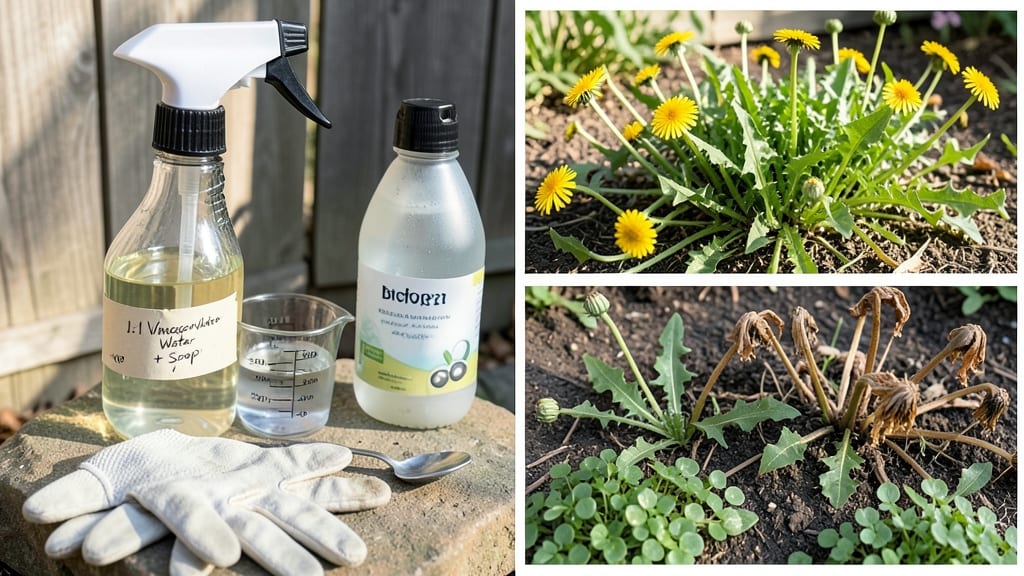
When weeds steal your garden’s spotlight, this vinegar water soap weed killer delivers fast, chemical-free results—no gloves, no mask, just elbow grease and a spray bottle. 🌱 I’ve used it to clear stubborn dandelions from my driveway cracks and patio crevices, and it works in minutes without harming the soil or nearby plants (when used right).
The secret? White vinegar’s acetic acid burns weed foliage on contact, while dish soap helps it stick and penetrate tough leaves.
The mix couldn’t be simpler: 1 gallon warm water, 1 cup white vinegar, and 1 teaspoon dish soap (Dawn works best). Shake well before spraying on a sunny, dry day—direct sunlight intensifies the vinegar’s effect.
For stubborn weeds, reapply every 3-5 days until they crisp up and pull out easily. Just avoid spraying desirable plants: this isn’t selective, so it’ll kill grass and flowers too.
You’ll see results within 24 hours—weeds turn brown and wilt, making them easy to yank by the roots. The solution is 100% non-toxic once it breaks down, safe for pets and kids after drying, and costs pennies per gallon compared to commercial herbicides.
Perfect for sidewalks, driveways, and garden borders where you don’t mind a little vinegar smell for a few hours.
Here’s the catch: it won’t kill weed roots deep underground, so you’ll need to pull what’s left. For tougher jobs, like thick grass or deep-rooted thistles, pair it with a boiling water treatment or corn gluten meal for long-term prevention.
And if your weeds bounce back? You might need to adjust the vinegar concentration—sometimes 2 cups per gallon works better for stubborn invaders.
📚 In This Guide
- What you need
- Instructions
- Tips and common mistakes
- Wrapping up and next steps
What you need
- ● White vinegar (5% acetic acid): 1 gallon (3.8 liters) – The star ingredient that dissolves weeds at the root.
- ● Dish soap (blue or green, unscented): 1-2 tablespoons – Acts as a surfactant to help the solution stick to weeds.
- ○ Water: Optional (if vinegar is concentrated) – Dilute to 1:1 ratio if using vinegar stronger than 5%.
- ● Spray bottle or pump sprayer: 16-32 oz (0.5-1 liter) capacity – For even application (avoid plastic if using high-acid vinegar).
- ● Protective gloves: – Vinegar can irritate skin (opt for rubber or nitrile).
- ○ Eye protection (optional but recommended): – Vinegar spray can sting eyes if splashed.
- ● Measuring cups/spoons: – For precise vinegar and soap ratios.
- ● Stirring stick or spoon: – Mix ingredients thoroughly.
- ● Newspaper or cardboard: – Lay down to protect nearby plants from accidental spray.
- ● Garden hose or water source: – For rinsing tools and diluting spills.
- ○ Label maker (optional): – Mark your sprayer to avoid confusion with other garden solutions.
Step-by-step instructions for making vinegar water soap weed killer
Here's how to whip up a potent, non-toxic weed killer that works in minutes—no harsh chemicals required.
🌱 Step 1: Gather and Mix the Base Solution
Start with 1 gallon of white vinegar (5% acetic acid) in a clean spray bottle or pump container. The higher the acidity, the faster it works—no need for fancy vinegars here. Add 1 tablespoon of dish soap (blue Dawn works best) to help break down the weed's waxy outer layer. Shake gently to combine without creating suds.
Here's the thing—vinegar alone works, but the soap ensures the solution clings to weeds instead of rolling off. I like to use a spray bottle with a fine mist nozzle for even coverage. If you're treating a large area, a 1-gallon pump sprayer makes application easier without wasting product.
💧 Step 2: Apply on a Sunny, Dry Day
Wait until mid-morning or early afternoon when temperatures are above 65°F and there's no rain forecast for 24 hours. Direct sunlight and warmth maximize the vinegar's effectiveness. Focus on young weeds first—they're easier to kill and won't have deep roots absorbing the solution.
Spray until the weeds are glistening wet, but avoid oversaturating the soil. You'll see the solution bead up on the leaves—this means it's working. For stubborn weeds, apply a second coat after 15 minutes to ensure full coverage. Don't worry about nearby plants; vinegar breaks down quickly and won't linger in the soil.
⏰ Step 3: Wait and Watch for Results
Within 1-3 hours, you'll notice the weeds starting to wilt and curl. By 24 hours, they'll turn brown and crispy. The soap disrupts their cell membranes, while the vinegar dries them out. For best results, reapply to any surviving weeds after a week—they might be tougher than they look.
Real talk: This isn't a slow-release herbicide. It works fast, but it's also temporary. New weeds will sprout, so plan to reapply every 2-3 weeks or combine with mulch to prevent regrowth. The key is consistency—don't expect a one-time miracle.
✂️ Step 4: Pull and Dispose of Dead Weeds
Once weeds are completely brown and brittle, pull them up by the roots. Use a hand weeder or fork for stubborn ones—vinegar kills the top growth, but roots can regrow if left behind. For large patches, rake the area to remove any remaining debris and prevent seeds from taking hold.
Don't compost vinegar-treated weeds—they might still contain residual acid. Instead, bag them for trash or use them as mulch in areas where you don’t want new plants to grow. After pulling, water the area lightly to help the soil recover and rinse away any lingering vinegar.
☀️ Step 5: Maintain and Prevent Future Growth
To keep weeds at bay, reapply the solution every 2 weeks during active growing seasons. For long-term control, cover the area with mulch (straw, wood chips, or cardboard) after treating. Mulch blocks sunlight, which weeds need to germinate. I like to top up mulch every few months to maintain the barrier.
This method works best on broadleaf weeds like dandelions and clover. For grassy weeds (like crabgrass), you might need to reapply more frequently or use a vinegar-soap mix with added salt (though salt can harm soil over time). Always spot-test in a small area first—some plants are more sensitive than others.
Tips & tricks for perfect vinegar water soap weed killer
Between us, these small adjustments will make your weed-killing efforts more effective—and save you from common frustrations.
Solution Strength Matters: For tougher weeds like dandelions or clover, consider adding 1 tablespoon of salt to your 1-gallon mix (clearly marked optional in instructions). The salt enhances the vinegar's drying power, though it's not necessary for basic weed control. Always spot-test first—some plants may be more sensitive than others. The key is the 15-minute reapplication window for stubborn weeds, which gives the solution time to penetrate fully.
Timing Secret: That 24-hour rain-free window is non-negotiable for maximum effectiveness. Vinegar works best when it can fully absorb into the plant without being diluted. I've learned this the hard way—applying before rain means wasting your solution and leaving weeds unharmed. Check the forecast religiously, especially if you're treating large areas that take longer to cover.
Equipment Upgrade: If you're treating more than a small garden bed, invest in a 1-gallon pump sprayer instead of a basic spray bottle. These distribute solution evenly without oversaturating the soil, and they're easier to refill for larger projects. The fine mist nozzle mentioned in Step 1 is perfect for precise application—it gives you that glistening wet look without creating puddles that can harm nearby plants.
Maintenance Hack: Combine your 2-week reapplication schedule with your regular garden maintenance routine. I like to treat weeds right after pulling old mulch or before adding fresh—it becomes a natural part of your garden care cycle. For long-term prevention, apply a 2-inch layer of mulch after treating to block sunlight, which weeds need to germinate. This two-step approach (treat + mulch) cuts down on future weed growth significantly.
Pro Tips for Vinegar Water Soap Weed Killer
- Between us, these small adjustments will make your weed-killing efforts more effective—and save you from common frustrations.
- Solution Strength Matters: For tougher weeds like dandelions or clover, consider adding 1 tablespoon of salt to your 1-gallon mix (clearly marked optional in instructions).
- Timing Secret: That 24-hour rain-free window is non-negotiable for maximum effectiveness.
Frequently asked questions
Got questions about using vinegar, water, and soap as a weed killer? You’re not alone! Here are some of the most common queries—plus quick, practical answers to help you tackle weeds like a pro.
How fast does this vinegar weed killer work?
This homemade weed killer starts working within minutes—you’ll see wilting in as little as 10–30 minutes! However, full results (dead weeds) may take 24–48 hours, depending on weed type and weather. Hot, sunny days speed up the process.
Will it kill my plants or grass?
Yes, it can! Vinegar is non-selective, meaning it’ll kill anything green it touches—plants, grass, and weeds. For targeted use, apply carefully with a spray bottle or shield nearby plants with cardboard or mulch. Test a small area first.
Can I use dish soap instead of liquid soap?
Not ideal! Dish soap contains grease-cutting agents that can harm plants or leave residue. Stick to mild liquid castile soap (like Dr. Bronner’s) or harsh liquid dish soap in a pinch, but dilute it 1:10 with vinegar to reduce risk. Always rinse the area after treatment.
How often should I reapply for stubborn weeds?
For tough weeds, reapply every 2–3 days until they’re fully brown and crispy. Rain or watering may dilute the solution, so check after heavy moisture. Pro tip: Focus on young weeds—they’re easier to kill than mature ones!
What’s the best time of day to spray?
Spray on a sunny, dry day (mid-morning or afternoon) to maximize effectiveness. Avoid windy conditions to prevent drift. Morning applications give weeds time to absorb the vinegar before evening dew dilutes it.
Why did my weeds bounce back after treatment?
Weeds may regrow if:
- You missed roots or hidden shoots (pull them out!).
- The solution wasn’t strong enough (try 1:1 vinegar-to-water with 1 tbsp soap).
- Rain washed it away too soon (reapply if needed).
- The weeds are deep-rooted perennials (like dandelions)—dig them up for good!
Wrapping up and next steps
Ready to reclaim your orchid garden without harsh chemicals? 🌿 A homemade vinegar-water-soap weed killer is your eco-friendly ally—fast, budget-friendly, and safe for your plants and pets. With just a few simple ingredients, you can tackle weeds in minutes while keeping your orchids thriving.
Now that you’re armed with the know-how, grab your spray bottle and give it a try! Start small with a few stubborn weeds, and soon, your orchid space will be weed-free and flourishing. Happy gardening! 🌱✨