
Aphids
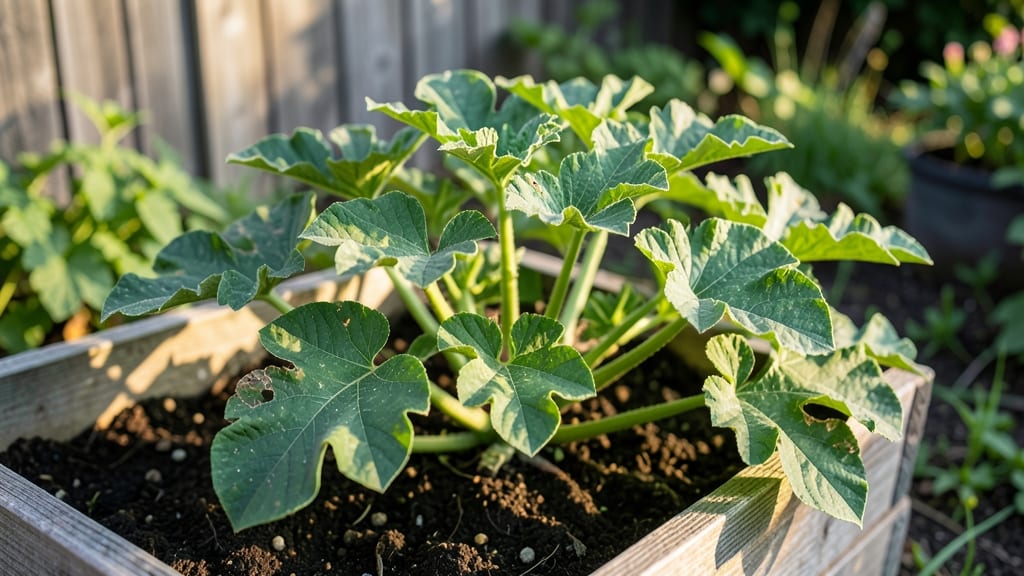
The ideal pH for watermelon growth is between 6.0 and 6.8, where your vines thrive and melons burst with sweetness.
Picture this: you’ve nurtured your 🍉 seedlings through frost-free nights, only to watch them struggle with stunted growth or bitter fruit. That’s often the pH talking—too acidic or alkaline, and your plants can’t access the nutrients they need, no matter how much you water or fertilize.
In Zone 6, where soil can lean toward acidity, even a slight pH dip below 6.0 can starve your watermelon of phosphorus and zinc, leading to weak vines and poor yields.
On the flip side, soil too alkaline above 6.8 locks out iron and manganese, causing yellowing leaves and blossom-end rot.
Below, I’ll show you how to test your soil, adjust pH naturally, and spot the early warning signs before your harvest turns sour. No more guesswork—just sweet, juicy melons every time.
Optimal pH range for watermelon growth and sweetness
Watermelons thrive when their soil pH stays within a precise range—6.0 to 6.8. This isn’t just a number; it’s the sweet spot where nutrient uptake peaks, and your vines can produce those juicy, sugar-packed melons you crave.
Too acidic or alkaline, and you’ll see stunted growth, bitter fruit, or even crop failure. Think of pH as the foundation of your watermelon’s success—get it right, and you’re set for a bountiful harvest.
Soil pH measures how acidic or alkaline your soil is on a scale from 0 (most acidic) to 14 (most alkaline). For watermelons, 6.0–6.8 is the ideal sweet spot because it maximizes the availability of critical nutrients like phosphorus, potassium, and nitrogen.
These nutrients fuel vine growth, flower production, and fruit development. If your soil strays outside this range, your plants may struggle to absorb what they need, leading to poor yields or flavorless fruit.
Here’s why pH matters so much: At pH 6.0–6.8, watermelon roots can efficiently take up magnesium, calcium, and iron, which are essential for strong vines and sweet fruit. Below 6.0, aluminum and manganese become toxic, while above 7.0, phosphorus and iron become locked away.
Even a slight deviation—like pH 5.5 or 7.5—can reduce nutrient uptake by 30–50%, directly impacting your harvest’s size and sweetness.
| pH Level | Nutrient Availability | Plant Impact | Adjustment Needed |
|---|---|---|---|
| Below 5.5 | Toxic aluminum/manganese | Stunted growth, yellow leaves | Add lime (raise pH) |
| 5.5–6.0 | Moderate nutrient uptake | Slow growth, smaller fruit | Add compost/peat moss |
| 6.0–6.8 | Optimal for all nutrients | Best growth & sweetness | Maintain with compost |
| 6.8–7.5 | Reduced phosphorus/iron | Weak vines, poor fruiting | Add sulfur (lower pH) |
| Above 7.5 | Severe nutrient lockout | Yellowing leaves, no fruit | Add elemental sulfur |
Regional soil pH can vary dramatically, so it’s worth testing your garden’s soil before planting. For example, sandy soils in the Southwest often lean alkaline (pH 7.5+), while clay-heavy soils in the Midwest may be slightly acidic (pH 5.5–6.0).
If your test results fall outside the 6.0–6.8 range, don’t panic—simple amendments like lime (to raise pH) or sulfur (to lower pH) can bring your soil back into balance. Even a 1-point pH shift can mean the difference between a bitter, seedy watermelon and a
How to adjust soil pH for watermelon plants: natural methods
Adjusting the pH for watermelon plants doesn’t require harsh chemicals—just a few natural amendments and patience. If your soil test reveals a pH below 6.0, your 🍉 vines may struggle to absorb phosphorus and zinc, leading to weak stems and poor fruit set.
Conversely, soil above 6.8 locks out iron and manganese, causing yellowing leaves and stunted growth. The key is balancing pH gradually, especially in Zone 6, where clay-heavy soils often need extra attention.
For container gardens, quick fixes like compost tea or pine needles can adjust pH faster, while in-ground beds benefit from lime or sulfur applied months before planting. I’ll walk you through the best organic methods, how much to use, and when to apply them for the sweetest harvests.
Raising vs. Lowering pH for Watermelons
Raise pH (for acidic soil < 6.0)
- ✅ Pros: Boosts phosphorus/zinc uptake
- ✅ Pros: Prevents bitter fruit
- ✅ Pros: Works fast in containers
- ❌ Cons: Overuse causes alkalinity
- ❌ Cons: Lime takes 2-3 months to activate
Lower pH (for alkaline soil > 6.8)
- ✅ Pros: Fixes iron/manganese deficiencies
- ✅ Pros: Organic sulfur is slow-release
- ✅ Pros: Pine needles are free
- ❌ Cons: Takes 3-6 months for full effect
- ❌ Cons: Overuse harms soil microbes
To raise your soil’s pH, start with pelletized lime—it’s the fastest organic option. For every 100 square feet of garden bed, mix in 5–10 pounds of lime and till it into the top 6 inches of soil.
In containers, use 1 tablespoon of lime per gallon of potting mix. Re-test pH in 2–3 months—lime can take time to dissolve and adjust the soil chemistry.
If your soil is too alkaline, elemental sulfur is your best bet. Apply 1–2 pounds per 100 square feet and work it into the soil. For a quicker fix, sprinkle pine needles around your watermelon vines—they release tannins that slowly acidify the soil.
In containers, a compost tea brewed with oak leaves can lower pH in as little as 4–6 weeks.
For container gardens, where pH shifts happen faster, I recommend testing every 4–6 weeks and adjusting as needed. Add a 1-inch layer of compost every month to buffer pH swings, and always water with rainwater if possible—tap water can alter soil chemistry over time.
The goal is consistency, not drastic changes.
Remember, watermelons are sensitive to sudden pH shifts, so monitor your plants closely. If leaves turn yellow between the veins, it’s a sign of iron deficiency (too alkaline).
If growth stalls despite plenty of water, your soil may be too acidic. With these natural methods, you’ll keep your 🍉 vines thriving and your harvests sweet.