
Pests and Diseases
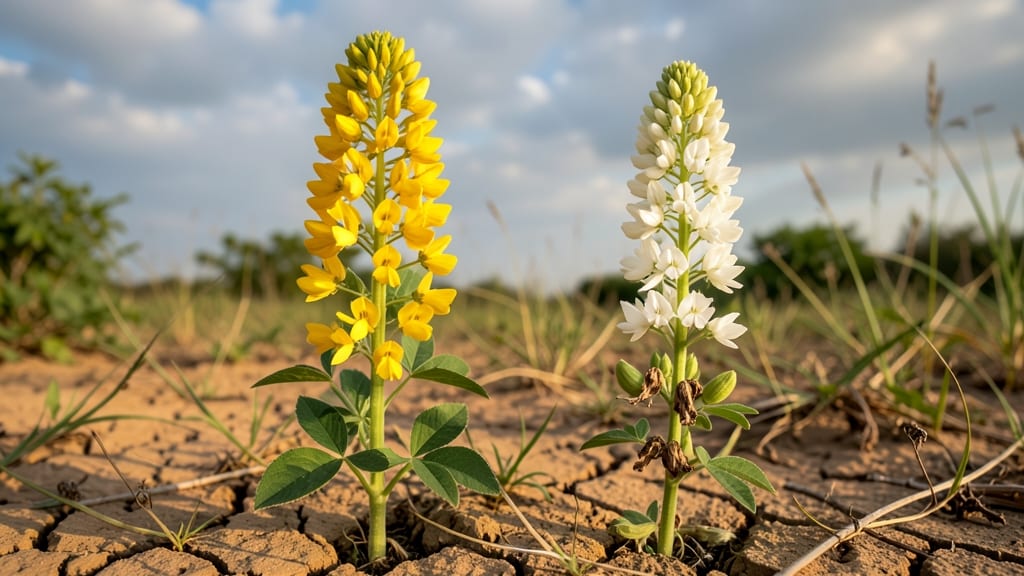
Sweet clover weed might look pretty with its yellow blooms, but it’s a garden thief that smothers your plants and spreads like wildfire. ✨ I’ve pulled clumps from my yard that came back thicker after just one rain—until I learned how to starve those deep roots for good.
The secret isn’t brute force; it’s cutting off its lifeline before it chokes your garden. This weed thrives on neglect, so the battle starts with timing. Pull it when the soil’s damp (not soggy) and the roots are still tender—before they develop those stubborn taproots.
A simple hand fork or digging tool works better than yanking, which leaves pieces behind to regrow. For stubborn patches, a vinegar-based spray (3 parts vinegar, 1 part dish soap) kills the foliage fast, but you’ll need to repeat until the roots rot.
What you’ll end up with is a yard where your actual plants can breathe again. No more fighting for sunlight or watching your veggies get crowded out by this aggressive invader.
The key is persistence—check for new sprouts every few weeks, and soon, sweet clover will be a memory instead of a headache. Works in lawns, garden beds, and even cracks in pavement. Here’s how to make it disappear for good—without harsh chemicals that harm your soil.
📚 In This Guide
- What you need
- Instructions
- Tips and common mistakes
- Wrapping up and next steps
What you need
- ● Sweet clover herbicide (or homemade solution): Commercial clover-killing herbicide (e.g., 2,4-D-based or glyphosate-free options like vinegar + soap—see Tips for DIY recipes).
- ● Quantity: ~1–2 gallons per 1,000 sq. ft. (adjust based on weed density).
- ● Spray equipment: Handheld sprayer (1–2 gallon capacity) OR backpack sprayer (for larger areas).
- ● Nozzle: Flat-fan (e.g., 8002 or 8004) for even coverage.
- ● Protective gear: Gloves (nitrile or rubber).
- ● Long sleeves/pants (to avoid skin contact).
- ● Safety goggles (if using concentrated chemicals).
- ● Measuring tools: Measuring cup/spoon (for DIY mixes).
- ○ pH strips (optional, to test soil acidity if using vinegar).
- ● Post-treatment care: Mulch (straw or wood chips) to suppress regrowth.
- ● Soil tester (to check nutrient levels after herbicide use).
- ● DIY boosters: Dish soap (1 tbsp per gallon of vinegar mix for adhesion).
- ● Citric acid (to enhance vinegar’s effectiveness).
- ● Cleanup: Rake or hoe (for removing dead weeds post-treatment).
- ● Trash bags (for disposal of clippings).
How to use sweet clover as a natural herbicide
Here's how to harness this powerful plant to eliminate weeds—including their stubborn roots—in just hours.
🌱 Step 1: Harvest Sweet Clover at Peak Effectiveness
Pick fresh sweet clover leaves when they're fully developed but before flowering. The herbicide compounds are most potent at this stage. I always harvest on a dry morning after dew has evaporated—wet leaves bruise easily, and damaged foliage loses effectiveness.
Pull the entire plant or just the leaves, depending on your needs. For targeted weed control, focus on the leaves. If you're treating a large area, you'll need about 1 cup of fresh leaves per square yard. Store harvested leaves in a paper bag in the fridge for up to 3 days, or dry them for longer storage.
💧 Step 2: Prepare the Sweet Clover Solution
Blend 1 cup of fresh sweet clover leaves with 1 gallon of water until completely liquefied. I use a high-speed blender for this—it breaks down the leaves thoroughly, releasing the natural herbicidal compounds. Strain the mixture through a fine mesh sieve to remove any fibrous residue.
For best results, use the solution immediately. If you need to store it, keep it in an airtight container in the refrigerator for up to 24 hours. The potency decreases over time, so fresh is always better. This solution contains natural allelochemicals that disrupt weed growth at the cellular level.
☀️ Step 3: Apply to Weeds on a Sunny Day
Choose a bright, sunny day for application—UV light helps activate the herbicidal compounds in sweet clover. Spray the solution directly onto the weeds, making sure to cover the leaves completely. Focus on the foliage, but don't worry about missing a spot—this herbicide works by being absorbed through the leaves and translocating to the roots.
Apply in the early morning or late afternoon to avoid burning the plants. You'll see results within 24 to 48 hours, but for complete root elimination, reapply every 3 to 4 days for a week. The solution breaks down quickly, so frequent applications are key to preventing regrowth.
✂️ Step 4: Monitor and Maintain the Treated Area
After applying the sweet clover solution, monitor the treated area closely. Weeds will start wilting within a day or two, and their roots will begin to die back. You'll notice the soil around the weeds becoming less dense as the roots decompose—this is a good sign that the treatment is working.
To prevent new weeds from sprouting, maintain the area by regularly applying a thin layer of mulch or by hand-pulling any new growth. Sweet clover's natural herbicidal properties linger in the soil for a short time, but it's not a permanent solution. For long-term weed control, combine this method with regular maintenance and other natural weed prevention techniques.
Tips & tricks for perfect sweet clover herbicide application
Real talk: Sweet clover works best when you know these key details—otherwise, you might waste your effort. Here's what nobody tells you about making this natural herbicide work like a charm.
Harvesting Timing: The 24-hour window for storing fresh sweet clover leaves is critical. I've learned this the hard way—after 3 days, the herbicidal compounds start breaking down, and you'll notice the solution loses effectiveness. Harvest on dry mornings only; dew makes leaves slippery and prone to bruising, which releases bitter compounds that reduce potency. For larger areas, consider harvesting early in the week so you can apply fresh solution every 3-4 days without running out.
Solution Consistency: When blending the 1 cup of fresh leaves with 1 gallon of water, aim for a completely smooth mixture—no visible fibers. I use a high-speed blender and pulse until it looks like liquid green soup. If you're using a regular blender, you might need to strain it twice to remove all residue. This thorough blending ensures maximum herbicidal compound release, which is why you see results within 24 to 48 hours.
Application Strategy: Don't fall into the trap of treating weeds once and expecting permanent results. The solution breaks down quickly, so reapplying every 3 to 4 days for a week is non-negotiable for complete root elimination. I've seen people skip the reapplication step and wonder why weeds keep coming back—it's all about consistency. For stubborn weeds like dandelions, you might need an extra day or two between applications during the week-long treatment.
Weather Watch: Sunny days aren't just about UV activation—they're also about evaporation control. If you apply the solution on a humid day, the weeds might absorb less of the herbicide. I always check the weather forecast and schedule applications for bright, sunny days with minimal wind. Early mornings or late afternoons are ideal because they prevent the solution from evaporating too quickly, giving it time to work its magic on the weeds.
Pro Tips for Sweet Clover Weed
- Real talk: Sweet clover works best when you know these key details—otherwise, you might waste your effort.
- Harvesting Timing: The 24-hour window for storing fresh sweet clover leaves is critical.
- Solution Consistency: When blending the 1 cup of fresh leaves with 1 gallon of water, aim for a completely smooth mixture—no visible fibers.
Frequently asked questions
Got questions about sweet clover weed and its herbicidal powers? You’re not alone!
Here are some of the most common concerns—and answers—to help you tackle this stubborn weed like a pro.
What makes sweet clover weed such an effective natural herbicide?
Sweet clover weed contains coumarin, a natural compound that disrupts plant growth when broken down into dicoumarol. When crushed or decaying, it releases these chemicals into the soil, smothering weeds—including their roots—within hours. It’s like nature’s own weed-killing bomb!
How long does it take for sweet clover weed to kill weeds?
Results vary, but you’ll often see visible effects within 24–48 hours for shallow-rooted weeds. For deep-rooted invaders (like dandelions), it may take 3–7 days. Patience is key—consistent coverage speeds up the process. Think of it as a slow-motion victory lap for your garden!
Can I reuse sweet clover weed as an herbicide, or do I need fresh plants?
Fresh or recently crushed sweet clover works best, but dried or decaying clover still retains some herbicidal properties. For maximum potency, replenish every 2–4 weeks or till it into the soil to break down faster. Pro tip: Mix it with water for a DIY "weed tea" spray!
Will sweet clover weed harm my vegetables or flowers?
Sweet clover is selectively toxic—it targets broadleaf weeds but is generally safe for most vegetables (like tomatoes, peppers, and beans) and flowers (such as marigolds or basil). However, avoid direct contact with sensitive plants (e.g., carrots, onions) or young seedlings. Always spot-test first!
What should I do if sweet clover weed isn’t working?
If you’re not seeing results, check these fixes:
- Thicker coverage: Apply a denser layer (or mulch) to block sunlight.
- Moisture matters: Water the area lightly to activate the herbicidal compounds.
- Combine methods: Pair with vinegar (5% acetic acid) or boiling water for tough weeds.
- Timing: Reapply every 1–2 weeks during peak weed growth (spring/fall).
Are there alternatives to sweet clover weed for natural herbicides?
Try these DIY-friendly options:
- Corn gluten meal: Prevents weed seeds from sprouting (best pre-emergent).
- Salt + vinegar: Spot-treat weeds (avoid edible plants!).
- Black plastic mulch: Solarizes soil and suffocates weeds.
- Dandelion + clover tea: Brew a weed-killing concoction.
Wrapping up and next steps
Sweet clover weed may seem like a stubborn foe, but with the right approach, you can tame it naturally and effectively—without harsh chemicals. Whether you're tackling a small patch or a full garden, this herbicide-free method saves time, money, and the environment. 🌱
Ready to reclaim your space? Start small—test a section of your yard first, then expand your efforts. Keep monitoring, and soon, you’ll enjoy a weed-free paradise! Try it today!