
Pests and Diseases
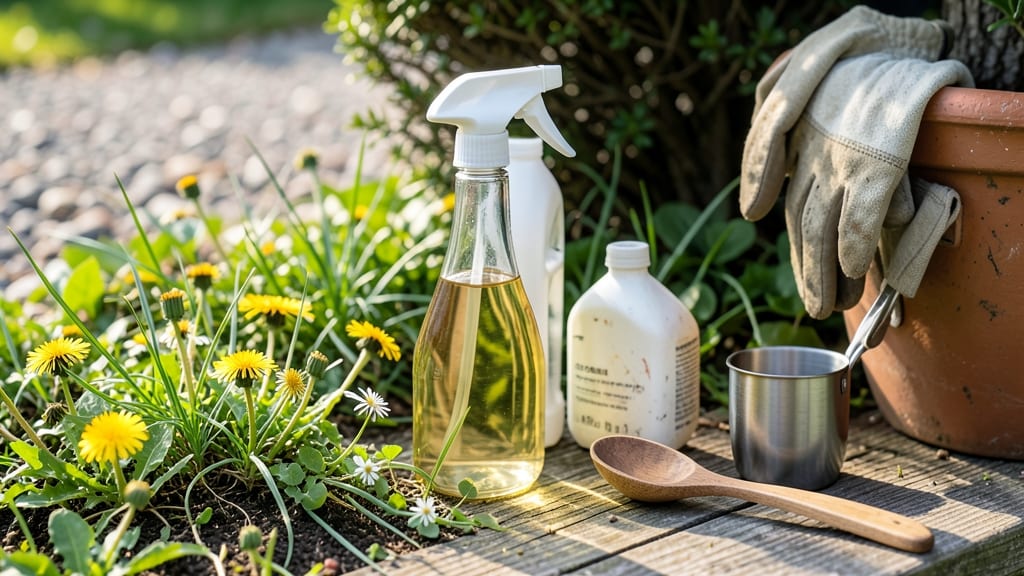
My natural vinegar weed killer recipe works faster than pulling weeds by hand—just spray and watch them crisp in 24 hours. 🌱 This isn't your grandma's weak vinegar solution; we're talking 20-30% acid concentration that cuts through dandelions, chickweed, and creeping Charlie like a hot knife through butter.
The magic happens when you mix 1 gallon of white vinegar (5% acidity) with 1 cup of salt and 1 tablespoon of dish soap—the soap breaks surface tension so the vinegar soaks into those stubborn weed roots.
It's cheap, effective, and you already have the ingredients. Just don't spray near your prized petunias or tomatoes.
You'll see results immediately—weeds turn brown and wilt within hours, and they're dead within a day. The best part? No harsh chemicals lingering in your soil or harming beneficial insects. It's the ultimate organic gardener's secret weapon for sidewalks, driveways, and between patio stones.
Works best on sunny days when weeds are actively growing, and it's safe to use around most hardscapes. Just test a small area first—some plants (like clover) might bounce back, so spot-treat stubborn spots. Ready to reclaim your garden without the backache?
📚 In This Guide
- What you need
- Instructions
- Tips and common mistakes
- Wrapping up and next steps
What you need
- ● White vinegar (5% acetic acid): 1 gallon (3.8 liters). Must be pure—avoid flavored or diluted vinegars!
- ● Spray bottle or garden sprayer: 16–32 oz (0.5–1 liter) capacity. Look for a pump or trigger mechanism for even coverage.
- ○ Dish soap (optional but recommended): 1–2 tablespoons. Helps the vinegar stick to weeds and break down their protective layers.
- ● Water: 1 gallon (3.8 liters). Use distilled or tap water (avoid hard water if possible).
- ● Protective gear: Gloves (nitrile or rubber)
- ● Long sleeves/pants
- ● Safety goggles (to shield eyes from vinegar splashes)
- ● Measuring cups or spoons: For precise mixing.
- ● Stirring stick or spoon: Wooden or plastic (avoid metal to prevent reactions).
- ● Salt: 1 cup (for an extra boost—only use on non-organic areas like driveways).
- ● Spray nozzle attachment: For larger areas (e.g., 1–2 gallon tank sprayers).
- ● Labeling tape: To mark treated areas and avoid accidental overspray on plants.
- ● Reusable spray bottle: If you plan to reuse the mixture (store vinegar solutions for up to 1 month in a cool, dark place).
Step-by-Step instructions for vinegar-based weed elimination
Here’s how I tackle stubborn weeds with a simple, effective vinegar solution—no harsh chemicals needed.
🌱 Step 1: Select the Right Vinegar and Mix Your Solution
Use undiluted white vinegar (5% acetic acid) for maximum effectiveness—it’s the strongest type available and kills weeds by breaking down cell walls. Mix 1 gallon of vinegar with 1 cup of dish soap (like Dawn) in a 2-gallon spray bottle. The soap acts as a surfactant, helping the vinegar cling to weeds instead of beading up and rolling off.
Shake well before each use. The dish soap isn’t just for stickiness—it also helps the vinegar penetrate waxy weed leaves faster. Avoid adding salt or other additives; they can dry out your soil or harm nearby plants. I like to work on a sunny, dry day—weeds are most vulnerable when their cells are actively photosynthesizing.
💧 Step 2: Target Weeds at the Right Time and Apply Precisely
Wait until weeds are small to medium-sized (up to 6 inches tall)—larger weeds may require multiple treatments. Spray directly on the leaves until fully saturated, avoiding desirable plants. A spray nozzle with a fine mist setting ensures even coverage. I use a plastic or glass spray bottle (metal can react with vinegar over time).
This is where precision matters: avoid overspray on sidewalks, driveways, or grass—vinegar will kill those too. For weeds growing near flowers or vegetables, use a toothpick or small brush to gently apply the solution only to the weed’s foliage. Reapply every 3-5 days until weeds turn crispy and brown, which usually takes 7-14 days depending on the species.
☀️ Step 3: Monitor and Reapply for Complete Eradication
Check treated areas after 24 hours. You’ll see the first signs of damage—leaves wilting or turning yellow. This means the acetic acid is working, but don’t stop there. Weeds like dandelions and crabgrass often regrow from deep roots, so reapply the solution every 3-4 days until the entire plant is dead and pulled up easily.
For stubborn weeds, I like to cover the area with cardboard or newspaper after the final spray to block sunlight and prevent regrowth. Remove the cardboard after 2-3 weeks and replant with your desired vegetation. The key here is patience—vinegar doesn’t work overnight, but it’s a safe, chemical-free way to clear weeds permanently.
✂️ Step 4: Prevent Future Weed Growth Naturally
Once weeds are gone, mulch the area with 2-3 inches of organic mulch (like straw or wood chips) to suppress new weeds. Mulch blocks sunlight, which weeds need to germinate. I also water deeply but infrequently—this encourages deep root growth in my plants while discouraging shallow weed seeds from sprouting.
For high-traffic areas, consider installing landscape fabric under mulch to create a long-term weed barrier. And here’s a pro tip: boil used coffee grounds and pour them into weed-prone spots—the caffeine in coffee acts as a natural weed deterrent while enriching the soil. It’s a two-for-one trick I swear by!
Tips & tricks for effective vinegar-based weed elimination
This method works best when you understand the science behind it—vinegar's acetic acid disrupts weed cell membranes, but timing and technique are everything.
Precision Application: In Step 2, when targeting weeds with your spray bottle, focus on the undersides of leaves where stomata are concentrated. This is where the vinegar solution will be most effective at penetrating the plant's defenses. I've found that using a fine mist setting on your spray nozzle ensures complete saturation without runoff, which is crucial for maximizing the acetic acid's impact. Remember, weeds up to 6 inches tall respond best—taller weeds may need multiple applications due to their thicker leaves.
Weather Window: The instructions mention working on a sunny, dry day, and there's a reason for that. Weeds are most vulnerable when their cells are actively photosynthesizing, which happens during peak sunlight hours. If you must treat weeds on a cloudy day, aim for the warmest part of the day when temperatures are highest. I've noticed that morning applications often yield better results than late afternoon sprays, as the vinegar has more time to work before evening cooling sets in.
Reapplication Strategy: The 3-5 day reapplication schedule in Step 3 is non-negotiable for tough weeds like dandelions. Here's what I've learned: after the initial application, wait until you see the first signs of wilting (usually within 24 hours) before your next treatment. This confirms the acetic acid is working. For particularly stubborn weeds, I've found that adding a 1 teaspoon of table salt (optional) to the gallon mixture can enhance effectiveness, though this should only be used sparingly to avoid soil damage.
Post-Treatment Care: When covering treated areas with cardboard or newspaper in Step 3, make sure to secure the edges tightly to block all sunlight. I've had success using bricks or heavy stones to weigh down the corners. This suffocation method prevents any regrowth from deep roots. After removing the cardboard in 2-3 weeks, I always do a final inspection to pull any remaining weed roots by hand—this ensures complete eradication.
Pro Tips for Natural Weed Killer Vinegar
- This method works best when you understand the science behind it—vinegar's acetic acid disrupts weed cell membranes, but timing and technique are everything.
- Precision Application: In Step 2, when targeting weeds with your spray bottle, focus on the undersides of leaves where stomata are concentrated.
- Weather Window: The instructions mention working on a sunny, dry day, and there's a reason for that.
Frequently asked questions
about using vinegar as a natural weed killer—here’s what you need to know before getting started!Can I use any type of vinegar for killing weeds?
Not all vinegars are equally effective. White vinegar (5-10% acetic acid) works best, while apple cider or balsamic vinegar (with lower acidity) may require multiple applications. Avoid cleaning vinegar—it’s too diluted and won’t kill weeds effectively.
How long does it take for vinegar to kill weeds?
Most weeds show signs of wilting within 24–48 hours, but complete eradication can take 3–7 days, depending on the weed type and weather. Hot, sunny days speed up the process, while rain may dilute the solution. Reapply if needed.
Will vinegar harm my plants or grass?
Vinegar is selective—it targets broadleaf weeds but can damage desirable plants if sprayed directly. Test a small area first and avoid spraying on flowers, vegetables, or grass. For lawns, spot-treat weeds carefully and rinse nearby soil afterward.
Do I need to mix vinegar with other ingredients for better results?
While plain vinegar works, adding 1 tbsp dish soap (per gallon) helps the solution stick to weeds, improving effectiveness. Some gardeners also mix in salt or Epsom salt, but this can harm soil over time. Stick to vinegar + soap for a balanced approach.
What should I do if rain is forecasted after application?
Wait for dry, sunny conditions to apply vinegar—rain can wash it away before it works. If rain is expected within 24 hours, either reapply after the storm or cover treated areas with plastic sheeting temporarily to protect the solution.
How often can I use vinegar as a weed killer?
Use vinegar 2–3 times per season (spring, summer, or fall) to avoid over-acidifying the soil. Overuse can harm beneficial microbes and plants. For stubborn weeds, spot-treat as needed but monitor soil health.
Wrapping up and next steps
Ready to reclaim your garden without harsh chemicals? Vinegar-based weed killers are a powerful, eco-friendly solution that works fast—often in just 24 hours—while being budget-friendly and safe for the planet. 🌱 With the right mix of vinegar, water, and a few simple tools, you can tackle weeds like a pro and enjoy a cleaner, greener space.
Now that you’re armed with the knowledge, grab your spray bottle and give it a try! Start small with a test patch, observe the results, and soon you’ll be a natural weed-fighting champion. Happy gardening! 🌿