
Orchid Care
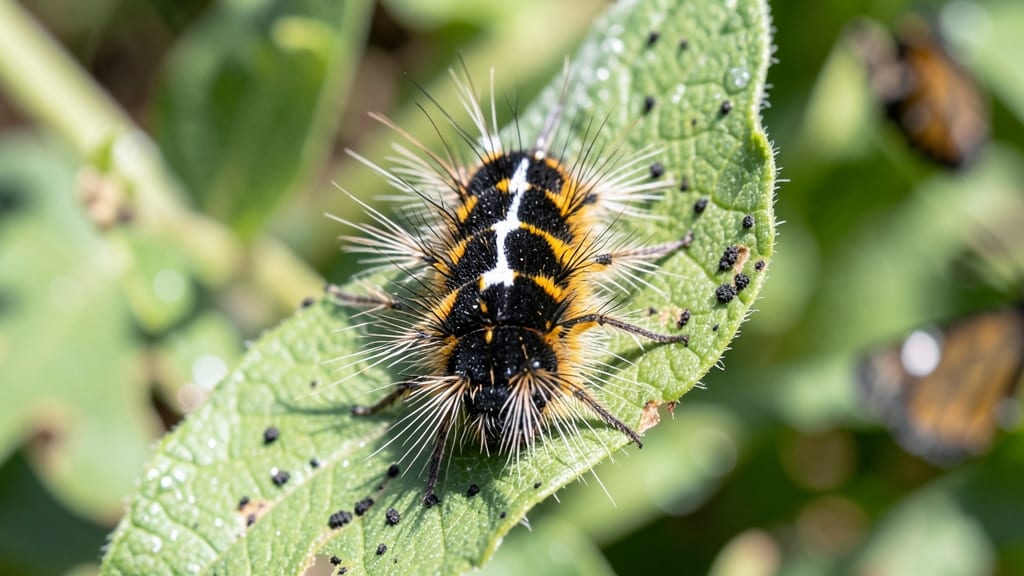
The milkweed tussock moth is a friend or foe to orchids because its larvae strip leaves and stunt growth, while milkweed plants actually benefit from its pollination and seed dispersal. Orchid growers must act quickly to remove caterpillar clusters and protect their plants.
The milkweed tussock moth is a friend or foe to orchids. 🌿 While milkweed thrives with tussock moths as pollinators, orchids have no natural defenses against the voracious larvae that skeletonize foliage.
The key difference lies in their feeding habits—milkweed benefits from the moth's adult stage, but orchids suffer direct damage when caterpillars hatch and begin devouring leaves. I've seen entire orchid leaves reduced to lace in just days, which is why early detection and removal are critical for protecting your plants.
What makes this even more challenging is that tussock moth caterpillars often cluster together, making them easier to spot in groups but harder to control once established. The good news?
Their bright orange and black coloring serves as a natural warning sign for gardeners to take action before the damage becomes severe. Understanding this moth's lifecycle helps orchid growers implement targeted control measures at the right time.
💡 In This Article
- How Milkweed Tussock Moths Harm Orchids vs Benefit Milkweed Plants
- Natural and Chemical Controls for Milkweed Tussock Moth Infestations
How milkweed tussock moths harm orchids vs benefit milkweed plants
The milkweed tussock moth's lifecycle reveals its dual role in nature. While adult moths play a beneficial part by pollinating milkweed plants, their caterpillars become destructive pests for orchids. These larvae feed voraciously on foliage, often skeletonizing leaves within 48-72 hours of hatching.
The damage occurs when caterpillars cluster together, creating unsightly webs while consuming plant tissue. Orchids, unlike milkweed, lack natural chemical defenses against this invasion, making them particularly vulnerable to defoliation.
The key difference lies in the moth's feeding preferences.
Tussock moth caterpillars have a strong preference for milkweed species during their larval stage, but they'll readily consume orchid leaves when available. 🌱 This opportunistic behavior means orchid growers must remain vigilant during peak caterpillar activity (typically late spring to early summer).
The larvae's bright orange and black coloring serves as a warning sign, but by the time you notice them, significant damage may already be occurring to your orchid's delicate foliage.
Ecologically, this creates an interesting trade-off. Milkweed plants actually benefit from the moth's presence during their adult stage, as they contribute to pollination and seed dispersal. However, orchids have no such relationship with the moth and suffer directly from the caterpillars' feeding habits.
The lack of natural defenses in orchids makes them particularly susceptible to this pest, unlike milkweed which has evolved chemical compounds to deter some herbivores. This ecological imbalance is why orchid growers must take proactive measures to protect their plants.
The damage mechanism works through both direct consumption and indirect stress. When caterpillars feed on orchid leaves, they remove chlorophyll-rich tissue, reducing the plant's ability to photosynthesize. Additionally, the physical damage creates entry points for pathogens, further stressing the plant.
I've observed that heavily infested orchids show stunted growth and reduced flowering capacity in subsequent seasons, demonstrating how quickly this pest can impact plant health. 🌿 The key is early intervention before the caterpillars establish large colonies.
What makes this situation particularly challenging is the moth's reproductive cycle. A single female can lay up to 1,000 eggs in clusters, which hatch within 7-10 days under optimal conditions. This rapid reproduction means infestations can escalate quickly, overwhelming even well-maintained orchid collections.
The larvae go through five instar stages before pupating, with each stage becoming increasingly voracious. This means the window for intervention is narrow—once the caterpillars reach their third instar, they become much harder to control.
Understanding this lifecycle helps orchid growers implement targeted control measures. The most effective approach combines physical removal of caterpillars with biological controls like Bacillus thuringiensis (Bt), which targets caterpillars without harming beneficial insects.
Regular monitoring of orchid foliage, especially the undersides of leaves where caterpillars often hide, is crucial for early detection. The bright orange and black coloring of the caterpillars makes them relatively easy to spot once you know what to look for, but their rapid growth means prompt action is essential.
This ecological duality highlights an important lesson for orchid growers: while some insects may benefit other plants in your garden, they can become serious threats to your orchids. The milkweed tussock moth serves as a perfect example of how ecological relationships can create complex management challenges in home gardens.
By understanding these dynamics, you can implement more effective pest control strategies that protect your orchids while maintaining ecological balance in your growing environment. 🌿