
Pests
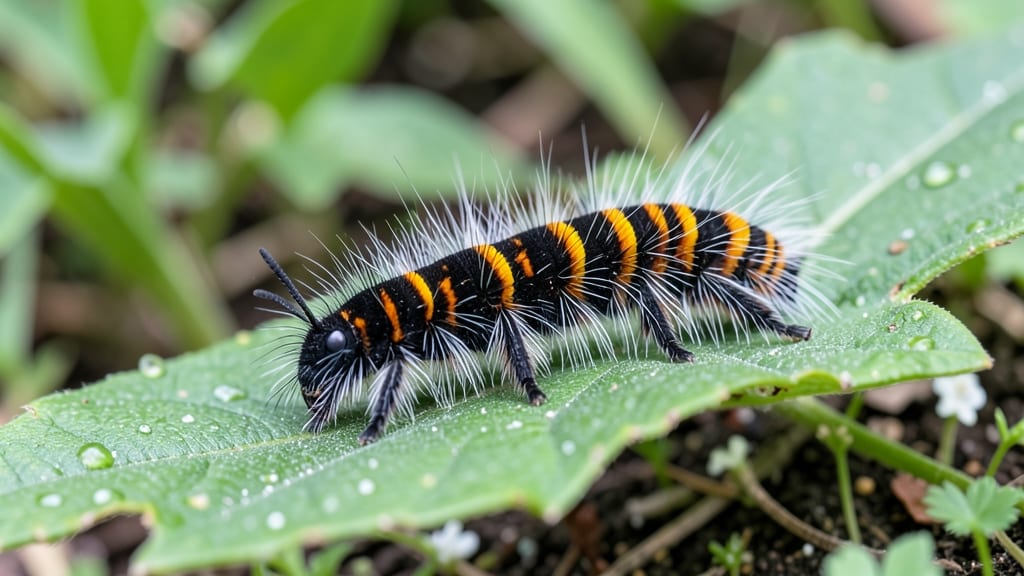
Is the milkweed tussock moth caterpillar good or bad? They’re more of a nuisance than a true threat—unless you’re growing milkweed for monarchs. 🌿 These caterpillars munch on leaves but rarely kill healthy plants, and their bright orange-and-black stripes warn predators to stay away.
The real issue? Their shaggy appearance can scare off gardeners who mistake them for pests like tent caterpillars.
Here’s the thing—they don’t spin webs or skeletonize leaves like some caterpillars, so damage is usually mild. You’ll spot them clustered on stems or leaves, and while they’re unsightly, they won’t wipe out your garden.
The key is balancing control with monarch support, since milkweed is their only food source. A quick handpick or blast of water often does the trick, and birds like chickadees love snacking on them.
For eco-friendly control, focus on manual removal (wear gloves—their hairs can irritate skin) and encourage natural predators like parasitic wasps. Avoid pesticides, especially near monarch habitats, as they can harm beneficial insects too. A few caterpillars won’t ruin your milkweed patch, and they’re a small price for supporting monarchs.
If you’re growing milkweed for monarchs, accept that some caterpillars are part of the deal—they’ll turn into striking, striped moths that add beauty to your garden. Just keep an eye out, and you’ll find a balance that works for both your plants and pollinators.
📚 In This Guide
- What you need
- Instructions
- Tips and common mistakes
- Wrapping up and next steps
What you need
- ● Gloves (heavy-duty, long sleeves) – Protects hands from urticating hairs (1–2 pairs). Look for nitrile-coated gloves for extra safety.
- ● Pruning shears or sharp scissors – For trimming infested milkweed stems (1 pair). Opt for bypass pruners for cleaner cuts.
- ● Plastic or metal container (1–2 gallon size) – For relocating caterpillars or collecting eggs. Ensure it’s airtight with ventilation holes (poke small holes with a nail).
- ● Garden spray bottle (8–16 oz) – For applying soapy water (1 tsp dish soap + 1 quart water) or horticultural oil sprays.
- ● Flashlight (LED, bright) – Helps spot caterpillars at dusk or night (1–2). A headlamp is ideal for hands-free use.
- ● Trowel or small shovel – For digging up caterpillars hiding in soil (1). A hand trowel works best.
- ● Disposable dust mask (N95 or higher) – Reduces risk of inhaling urticating hairs (1–2). Critical if burning infested plants!
- ● Rubbing alcohol (70% or higher) + cotton swabs – For cleaning tools and neutralizing hairs (1 small bottle).
- ● Garden twine or zip ties – To secure infested plants for removal (1 roll).
- ○ Notebook + pen – Track infestation patterns (1). Optional but helpful for long-term monitoring.
- ● Beneficial nematodes (e.g., Steinernema carpocapsae) – Natural predators for soil-dwelling caterpillar stages (1–2 lbs). Best used in cool, moist conditions.
- ● Pyrethrin-based spray (organic insecticide) – For severe infestations (1–2 sprays). Avoid if bees are present.
- ● Fine-mesh bag (100+ count) – For collecting caterpillars without direct handling (e.g., butterfly net with bag attachment).
- ● Garden hose with nozzle – For blasting caterpillars off plants (1). Use a strong stream to dislodge them.
- ● Camera or smartphone – Document infestations for identification or sharing with local experts (1).
- ● Compost bin (with lid) – For disposing of infested plant debris safely (1). Do not compost if caterpillars are still active.
How to identify and manage milkweed tussock moth caterpillars
These fuzzy caterpillars spark debate—some see them as pests, others as nature's cleanup crew.
🌿 Step 1: Recognize the Caterpillar and Its Impact
The milkweed tussock moth caterpillar (Euproctis similis) sports striking black and white banding with long, shaggy orange hairs along its back. While they don’t eat milkweed (despite the name), they devour leaves of roses, azaleas, and other ornamentals with alarming speed. Look for skeletonized foliage or fine webbing between branches—classic signs of their feeding.
Here's the thing—these caterpillars aren't aggressive chewers like Japanese beetles. They prefer tender new growth, often targeting the same plants you've nurtured for months. The real damage comes from their sheer numbers. A single female lays up to 200 eggs, and those caterpillars can defoliate a small shrub in under a week.
✂️ Step 2: Assess Whether Removal Is Necessary
Not all infestations demand intervention. If your plants are large and healthy, they can often recover from light feeding. Focus removal efforts on young plants, container-grown specimens, or prized ornamentals where defoliation would be catastrophic. I always check for caterpillars on my azaleas first—they simply can't handle the loss.
Look for these clues that removal is urgent: wilting stems, excessive webbing, or caterpillars larger than ½ inch. Smaller caterpillars are easier to manage before they become a full-blown problem. The key is acting before you see the telltale brown frass (droppings) accumulating on leaves below.
🪴 Step 3: Use Physical Removal for Small Infestations
For isolated caterpillars, handpicking remains the most effective method. Wear gloves—those orange hairs can irritate skin—and use a small paintbrush or tweezers to gently dislodge them from leaves. Drop them into soapy water immediately to prevent escape. I've found that early morning removal works best when caterpillars are sluggish from cooler temperatures.
Check the undersides of leaves first—they often hide there to avoid predators. Focus on new growth areas where they concentrate their feeding. This method works best when you catch them early, before they've created extensive webbing that makes removal difficult.
💧 Step 4: Apply Targeted Organic Controls
For larger infestations, organic options like Bt (Bacillus thuringiensis) work well against these caterpillars. Spray in the evening when bees are less active, and reapply after rain. I've had success with neem oil as well—it disrupts their feeding patterns without harming beneficial insects when used correctly.
Timing is everything with organic sprays. Apply when caterpillars are small (before they reach ½ inch) and before they create protective webbing. Avoid spraying when temperatures exceed 90°F—the active ingredients break down faster in heat.
☀️ Step 5: Prevent Future Infestations Through Monitoring
Regular scouting prevents tussock moth caterpillars from becoming a major problem. Inspect plants weekly during their active season (late spring through summer) and remove any egg masses you find. These look like small, fuzzy clusters on leaf undersides or stems—destroy them immediately with soapy water.
Encourage natural predators like birds and parasitic wasps by maintaining a diverse garden ecosystem. Planting native flowers nearby attracts these beneficial insects. I've noticed fewer tussock moth problems in years when my garden supports healthy predator populations.
Tips & tricks for managing milkweed tussock moth caterpillars
Don't let these fuzzy caterpillars catch you off guard—here's how to handle them like a pro.
Early Detection is Key: The best time to spot these caterpillars is on cloudy mornings when they're least active. Look for their signature webbing between branches and the distinctive brown frass (droppings) that accumulates below infested areas. I've found that checking azaleas and roses first saves me from dealing with larger infestations later—these are their favorite targets. Remember, the ½-inch size threshold mentioned in Step 2 is crucial; smaller caterpillars are far easier to manage.
Timing for Organic Sprays: When using Bt or neem oil as mentioned in Step 4, timing is everything. Apply these treatments in the evening when beneficial insects are less active, and always reapply after rain. I've learned the hard way that waiting until temperatures exceed 90°F reduces effectiveness—those active ingredients break down faster in heat. For best results, spray when caterpillars are small and before they create protective webbing.
Natural Predator Support: The most sustainable approach is to encourage their natural predators. Planting native flowers like milkweed (ironically) and other pollinator-friendly plants creates a thriving ecosystem. I've noticed parasitic wasps and birds become more active in gardens with diverse plantings, which significantly reduces tussock moth populations. This method works best when combined with regular scouting during their active season (late spring through summer).
Alternative Removal Tools: While handpicking works well, I've found that a small handheld vacuum with a fine mesh bag can be even more effective for larger infestations. The vacuum collects caterpillars without harming the plant, and you can dispose of them immediately. This method is particularly useful when dealing with webbing that makes handpicking difficult. Always wear gloves when handling these caterpillars—their orange hairs can cause skin irritation.
Pro Tips for Milkweed Tussock Moth Caterpillar Good Or Bad
- Don't let these fuzzy caterpillars catch you off guard—here's how to handle them like a pro.
- Early Detection is Key: The best time to spot these caterpillars is on cloudy mornings when they're least active.
- Timing for Organic Sprays: When using Bt or neem oil as mentioned in Step 4, timing is everything.
Frequently asked questions
Got questions about milkweed tussock moth caterpillars? You’re not alone!
Here are some of the most common concerns—and straightforward answers—to help you decide whether these fuzzy critters are a garden menace or a surprisingly helpful presence.
Are milkweed tussock moth caterpillars harmful to plants?
Yes, they can be! While they don’t kill milkweed outright, their voracious appetite for leaves (especially young shoots) can defoliate plants if left unchecked. However, they rarely attack healthy, mature milkweed—so focus on strong, well-established plants to minimize damage.
When is the best time to remove them?
Act fast during their larval stage (spring to early summer) when they’re most destructive. Wait until they pupate (late summer) if you’re okay with a few chewed leaves—they’ll be gone soon! Pro tip: Handpick them in the morning when they’re sluggish and drop them in soapy water.
What’s the most effective way to control them?
Start with physical removal (gloves + bucket of soapy water). For larger infestations, try neem oil or Bt (Bacillus thuringiensis)—both are caterpillar-specific and safe for pollinators. Avoid broad-spectrum pesticides; they’ll harm beneficial insects too!
Do they benefit the ecosystem at all?
While they’re pests to gardeners, they’re a food source for birds, wasps, and parasitic wasps. If you’re okay with a few caterpillars, you’re supporting local wildlife. Plus, their presence can indirectly boost biodiversity by attracting predators.
Can I still grow milkweed if these caterpillars are around?
Yes! Just balance their impact. Plant extra milkweed to offset defoliation, or choose taller varieties (like Asclepias syriaca) that caterpillars avoid. If monarchs are your priority, focus on unsprayed milkweed—they’ll thrive alongside occasional tussock moth damage.
What if I see them on non-milkweed plants?
They’re specialists—they’ll rarely munch on other plants. If you spot them elsewhere, it’s likely a misidentification (e.g., saddleback caterpillars or tent caterpillars). Double-check their yellow-and-black “saddles” and fuzzy bodies to confirm!
Wrapping up and next steps
So, are milkweed tussock moth caterpillars good or bad for your garden? The answer depends on your perspective! While they can be a nuisance by stripping milkweed leaves and attracting predators, they also play a vital role in the ecosystem as a food source for birds and other wildlife.
If you’re dealing with an infestation, balanced control—like handpicking or introducing natural predators—can help keep populations in check without harming your garden’s health.
Ready to take action? Start small: monitor your milkweed plants, encourage beneficial insects, and enjoy the beauty of your garden—flaws and all! 🌿✨