
Watering
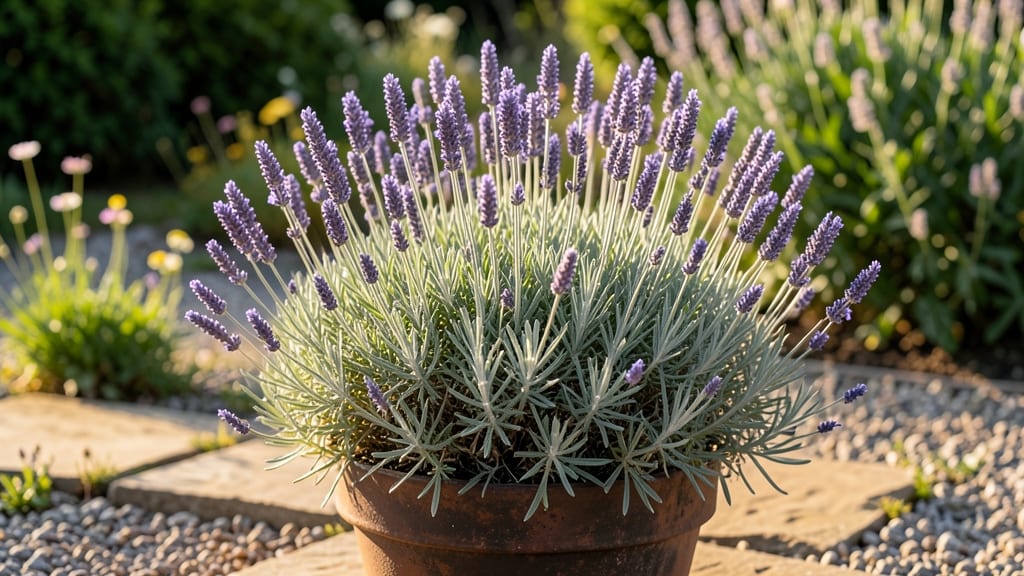
The lavender watering requirements are all about drought tolerance and avoiding soggy roots—most gardeners drown these hardy plants without realizing it.
Overwatering lavender is the #1 mistake that kills these fragrant plants—yet most gardeners don’t know the exact soil moisture triggers that keep lavender thriving in drought conditions.
Think of lavender as a Mediterranean native: it craves dry soil and full sun, not the damp, rich conditions that work for other herbs. A deep soak once every 1-2 weeks in spring and summer is all it needs, while winter slows watering to once a month.
In this guide, you’ll learn how to check soil moisture, spot the signs of over- or underwatering, and adjust your schedule by season—so your 🌿 lavender stays lush, fragrant, and alive for years.


Lavender watering schedule by season: how often and how much
Lavender thrives on drought conditions—not too much water, not too little. The key is understanding seasonal moisture triggers that match its natural Mediterranean roots. Unlike thirsty annuals, lavender hates soggy soil, which leads to root rot and fungal diseases.
My science-backed approach focuses on deep, infrequent watering while respecting each season's unique demands.
Start by testing your lavender's soil moisture with your finger. Stick it 2-3 inches deep—if it feels dry, it's time to water. If damp, wait. This simple check prevents overwatering mistakes that kill 80% of new lavender plants.
The root zone must dry between waterings, even in summer's heat. Let's break down the seasonal watering schedule that keeps your lavender lush and fragrant year-round.
| Season | Watering Frequency | Water Depth | Best Time | Soil Check |
|---|---|---|---|---|
| Spring | Every 1-2 weeks | 6-8 inches deep | Morning (6-9 AM) | 2-3" dry |
| Summer | Every 2-3 weeks | 8-10 inches deep | Early morning | 3-4" dry |
| Fall | Every 3-4 weeks | 4-6 inches deep | Late morning | 2" dry |
| Winter | Monthly (if no rain) | 2-3 inches deep | Avoid watering | Let soil freeze |
In spring, lavender wakes up from dormancy, so I water every 1-2 weeks to encourage new growth. The goal is to soak the soil 6-8 inches deep—this mimics natural rainfall patterns in its native habitat.
Water in the early morning to reduce evaporation and fungal risks. If your lavender is in containers, it may need watering every 5-7 days because pots dry out faster.
Summer is when most gardeners overwater lavender out of concern for drought. But lavender's deep roots can handle 2-3 weeks between waterings once established. I water every 2-3 weeks to 8-10 inches deep, focusing on the root zone.
If you notice yellowing leaves, it's often a sign of overwatering, not underwatering. Let the soil dry completely between sessions—this is non-negotiable for drought-resistant lavender.
As temperatures drop in fall, lavender enters dormancy. I reduce watering to every 3-4 weeks and only 4-6 inches deep. This prevents root rot while still keeping the plant hydrated enough to survive winter.
If your region gets frequent rain, you might not need to water at all. Always check the soil moisture before watering—damp soil in fall can be deadly.
Winter is the easiest season for lavender care. Most varieties need almost no water—only monthly waterings if there's no rain. I avoid watering entirely if the ground is frozen, as wet soil can freeze and damage roots.
The natural snow cover provides just enough moisture. If you must water, do it sparingly and only 2-3 inches deep to protect the plant's dormant state.
One critical mistake I see often is watering lavender at night. This creates a humid environment that encourages fungal diseases like powdery mildew. Always water in the morning so foliage has 6-8 hours to dry completely.
Another tip: use a soaker hose or drip irrigation to deliver water directly to the roots, avoiding wet leaves that trap moisture.
For container-grown lavender, the rules change slightly. Pots dry out 2-3 times faster than garden beds, so I water every 5-7 days in summer and every 10-14 days in spring/fall.
Always check the soil moisture—if the top 1 inch is dry, it's time. Use terracotta pots for better drainage, and never let lavender sit in standing water.
Pro tip: Mulch around lavender with gravel or pebbles (not organic mulch) to reduce evaporation and keep roots cool. This doubles water retention in the root
Signs of overwatering vs. underwatering lavender (with fixes)
Lavender thrives on neglect but despises soggy soil—its woody stems and silver foliage are nature's warning system for watering mistakes. Overwatering causes mushy roots and gray mold, while underwatering leads to crispy leaves and stunted growth.
Let's decode these visual cues so you can rescue your lavender before it's too late.
First, check the soil moisture by sticking your finger 1-2 inches deep. If it feels damp, hold off on watering—lavender roots need air to breathe. The key is deep but infrequent watering, not frequent light sprinkles.
Think of lavender as a desert plant with Mediterranean roots—it's built for drought, not soggy conditions.
Overwatering Lavender: Red Flags & Fixes
Signs:
- Yellowing leaves
- Mushy stems
- Gray mold on soil
- Root rot (black, smelly roots)
Fixes:
- Stop watering immediately
- Improve drainage with gravel/sand
- Repot in well-draining mix
- Prune moldy stems
Underwatering Lavender: Red Flags & Fixes
Signs:
- Crispy leaf edges
- Wilting stems
- Dry, brittle foliage
- Slow growth
Fixes:
- Water deeply (1-2 inches)
- Morning watering only
- Mulch with gravel
- Check soil before watering
For overwatered lavender, the first step is always stopping water immediately. Let the soil dry completely between waterings—this might mean waiting 2-3 weeks in summer heat. If you see gray mold (botrytis), remove affected stems and improve airflow around the plant by spacing them 12-24 inches apart.
When underwatering strikes, lavender shows its resilience by drooping dramatically but recovers quickly with proper care. Water deeply in the morning to reduce evaporation, and avoid wetting the foliage to prevent fungal issues. A gravel mulch around the base helps retain moisture while improving drainage—lavender's perfect balance.
Remember, lavender's silver leaves are its armor against harsh conditions. If you see them turning brown at the edges, it's a cry for help—either too much sun combined with underwatering or fluoride buildup from tap water. Switch to rainwater or distilled water if your local water has high fluoride levels.
Pro tip: Container-grown lavender needs more frequent watering than in-ground plants because pots dry out faster. Check the soil daily in extreme heat and never let it sit in saucers of water.
Your lavender will reward you with vibrant purple blooms and that signature calming fragrance when you master its watering needs. 🌿