
Watering
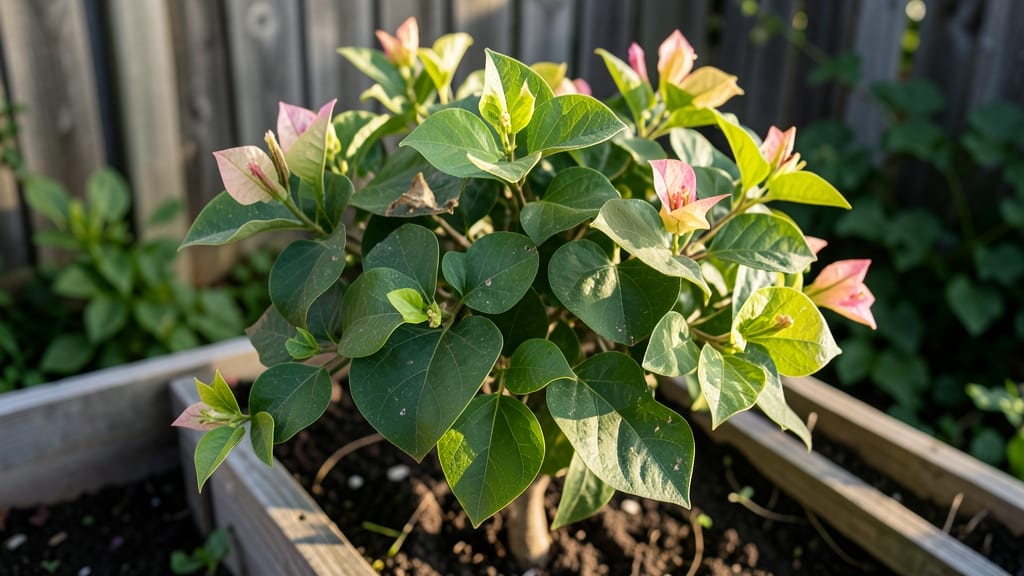
Struggling to keep your bougainvillea thriving with the right watering routine? Overwatering or underwatering can kill this stunning drought-resistant plant—but getting it right unlocks vibrant blooms year-round. The key lies in understanding its natural drought tolerance while avoiding common mistakes that leave plants wilted or root-bound.
In this guide, I’ll break down the ideal watering schedule by season, from deep soaks in summer to minimal water in winter dormancy. You’ll learn how to read your bougainvillea’s soil, spot signs of stress, and adjust for containers or in-ground planting—so you never guess again.
Whether you’re a first-time grower or a seasoned gardener, these practical tips will help you water like a pro and keep your 🌸 thriving with minimal effort.


Bougainvillea watering schedule by season: drought-resistant care guide
Mastering your bougainvillea watering schedule is the secret to those stunning, vibrant blooms that make this plant a garden star. As a drought-resistant shrub, bougainvillea thrives on consistency—too much water and roots rot, too little and buds dry up. The key? Understanding how seasonal changes affect your plant's needs.
I’ve learned through years of growing bougainvilleas that their water needs shift dramatically with temperature and humidity. In my USDA Zone 6a garden, summer watering looks nothing like winter care. Let’s break it down so you can keep your bougainvillea happy year-round without guesswork.
| Season | Frequency | Depth | Soil Check | Notes |
|---|---|---|---|---|
| Spring | Weekly | 6-8 inches | Top 2 inches dry | Encourage root growth before blooming |
| Summer | Every 5-7 days | 8-10 inches | Top 3 inches dry | Daily in extreme heat (100°F+) |
| Fall | Bi-weekly | 4-6 inches | Top 1 inch dry | Reduce as temps drop below 70°F |
| Winter | Monthly | 2-3 inches | Top 3 inches dry | Dormant period; minimal water |
Let’s start with spring watering, when your bougainvillea wakes up from dormancy. This is when you’ll see new growth—those vibrant green leaves and buds forming. Water deeply once a week, ensuring moisture reaches 6-8 inches down.
I check soil moisture by sticking my finger 2 inches deep; if it’s dry, it’s time to water.
During summer months, your bougainvillea’s water needs skyrocket. The key here is deep, infrequent watering—not light sprinkles. Aim for 8-10 inches deep every 5-7 days.
In my Zone 6a garden, I’ve had to water daily during heatwaves (over 100°F), but always in the early morning to prevent fungal issues.
As fall arrives, I gradually reduce watering to bi-weekly. The cooler temps mean your bougainvillea absorbs moisture more slowly. Watch for yellowing leaves—a sign of overwatering—as the soil stays damp longer. A quick soil check (top 1 inch) tells me when to hold off.
Winter is all about minimal watering. Your bougainvillea enters dormancy, and overwatering is the biggest mistake I see. I water monthly, just enough to keep the roots from drying out completely.
If you’re in a cooler climate (like my Zone 6a), you might even skip winter watering entirely if the ground stays frozen.
One pro tip I’ve learned: mulching makes a huge difference. A 2-3 inch layer of organic mulch (like shredded bark) helps retain moisture in summer and insulates roots in winter. It’s a game-changer for container-grown bougainvilleas, which dry out faster.
Remember, bougainvilleas are thirsty drinkers but hate soggy feet. Always water at the base of the plant, not the leaves, to avoid fungal diseases. And if you’re unsure? Less is more—you can always water again, but you can’t undo root rot.
With this seasonal watering guide, your bougainvillea will reward you with non-stop blooms from spring through fall. The secret? Pay attention to your plant’s signals and adjust as the seasons change. Happy growing! 🌸
Signs your bougainvillea is overwatered or underwatered (with fixes)
Bougainvilleas are famously drought-tolerant, but even these hardy plants suffer when watering goes wrong. Yellowing leaves, mushy stems, or drooping foliage often signal water stress—but knowing the difference between overwatering and underwatering is key. Let’s decode the visual clues your plant is screaming at you.
First, check the soil moisture. Stick your finger 2-3 inches deep—if it’s soggy, you’re overwatering. If dry as a bone, it’s time for a deep drink.
Bougainvilleas hate wet feet, so poor drainage is their #1 enemy. Root rot sets in fast, turning leaves yellow and stems mushy within days.
Overwatered bougainvilleas often show edema—those ugly, swollen bumps on leaves from excess moisture. Meanwhile, underwatered plants develop crispy, brown leaf edges and may drop buds entirely. Both extremes stress the plant, but the fixes couldn’t be more different.
How Much Water Does a Bougainvillea Need?
- Deep watering encourages root growth and drought tolerance.
- Morning watering reduces fungal risks and evaporation.
- Well-draining soil prevents root rot in USDA Zones 9-11.
- Bi-weekly schedule in spring/fall matches natural rainfall.
- Overwatering causes root rot and yellow leaves.
- Poor drainage traps moisture, suffocating roots.
- Night watering promotes fungal diseases like powdery mildew.
- Inconsistent watering leads to bud drop and stunted growth.
To fix overwatered bougainvilleas, let the soil dry completely between waterings. Repot in cactus mix if your current soil holds too much moisture, and trim any mushy stems with sterilized shears.
For underwatered plants, give them a deep soak until water runs out the drainage holes, then mulch heavily to retain moisture.
Pro tip: Adjust your schedule by season. In summer heat, water every 5-7 days; in winter dormancy, cut back to monthly. Always water at the base of the plant, not the leaves, to avoid fungal issues.
Consistency is your best friend—bougainvilleas thrive on routine, not guesswork.
Watch for new growth as your fix works. Healthy bougainvilleas should bounce back with glossy green leaves and vibrant bracts within 2-3 weeks. If problems persist, check your potting mix or container drainage—sometimes the issue isn’t water at all, but where it’s going.