
How To
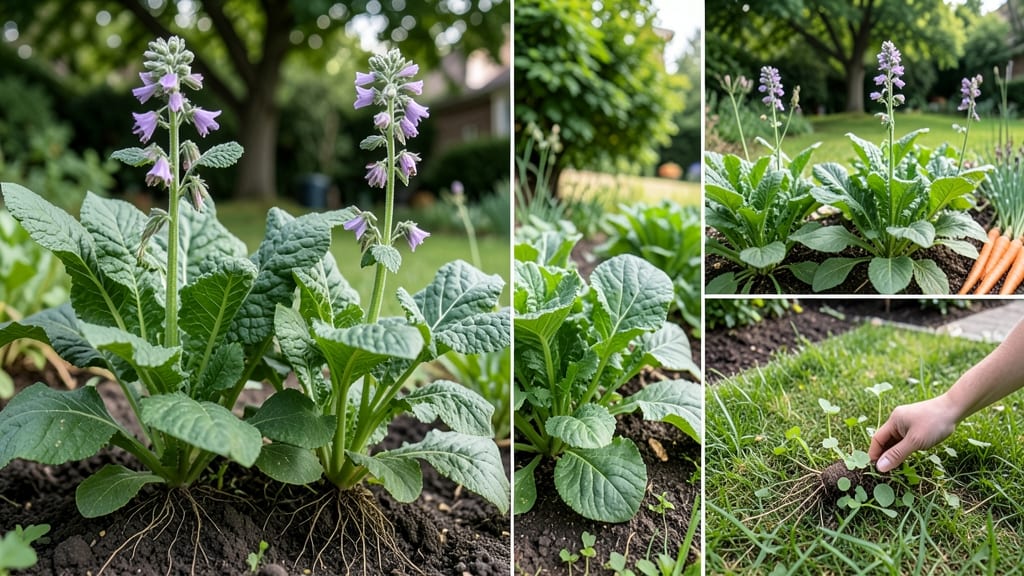
Comfrey is not a weed but a highly useful perennial plant prized for its medicinal properties, soil-enhancing roots, and edible leaves, though its aggressive growth can make it invasive in some gardens if unmanaged.
Comfrey earns its reputation as a garden powerhouse thanks to its deep roots that break up compacted soil and pull nutrients like potassium and nitrogen to the surface. 🌱 Unlike traditional weeds, comfrey actively improves soil health while attracting pollinators with its long-lasting blooms.
I've seen it transform depleted garden beds into fertile ground within a single growing season, though its rapid spread means you'll need to contain it strategically.
What sets comfrey apart is its dual nature—valuable yet potentially overbearing. Its leaves contain allantoin, a compound used in skin care products, while its roots make excellent compost tea. However, this same vigor means it can outcompete other plants if left unchecked.
The key is managing its growth through techniques like root pruning or growing it in dedicated patches rather than letting it wander freely.
💡 In This Article
- Why Comfrey Thrives as a Beneficial Plant
- Managing Comfrey Growth in Your Garden
Why comfrey thrives as a beneficial plant
Comfrey's botanical superpowers start with its deep, fibrous root system that can extend 4-6 feet underground—far deeper than most garden plants.
This root structure doesn't just anchor the plant; it acts like a natural plow, breaking up compacted soil while accumulating nutrients like potassium, calcium, and nitrogen in its leaves. 🌱 What makes this unique is how comfrey stores these nutrients in its leaves rather than using them immediately, creating what's called a "dynamic accumulator" effect.
The plant's growth habit is equally impressive. A single comfrey plant can produce 20-30 pounds of leaf biomass annually, with each leaf containing up to 2% allantoin—a compound that promotes cell regeneration and is why comfrey has been used for centuries in poultices for wounds and skin irritations.
The flowers, which bloom from late spring to fall, provide nectar for bees and other pollinators, making it an excellent companion plant for vegetable gardens.
Ecologically, comfrey challenges traditional weed definitions. Most weeds thrive by depleting resources, but comfrey actively enriches its environment. Its deep roots bring subsoil nutrients to the surface, while its leaf litter decomposes into nutrient-rich mulch.
This is why herbalists and permaculturists often call it a "soil builder" rather than a weed—it's performing an essential ecosystem service that many gardeners would pay for with synthetic fertilizers.
Historically, comfrey's value extends beyond gardens. Medieval European farmers grew it specifically to feed livestock because its high protein content (up to 18% crude protein in dried leaves) improved animal health.
The plant's ability to thrive in poor soils made it invaluable during famines, earning it the nickname "knitbone" for its use in treating broken bones when combined with other herbs. This multifunctional utility is what truly separates comfrey from most plants we'd classify as weeds.
What most people don't realize is how comfrey's growth strategy contrasts with traditional weeds. While weeds like dandelions spread primarily through seeds and rely on rapid, shallow growth, comfrey establishes itself through vegetative reproduction—its roots can produce new shoots even when cut back.
This persistence is both its greatest asset for soil improvement and its potential liability in garden management, requiring thoughtful cultivation techniques to prevent it from becoming overbearing.
The plant's leaves also contain high levels of minerals like magnesium and iron, which is why comfrey tea made from the leaves has been used as a fertilizer and animal feed supplement.
When brewed at a 1:5 ratio (leaves to water) and steeped for 24 hours, the resulting liquid contains concentrated nutrients that can be diluted for foliar feeding or soil applications. This nutrient cycling ability is what makes comfrey such a valuable component in regenerative gardening systems.