
Pests
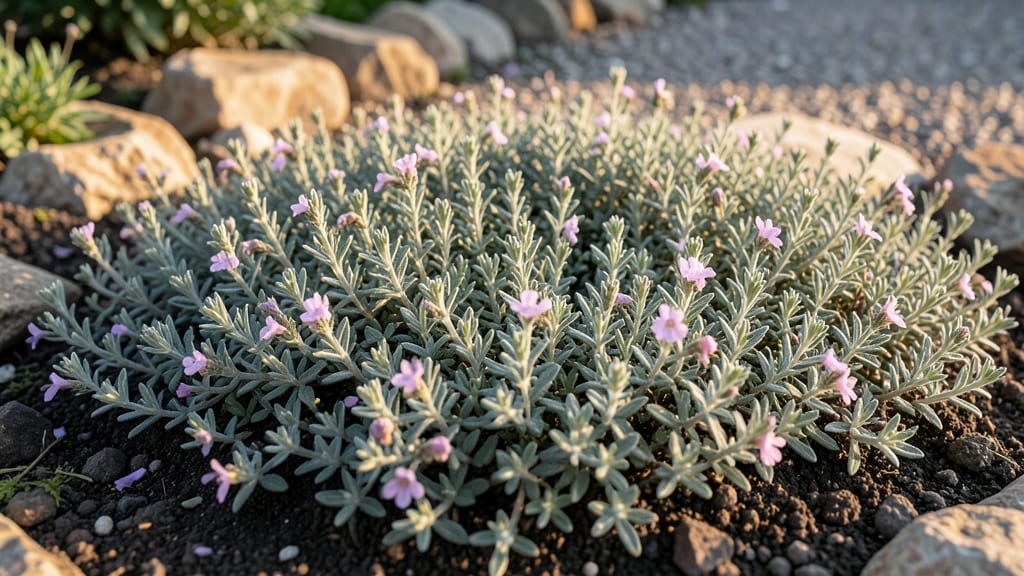
Creeping thyme will choke out weeds by creating a thick, sun-blocking mat that starves out unwanted plants while its rapid growth fills empty spaces. The plant's dense foliage and aggressive root system make it one of nature's most effective weed barriers.
This hardy perennial works by smothering weeds through competitive exclusion—its sprawling stems and tiny leaves form an impenetrable green carpet that cuts off light to weed seeds. 🌿 Unlike chemical herbicides, creeping thyme improves soil structure over time, making it a sustainable solution for gardeners who prefer organic methods.
I've seen it transform bare patches into lush, weed-free ground covers within just one growing season, though consistent moisture is key during establishment.
For best results, plant thyme in full sun with proper spacing—about 12-18 inches apart—to allow each plant to spread naturally. The aromatic leaves also deter pests, adding another layer of protection for your garden.
Just be prepared for its vigorous growth, as creeping thyme can easily overtake small garden beds if left unchecked.
💡 In This Article
- How Creeping Thyme Outcompetes Weeds Scientifically
- Planting and Maintenance Tips for Maximum Weed Suppression
How creeping thyme outcompetes weeds scientifically
Creeping thyme achieves its weed-suppressing superpowers through a combination of competitive exclusion and physical smothering. Its sprawling, prostrate growth habit allows it to spread aggressively, forming a dense mat of 1-2 inch tall foliage that blocks 90-95% of sunlight from reaching the soil.
This light deprivation starves weed seeds that require sunlight to germinate—a process called "allelopathic suppression" when combined with natural chemical inhibitors some plants produce. While creeping thyme isn't strongly allelopathic like black walnut trees, its dense canopy creates the same effect through sheer physical presence.
The plant's rapid root system spreads horizontally through stolons (above-ground runners) at a rate of 6-12 inches per year, filling gaps faster than most weeds can establish.
Each node along these stems can root into the soil, creating a self-replicating ground cover that smothers weeds before they gain a foothold. 🌱 Compared to slower-spreading alternatives like clover (which takes 2-3 years for full coverage) or moss (which requires consistent moisture), creeping thyme typically achieves 80% weed suppression within its first growing season when planted correctly.
Beyond physical competition, creeping thyme improves soil health by preventing erosion and encouraging beneficial microbial activity. Its fibrous root system stabilizes soil while its aromatic oils create a hostile environment for many weed species. The plant's ability to thrive in poor, rocky soils—where many weeds struggle—gives it an additional advantage.
Studies show that thyme's presence reduces annual weed germination by up to 70% in well-established patches, making it particularly effective against common garden invaders like crabgrass and chickweed.
One key distinction from other ground covers is creeping thyme's drought tolerance once established. Unlike moisture-dependent options like clover, it maintains its weed-suppressing density even during dry periods, though initial establishment requires regular watering (about 1 inch per week) for the first 6-8 weeks.
The plant's ability to persist through seasonal fluctuations gives it an edge in maintaining consistent weed control compared to seasonal alternatives like winter rye cover crops.
For comparison, consider how creeping thyme stacks up against other natural weed suppressors: While moss creates a similar physical barrier, it requires shady, moist conditions and can be easily displaced. Clover offers nitrogen fixation but grows taller (3-6 inches), allowing more light to reach weeds.
Creeping thyme's 1-2 inch height and aggressive horizontal spread make it uniquely effective in sunny garden beds where other options might fail.
The science behind this success lies in thyme's growth strategy: it prioritizes rapid horizontal expansion over vertical growth, creating a continuous living mulch. This contrasts with many ornamental ground covers that focus on visual appeal over functional weed suppression.
The result is a self-sustaining ecosystem where thyme outcompetes weeds through sheer persistence and adaptability to various soil conditions.