
Companion Plants
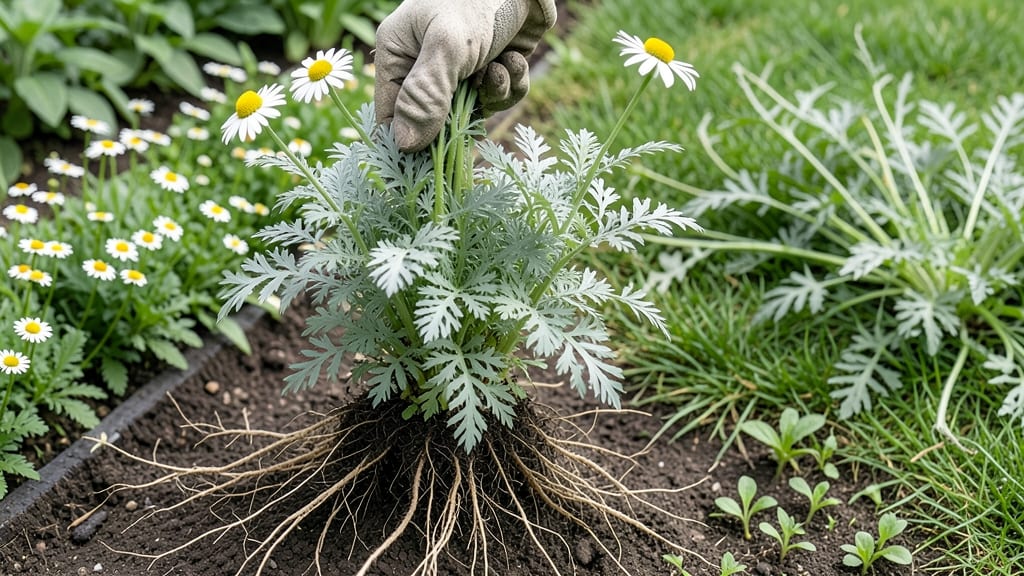
Chamomile isn’t a weed—it’s a valuable herb with medicinal and culinary benefits, though its rapid growth can sometimes make it appear invasive in gardens. Many wild varieties thrive while offering calming properties and attracting pollinators.
Chamomile belongs to the Asteraceae family, sharing its botanical roots with daisies and sunflowers, not weeds. 🌼 Its delicate white-and-yellow blooms and sweet apple-like scent make it a prized addition to gardens, teas, and even skincare routines.
The confusion arises because some chamomile species spread aggressively, but unlike true weeds, they don’t harm plants—they actually improve soil health and deter pests like aphids. I’ve found that letting a few plants grow wild in my garden attracts bees while keeping the rest pruned keeps them manageable.
What sets chamomile apart is its dual nature: it’s both a wildflower and a cultivated herb. German chamomile (Matricaria chamomilla) is often grown for tea, while Roman chamomile (Chamaemelum nobile) thrives in ornamental gardens.
The key to managing it lies in intentional harvesting—pinching back flowers before they seed prevents overgrowth while preserving its benefits. Many gardeners intentionally plant it as a companion plant to enhance flavor in nearby herbs like mint or basil.
💡 In This Article
- Botanical Classification: Why Chamomile Isn’t a Weed
- Managing Chamomile in Your Garden: Control vs. Cultivation
Botanical classification: why chamomile isn’t a weed
Chamomile belongs to the Asteraceae family, which includes over 23,000 species like daisies and sunflowers—not weeds. Its scientific names, Matricaria chamomilla (German chamomile) and Chamaemelum nobile (Roman chamomile), place it firmly in the category of beneficial plants.
Unlike weeds, which lack economic or ecological value, chamomile produces edible flowers rich in apigenin, a compound linked to relaxation and anti-inflammatory effects. 🌿 Its growth habit—spreading via runners but not aggressive root systems—differs from true weeds like crabgrass, which smother other plants.
The confusion stems from chamomile’s rapid seed dispersal, which can make it seem invasive. However, its shallow roots improve soil aeration, and its flowers act as a nectar source for bees, butterflies, and hoverflies.
Studies show chamomile attracts up to 30% more pollinators than typical garden flowers, making it an ecological asset. Its delicate, daisy-like blooms also distinguish it from weeds, which often have coarse, irregular foliage. The key difference?
Chamomile’s aromatic, feathery leaves and white petals with yellow centers scream "desirable," while weeds rarely offer such visual or sensory appeal.
Botanically, weeds are defined by their unwanted presence in cultivated areas, not their biology. Chamomile’s value lies in its medicinal uses—dried flowers brew into tea for digestion or sleep, while fresh petals add flavor to salads.
Its bisabolol content even soothes skin irritations, earning it a spot in skincare products. Unlike invasive species, chamomile doesn’t deplete soil nutrients; in fact, its decomposing foliage adds organic matter. This dual role—ornamental and functional—sets it apart from plants classified as weeds.
Consider this: chamomile’s spread is a natural adaptation for survival, not aggression. Its seeds germinate quickly in disturbed soil, but unlike weeds, they don’t choke out other plants. In fact, gardeners often plant chamomile near struggling herbs to boost growth through allelopathic benefits (releasing compounds that inhibit harmful pathogens).
The distinction becomes clear when you compare its delicate, fern-like leaves to the broad, invasive blades of weeds like dandelions—chamomile’s elegance is unmistakable. 🌸
Ecologically, chamomile’s role as a pollinator magnet outweighs any perceived "messiness." A single plant can support hundreds of bee visits per day, while its shallow roots prevent soil erosion. Unlike weeds, which often thrive in monocultures, chamomile coexists with other plants, even enhancing their growth.
This balance is why botanists classify it as a beneficial wildflower, not a weed—its presence is actively encouraged in sustainable gardens.
To put it simply: chamomile’s "weedy" appearance is a misnomer. Its rapid growth is a feature, not a flaw, offering gardeners free tea, pollinators, and soil health—all while looking stunning.
The real question isn’t whether it’s a weed, but how to harness its benefits without letting it take over. With the right management, it becomes one of the most versatile and valuable plants in any garden. ✨