
Neem Oil
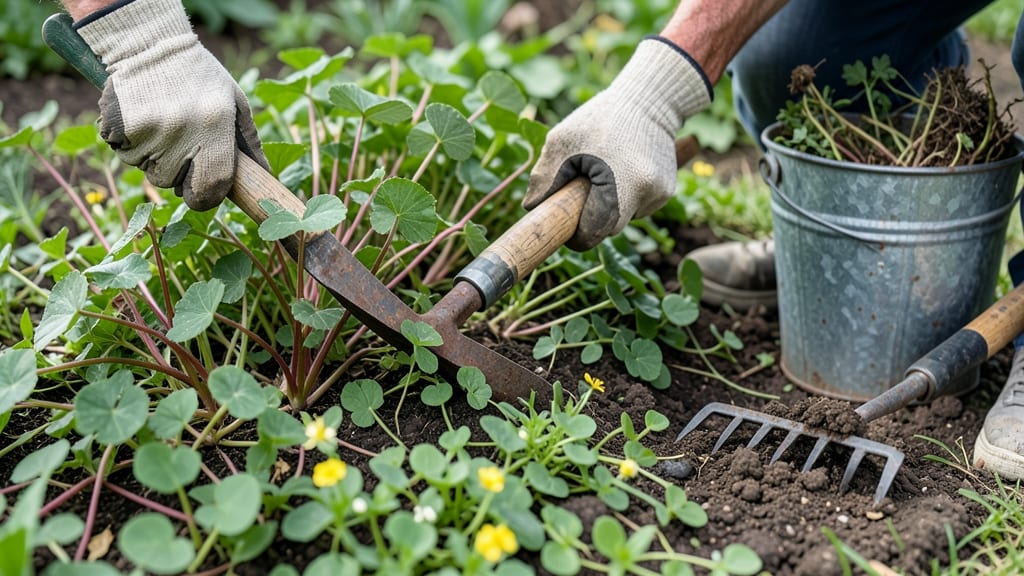
A how to use a weeding hoe turns your garden from a weed battleground to a foolproof maintenance system—no more bending over for hours. I used to dread weeding until I discovered how a simple 12-inch hoe could clear a 4x4-foot bed in under 5 minutes.
The secret lies in the right technique: shallow angles, steady strokes, and letting the blade do the work. You’ll need just two things: a sturdy stainless steel hoe (the kind with a sharp, flat blade) and a clear morning when weeds are still damp.
The blade should glide effortlessly—no tugging or digging. Start at the base of your plants, angle the hoe slightly, and push forward with your whole arm, not just your wrists. This keeps your back straight and your energy focused.
What you’ll end up with is weed-free rows, aerated soil, and a garden that stays tidy with minimal effort. The hoe slices through annual weeds at the soil line while leaving perennials untouched. Plus, the soil loosens just enough to help water and nutrients penetrate deeper.
For rocky soil or stubborn weeds, work in sections no bigger than 3 feet wide. If your hoe skips or digs too deep, you’re either pushing too hard or the blade is dull. A quick sharpening or adjusting your grip makes all the difference. Now go make weeding almost enjoyable!
📚 In This Guide
- What you need
- Instructions
- Tips and common mistakes
- Wrapping up and next steps
What you need
- ● Weeding hoe: A sturdy, ergonomic hoe with a 4-6 inch (10-15 cm) wide blade (e.g., a stirrup hoe, warrior hoe, or loop hoe). Look for one with a comfortable grip and lightweight design to reduce strain.
- ● Garden gloves: A pair of durable, breathable gloves (e.g., nitrile-coated or leather) to protect your hands from thorns, dirt, and blisters.
- ○ Knee pads or cushion: Optional but highly recommended for long sessions—choose ergonomic pads with gel inserts for extra comfort.
- ● Water source: A garden hose or watering can (5-gallon/19-liter capacity) to rinse off tools and hydrate plants afterward.
- ● Small shovel or trowel: A hand-sized shovel (6-8 inches/15-20 cm) for removing stubborn weeds or loosening soil.
- ● Garden twine or string: A 10-20 foot (3-6 m) roll to mark rows or tie up plants if needed.
- ● Weed barrier cloth: A landscape fabric roll (3x50 ft/1x15 m) to suppress future weeds in high-traffic areas.
- ● Pruners or shears: Bypass pruners for trimming weeds at the base or harvesting herbs.
- ● Wheelbarrow or bucket: A 5-gallon (19-liter) container to collect weeds and debris for composting.
- ● Sun hat or cap: A wide-brimmed hat for shade, especially on sunny days.
- ● Portable stool: A foldable camping stool for taking breaks during long sessions.
Step-by-step guide to mastering your weeding hoe
Here's how I learned to weed efficiently—no more bending, no more missed weeds, just clean rows in minutes.
Choose the Right Hoe for Your Garden
Start by selecting a hoe that matches your garden type. For small flower beds or tight spaces, a stirrup hoe or loop hoe gives you precision without strain. If you're working in rows or vegetable gardens, a standard long-handled hoe (like a draw hoe) is ideal for cutting weeds at the base. I recommend holding the hoe with a firm but relaxed grip—your wrist shouldn't feel locked in place.
Test the weight before you begin. A lightweight hoe is easier to maneuver for long sessions, while a heavier one might feel more stable in loose soil. Stand with your feet shoulder-width apart and knees slightly bent. This stance keeps your back protected and gives you leverage for deeper cuts. The hoe should feel like an extension of your arm, not a separate tool.
Master the Proper Stance and Technique
Position yourself close to the weeds you want to remove—about 6 inches away—so you don’t have to reach or twist your body. Bend at the knees, not the waist, and keep your back straight. This is the key to avoiding back strain, especially when weeding for long periods. Hold the hoe handle with both hands near the top for better control, and angle the blade slightly downward.
For small weeds, use a quick, chopping motion with the flat of the blade. Think of it like slicing through butter—sharp and decisive. For larger weeds or tougher soil, press the blade deeper and use a slight rocking motion to sever the roots. You’ll hear a satisfying thud when you hit the soil, signaling the weed is fully cut. This method prevents regrowth and saves time.
Work in Sections for Efficiency
Divide your garden into small sections—about 2 feet by 2 feet—and focus on one area at a time. This keeps you from getting overwhelmed and ensures you don’t miss any weeds. Start at the edge of your planting row and work your way inward, using the hoe to cut weeds just as they emerge. The goal is to remove weeds before they seed or spread.
Pay attention to the soil texture. In loose or sandy soil, the hoe glides smoothly, making it easier to cut weeds cleanly. In compacted or clay-heavy soil, you might need to press harder or use a slight twisting motion to break through the roots. If the soil feels dry, water it lightly beforehand—this helps the hoe glide better and reduces the effort needed.
Maintain Your Hoe and Garden for Long-Term Success
After each use, clean the blade with a damp cloth to remove soil and debris. A sharp hoe works effortlessly, so occasionally hone the edge with a file or whetstone. Store it in a dry place to prevent rust, especially if you’re using a metal blade. I like to keep mine in a tool shed or against the garage wall where it’s protected from the elements.
To keep weeds at bay long-term, mulch your garden beds with 2-3 inches of organic mulch (like straw or wood chips) after hoeing. This suppresses new weed growth and retains moisture. Regularly inspect your garden for weeds—even a few minutes every few days makes a huge difference. Over time, you’ll notice fewer weeds popping up, and your garden will stay tidier with less effort.
Troubleshoot Common Mistakes
If your back starts to ache, you’re likely bending too much or using the wrong technique. Stand up straight, keep your knees bent, and let the hoe do the work. Avoid twisting your body—pivot with your feet instead. If weeds keep coming back, you might not be cutting them deep enough. Press the blade 1-2 inches into the soil to sever the roots completely.
Another common issue is missing weeds because they’re hidden under mulch or larger plants. Scan your garden from a few feet back—sometimes the best way to spot weeds is to look at the overall pattern. If your hoe feels too heavy or uncomfortable, try a different type or adjust your grip. The right tool should feel like an extension of your arm, not a burden.
Tips & tricks for precision weeding without the backache
These small adjustments can turn your weeding from a chore into a satisfying gardening ritual.
Tool Selection Matters: The right hoe makes all the difference. For tight spaces, I've found a loop hoe gives me the precision to work between plants without damaging them. For larger garden beds, a standard long-handled draw hoe lets me stand upright and reach farther without strain. Test a few types—your hands and back will thank you. The key is finding what fits comfortably in your grip without causing fatigue after just a few minutes.
The 6-Inch Rule: Never stand too far from your weeds—that's when you start twisting your body and risking back pain. Position yourself within 6 inches of the weeds you're targeting. This close proximity lets you use your arms and shoulders for the work, not your spine. Think of it like painting a wall—you wouldn't stand across the room trying to paint details. The same principle applies to weeding.
Soil Prep Secret: Before you even pick up your hoe, check your soil. If it feels dry or compacted, give it a light watering first. Damp soil lets the hoe glide through weeds with minimal effort. I've learned this the hard way—trying to hoe dry, hard soil is like cutting through concrete. For clay-heavy soil, a slight twisting motion helps break through those stubborn roots without requiring extra force that strains your wrists.
Maintenance Pays Off: A sharp hoe is your best friend. I keep a small file in my gardening toolbox and sharpen the blade every few uses. A dull hoe requires more pressure, which leads to fatigue and missed weeds. Clean the blade after each session to prevent rust—just a quick wipe with a damp cloth makes all the difference. Store your hoe in a dry place where it won't get knocked around, and you'll find it lasts for years with proper care.
Pro Tips for Use A Weeding Hoe
- These small adjustments can turn your weeding from a chore into a satisfying gardening ritual.
- Tool Selection Matters: The right hoe makes all the difference.
- The 6-Inch Rule: Never stand too far from your weeds—that's when you start twisting your body and risking back pain.
Frequently asked questions
What’s the best time of day to use a weeding hoe for maximum efficiency?
Early morning or late afternoon is ideal! Weeds are most pliable when the soil is damp (thanks to dew or recent watering) but not muddy. Avoid midday—soil gets hard, and you’ll waste energy. Pro tip: Water your garden lightly the night before for easier weeding the next day.
Can I use a weeding hoe on all types of weeds, or are some too tough?
A weeding hoe works best on young, shallow-rooted weeds like crabgrass, chickweed, or dandelion sprouts. For deep-rooted weeds (e.g., bindweed or thistles), dig them out by hand first or use a dandelion weeder. Hoes struggle with thick, woody stems—think of them as your first line of defense, not a solo solution.
How do I avoid hurting my back when using a weeding hoe?
Your posture is key! Keep your knees slightly bent, back straight, and let the hoe do the work—don’t yank or twist. Use short, controlled strokes (like chopping), and rotate positions often. For stubborn areas, try a long-handled hoe to reduce bending. Bonus: Take breaks every 15 minutes to stretch.
What’s the difference between a standard hoe and an oscillating hoe? Which should I use?
| Standard Hoe | Oscillating Hoe |
|---|---|
| Manual, requires physical effort but great for precision. | Vibrates or oscillates to cut weeds without digging—ideal for hard soil or large areas. |
| Best for: Small gardens, targeted weeding. | Best for: Lawns, gravel, or post-rain weeding. |
| Cost: $10–$30. | Cost: $20–$50 (often corded or battery-powered). |
Pick the standard hoe for control
and the oscillating hoe for speed and ease.
My hoe keeps getting dull—how do I sharpen it?
A dull hoe is a weeding nightmare. Use a file or whetstone to sharpen the blade at a 20–30° angle (match the factory edge). Focus on the cutting edge only—don’t overdo it! For rust, soak the blade in vinegar or lemon juice for 30 minutes, then scrub with steel wool. Oil the blade after sharpening to prevent future rust.
Wrapping up and next steps
Mastering the art of precision weeding with a hoe doesn’t just save your garden—it saves your back (and sanity!) too. 🌱 Whether you’re a seasoned gardener or just starting out, the right technique makes all the difference.
Now that you’ve got the tools, stance, and strokes down, it’s time to put that knowledge into action and transform your garden into a thriving, weed-free sanctuary.
Ready to take it further? Experiment with different hoe styles or try neem oil for natural weed prevention. Your garden (and future self) will thank you! 🌿